Luxury Gold 
OEM Golden Blister Chocolate Packaging Tray
- FinishReflective Metallic Gold
- ResinFood-Grade PET / rPET
- Cavities12 / 16 / 24 Custom
- MOQ30,000 pcs
A comprehensive engineering, sustainability, and procurement blueprint for international confectionery procurement directors. From thermoforming cavity draft dynamics to food-grade migration compliance and automated robotic de-nesting tolerances.
Precision-molded confectionery inserts optimized for gifting boxes, advent calendars, retail tinplate cans, and high-speed robotic packing.


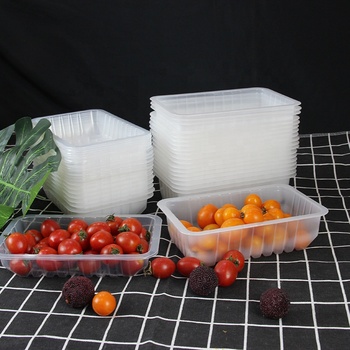
Addressing the complex engineering, cold chain, barrier chemistry, and automation variables modern confectionery brands face when sourcing vacuum formed inserts.
For artisan chocolatiers, confectionery contract packers, and multinational candy conglomerates, the blister chocolate packaging tray represents far more than an organizational separator. It serves as an active structural barrier directly defending the aesthetic and organoleptic integrity of high-cocoa confections. Unlike standard food trays, chocolate presents extreme packaging challenges: it contains sensitive poly-morph crystalline fats (primarily Form V cocoa butter), high lipid concentrations that interact with non-polar plastic polymers, and delicate surface gloss vulnerable to microscopic kinetic friction.
When chocolates shift during cross-border container freight, mechanical abrasion against the tray walls causes micro-scratching. This mechanical friction accelerates "fat bloom"—the undesirable migration and recrystallization of cocoa butter to the surface, transforming premium chocolate into an unappealing, chalky white product. At Guangzhou Gozmen Plastic Products Co., Ltd., our tool designers engineer each cavity with proprietary micro-radiused chamfers, calibrated undercut retention bumps, and tailored draft angles between 3° and 5°. This tight volumetric control restricts kinetic movement to less than 0.3mm while allowing effortless manual removal by consumers without fingertip breakage of delicate shells or ganache coatings.
Furthermore, our resin formulations ensure zero mineral oil saturated hydrocarbons (MOSH), mineral oil aromatic hydrocarbons (MOAH), or plasticizer migration into fat-rich confectionery matrices. Operating strictly in accordance with FDA 21 CFR § 177.1630 and European Regulation (EU) No 10/2011, our blister chocolate trays preserve volatile aroma compounds, preventing ambient off-flavor transfer during prolonged warehouse distribution.
The global regulatory landscape governing confectionery packaging is undergoing tectonic shifts. Brands exporting to the European Union, North America, and Australasia face aggressive plastic packaging tax schemes, including the EU Packaging and Packaging Waste Regulation (PPWR) and UK Plastic Packaging Tax. Confectionery purchasers can no longer rely on multi-layer composites or non-recyclable multi-material laminate trays.
The dominant procurement trend points towards high-purity mono-material trays—predominantly food-contact certified recycled PET (rPET) containing 30% to 100% post-consumer content, as well as ultra-thin virgin APET and homopolymer Polypropylene (PP #5). Confectionery brands are mandating comprehensive traceability back to the resin source. At Guangzhou Gozmen Plastic Products Co., Ltd., we have invested heavily in solid-state polycondensation (SSP) extrusion compatibility, allowing our thermoforming lines to form light-gauged rPET sheets without optical yellowing, carbon speck defects, or loss of mechanical impact strength in cold supply chain environments.
Confectionery manufacturing lines are rapidly transitioning away from manual packaging lines to high-speed robotic pick-and-place automation, delta-robot secondary packaging, and automated denesters running up to 120 cycles per minute. In these high-throughput environments, typical blister tray anomalies—such as edge burrs, static cling, and stacking lock-in—bring multi-million-dollar packaging lines to an immediate halt.
Modern blister chocolate packaging tray manufacturing relies on multi-station in-line thermoforming incorporating servo-driven trim presses, mechanical de-nesting lugs, and continuous food-grade anti-static topical misting. Stacked trays maintain a consistent de-nesting clearance of 0.8mm to 1.2mm, preventing vacuum locks. This allows high-speed suction grippers on robotic lines to isolate and place individual trays into gift boxes or tin containers without jamming. Guangzhou Gozmen Plastic Products Co., Ltd. continuously refines these physical dynamics through automated CNC edge-trim tooling, ensuring zero microscopic plastic dust or particulate contamination.
The confectionery category relies on immediate emotional appeal. Within the retail environment, the unboxing of a premium chocolate gift box represents an essential sensory touchpoint. The blister chocolate packaging tray acts as the physical pedestal showcasing the artisan's craft. Global brands leverage specialized surface finishing to elevate brand perception, ranging from mirror-reflective golden metallization to soft-touch velvet flocking and ultra-matte carbon black.
Vacuum metallization involves vaporizing food-grade aluminum onto specially treated PET base film, followed by food-safe golden tinted topcoats that mimic polished jewelry trays. Historically, buyers experienced delamination or metallic rub-off when exposed to the high fatty acid contents of praline fillings. Guangzhou Gozmen Plastic Products Co., Ltd. utilizes advanced surface corona pretreatment and cross-linked polymeric coatings, guaranteeing that metallic coatings will not flake, scratch, or migrate—retaining pristine, reflective brilliance throughout the product's entire 18-month commercial shelf life.
Evaluate resin performance benchmarks to determine the ideal substrate configuration for your confectionery product matrix.
| Resin Characteristic | APET (Amorphous PET) | Food-Grade rPET | PP (Polypropylene) | Flocked / Metallized Film |
|---|---|---|---|---|
| Optical Clarity | Ultra-High (> 92%) | High (85% – 90%) | Translucent to Opaque | Engineered Luxury Sheen |
| Fat / Cocoa Butter Resistance | Exceptional | Exceptional | Superior | High (Cross-Linked Topcoat) |
| Rigidity & Shape Retention | High Tensile Modulus | High Tensile Modulus | Flexible / Impact Tough | High / Reinforced Core |
| Moisture Barrier | Good | Good | Excellent | Excellent (Barrier Enhanced) |
| Recyclability Stream | RIC 1 (Universal) | RIC 1 (Circular Loop) | RIC 5 (Standard) | Specialized Processing |
| Automated De-Nesting Ease | Excellent | Excellent | Good (Lugs Required) | Excellent |
PET (including virgin APET and food-grade rPET) is universally favored for confectionery inserts requiring glass-like transparency, metallic vacuum metallization (gold/silver), high dimensional rigidity, and moderate vapor barrier performance. PP is preferred when lower density (lighter weight per tray) or microwave/heat resistance is required, though PET offers crisper structural contouring and superior luxury shelf appeal.
At Guangzhou Gozmen Plastic Products Co., Ltd., our tool designers integrate a draft angle between 3° and 5° alongside micro-radiused chamfers. This ensures snug chocolate entrapment without frictional surface abrasion or bloom caused by mechanical micro-vibrations across cross-border freight corridors.
Yes. Our metallic gold and silver blister trays utilize food-contact-approved metallized films or virgin food-grade masterbatches backed by LFGB, FDA 21 CFR § 177.1630, and EU 10/2011 compliance testing. No harmful volatile organic compounds (VOCs) or heavy metals migrate into confectionery oils or cocoa butter fat matrices.
We employ rapid CNC copper/aluminum alloy tooling and CNC resin prototyping. Rapid physical samples are delivered within 3 to 5 business days, while hardened, high-cavitation aluminum mass-production thermoforming molds are completed within 12 to 18 business days.
Absolutely. Gozmen incorporates precision de-nesting lugs, zero-burr perimeter shear cutting, and anti-static surface treatments so robotic vacuum cups can dispense individual trays without multi-feeding jams or line stoppages.

Guangzhou Gozmen Plastic Products Co., Ltd. is a specialized Chinese manufacturer of rigid food packaging and blister vacuum formed trays. Operating with 38+ modern production lines and daily output capacities surpassing 1,000,000 units, we supply top-tier confectionery producers and packaging distributors across Europe, North America, Oceania, and Southeast Asia.
Our production facilities unite in-house precision mold engineering, automated thermoforming, injection molding, and inline dust-free cleanroom packing under one roof. We maintain absolute control over resin purity, thermal shrinkage, and wall thickness uniformity—preventing cavity warping, visual hazing, or dimension discrepancies between production runs.
Examine the real production floor, precision CNC mold fabrication workshops, and export quality control units at Guangzhou Gozmen Plastic Products Co., Ltd.





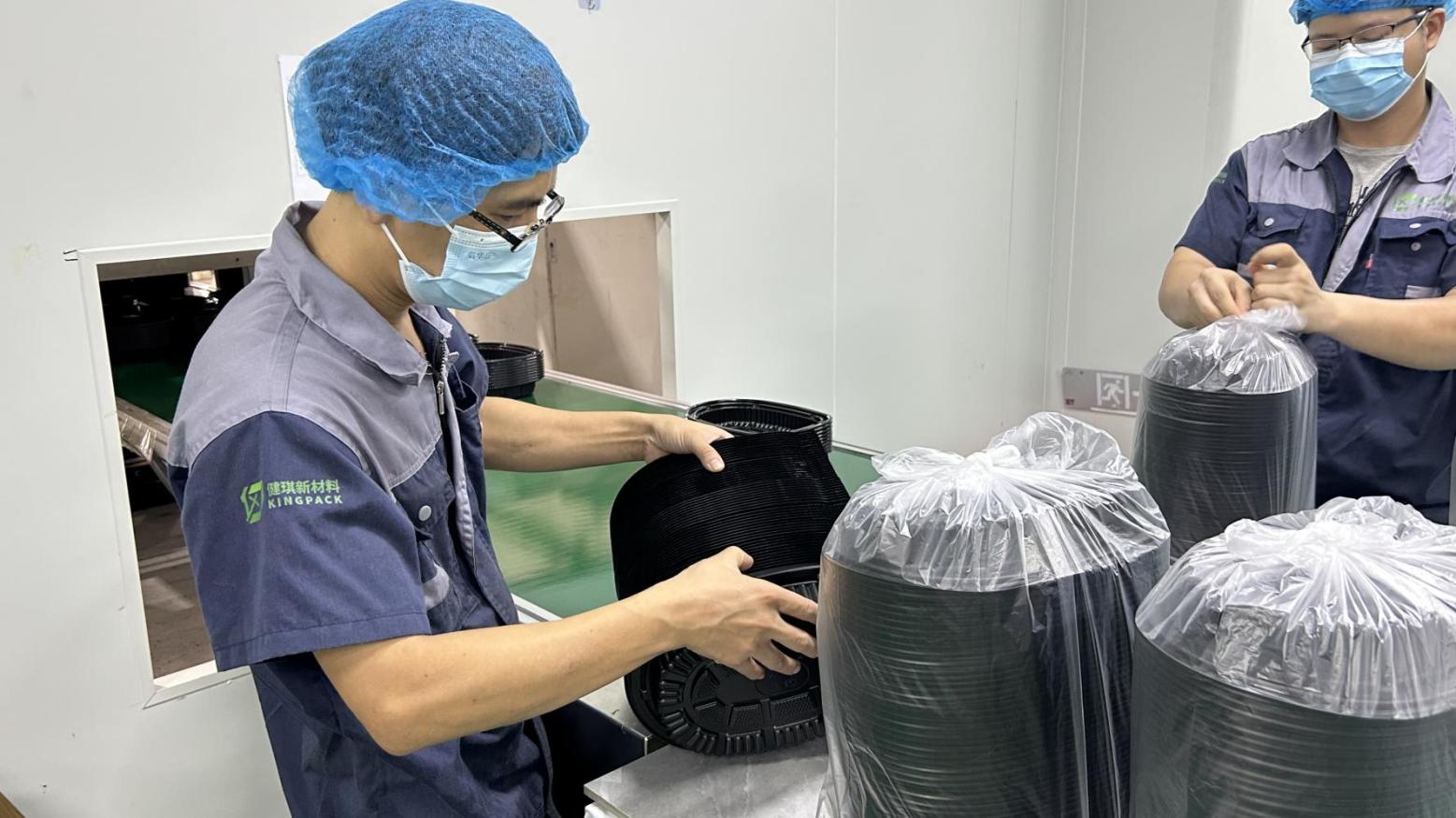

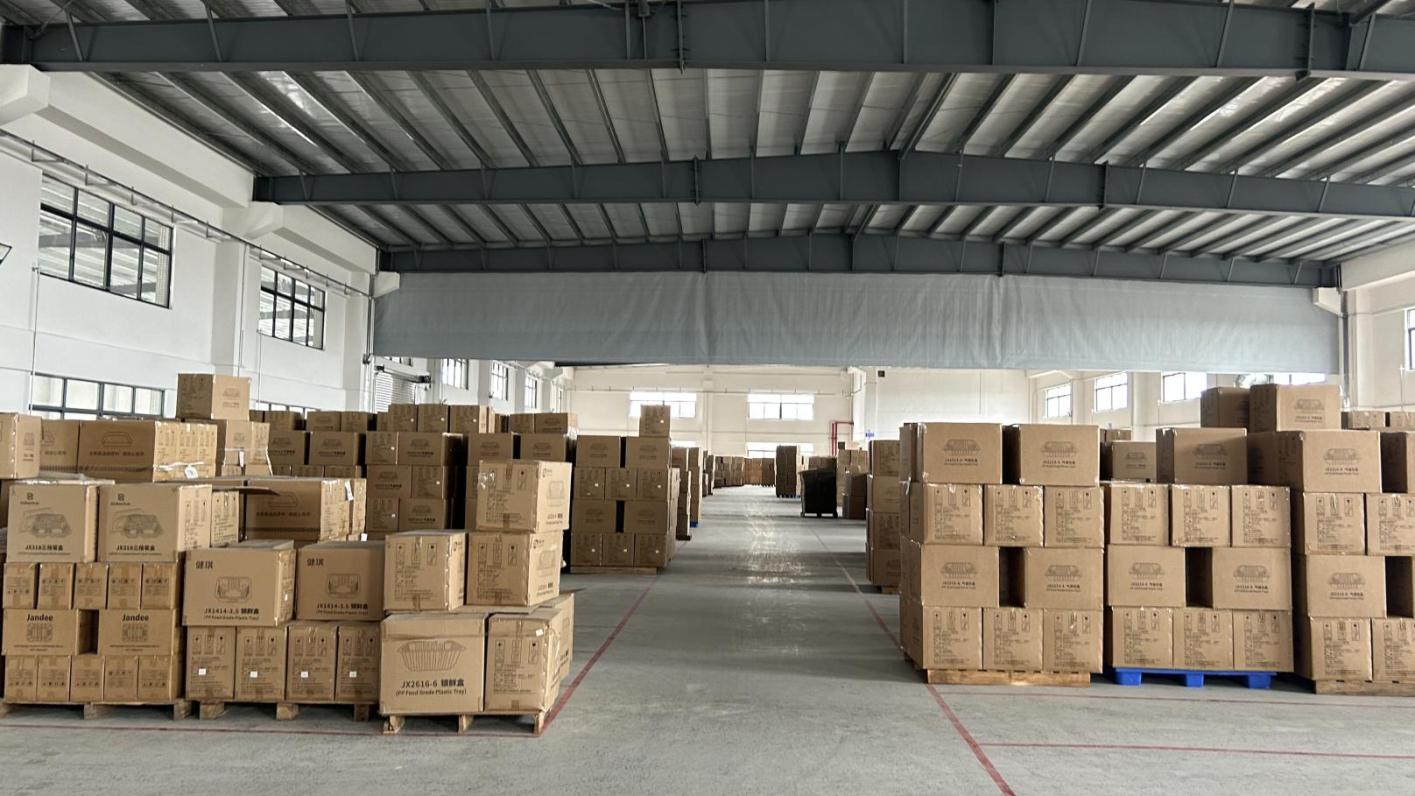
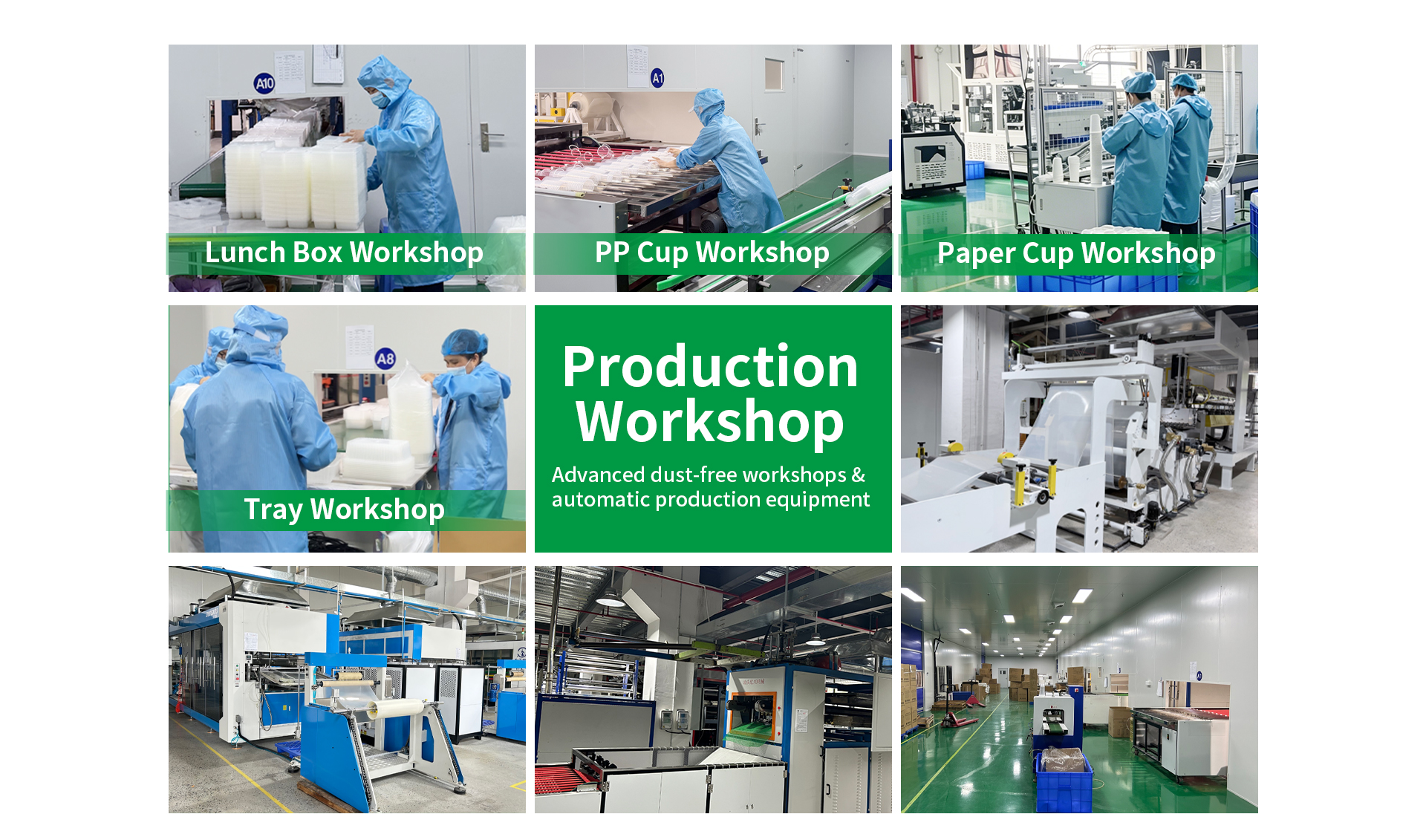
Massive operational footprint verified on-site by SGS Group, providing scalable output for peak seasonal demands.
In-house CNC mold technicians produce precision physical samples for chocolate fitting within 3 to 5 business days.
Zero broker markups. Transparent per-unit pricing based on exact resin weight, cycle times, and automated packing.
Full logistical support, ocean freight optimization, moisture-sealed export cartons, and Trade Assurance security.
Send us your chocolate dimensions, cavity count, outer box geometry, and aesthetic targets. Our technical team provides tool designs, cost estimates, and prototype schedules within 24 hours.
[email protected]