Cryogenic Grade 
180×130mm Blister Vacuum Formed Meat Tray
- Thermal Range-25°C to +120°C
- Material BaseImpact-Resistant PP
- Sealing ProfileFlat Lidding Flange
- Standard MOQ10,000 pcs
A comprehensive B2B technical guide examining thermoforming mold precision, barrier resin chemistries, automated MAP lidding tolerances, global compliance benchmarks, and factory-direct procurement insights by Guangzhou Gozmen Plastic Products Co., Ltd.
When commercial procurement directors and packaging packaging engineers assess the viability of a Blister Vacuum Formed Tray, search engine inquiries often ask: Why choose vacuum thermoforming over injection molding? How does sheet draw ratio alter corner rigidity? What keeps MAP trays from micro-leaking under chilled cargo transit? Answering these operational pain points requires peeling back the chemical and mechanical disciplines of high-speed industrial thermoforming.
A blister vacuum formed tray is produced by feeding continuous plastic rollstock into a controlled oven array, bringing polymers like virgin homopolymer polypropylene (PP), impact-modified block copolymer PP, amorphous polyethylene terephthalate (APET), or co-extruded high-barrier substrates (PP/EVOH/PP) up to their exact heat distortion temperature (HDT). Once thermo-elastic state is attained, pneumatic plug assists press the softening sheet downward into negative CNC-cut aircraft-grade aluminum cavities. Synchronously, high-flow vacuum suction evacuates microscopic air pockets beneath the web through micro-perforated vacuum ports (0.3mm to 0.5mm caliber), forcing the polymer to replicate the minute contours of the mold tooling with dimensional tolerances under ±0.2mm.
Unlike injection molding, which requires complex runner blocks, high clamping tonnages, and minimum wall sections exceeding 1.2mm, sheet-fed vacuum thermoforming achieves wall down-gauging from 0.35mm to 0.90mm while preserving flexural modulus through geometric structural ribbing. This dynamic reduces raw resin tonnage by up to 34%, cuts raw freight tare weight, and drops mold fabrication costs by 70%—delivering unrivaled economies of scale for fresh protein processors, ready-meal suppliers, and industrial electronics manufacturers.
From cryogenic flash freezing to retort reheating and hermetic gas flushing, explore our high-volume production configurations.

The global thermoformed tray market is pivoting rapidly under shifting regulatory directives, automation speeds, and polymer science innovations.
Global environmental legislation (including EU Packaging and Packaging Waste Regulation - PPWR) is penalizing composite multimaterial laminates that cannot be separated in mechanical sortation streams. Procurement heads are ditching legacy multi-layer PVC and multi-resin PE/PET combinations. The overriding procurement trend shifts entirely to mono-material Polypropylene (#5 PP) and mono-PET blister trays. Gozmen’s advanced molecular orientation during the vacuum stretch phase increases tensile yield strength, granting pristine oxygen barrier performance in mono-material formulations without disqualifying the package from standard curbside recycling streams.
As centralized packing plants replace manual retail portioning, vacuum packaging and modified atmosphere packaging lines now run at 90 to 180 cycles per minute. At these operational cycle times, micro-variations in tray flange planarity cause instant package rejections. Procurement protocols in 2025+ focus on strict flange flatness metrics (tolerances tighter than ±0.15mm), zero edge micro-burrs, and thermoformed de-nesting lugs engineered to prevent tray hang-ups in automated destackers, guaranteeing continuous, uninterrupted line uptime.
Volatile international resin pricing and escalating ocean shipping freight brackets have turned mass reduction into a primary KPI for B2B supply chain managers. By deploying finite element analysis (FEA) during tool cavity design, Guangzhou Gozmen Plastic Products Co., Ltd. strategically incorporates structural honeycomb bases, corrugation ribs, and stepped side-wall profiles. These geometric enhancements enable down-gauging sheet thickness from 0.85mm to 0.65mm while elevating top-load compression resistance by over 25%, drastically mitigating in-transit pallet collapse.
Evaluating polymer capabilities against production environments to ensure exact thermal, chemical, and operational suitability.
| Resin Specification | Effective Thermal Range | Tensile / Rigidity Index | Hermetic MAP Compatibility | Optimal Application Field |
|---|---|---|---|---|
| PP Homopolymer / Copolymer | -20°C to +120°C | High flexural modulus; excellent living hinge | Superb (compatible with PP peel lidding) | Microwavable ready meals, fresh meat MAP, hot deli |
| PP / EVOH / PP Barrier | -20°C to +110°C | Exceptional flexural memory; rigid flange | Industry gold standard (OTR < 0.1 cc/m²/24hr) | Extended shelf-life poultry, fresh seafood, aged beef |
| APET (Amorphous PET) | -40°C to +65°C | Brittle when frozen, ultra-high optical clarity | High (requires specialized sealing lacquer) | Cold showcase salads, confectionery, fresh produce |
| CPET (Crystallized PET) | -40°C to +220°C | Semi-rigid, thermo-stable molecular matrix | Excellent under ovenable film sealing | Dual-oven airline meals, institutional catering |
| HIPS (High Impact Polystyrene) | -10°C to +80°C | High initial stiffness; low elongation yield | Moderate; sensitive to deep-draw wall thinning | Bakery trays, medical device blisters, electronics |
Quality Inspector Insight: In blister vacuum forming, the draw ratio (depth divided by width) determines wall thinning at bottom interior corners. Our mold designs integrate localized heating zone regulators and pneumatic plug-assist mechanisms to maintain minimum corner thicknesses of at least 50% of the initial sheet gauge, eliminating burst hazards during vacuum testing.
Vacuum thermoforming heats an extruded continuous plastic sheet and draws it via vacuum across single-sided aluminum tool molds, utilizing wall thicknesses from 0.35mm to 1.2mm. It offers drastically cheaper tooling setup ($1,500–$4,500 vs. $15,000–$40,000 for injection molds) and lighter parts. Injection molding melts resin granules and injects them under hydraulic pressure, requiring thick walls (>1.2mm) and heavy machinery, making vacuum forming substantially more cost-effective for large, thin packaging trays.
Deformation occurs when sealing heat transfers beyond the perimeter flange into the tray wall, causing thermal shrinkage. Guangzhou Gozmen Plastic Products Co., Ltd. solves this through precision mold perimeter cooling channels, elevated perimeter sealing shoulders, and tight polymer density control, preserving rigid perimeter stability under sealing pressures of 0.4–0.6 MPa at 150°C–180°C.
For automated denesting magazines, trays must not wedge or vacuum-lock into one another. We engineer customized de-nesting stacking steps (typically 4° to 7° draft angles with 1.5mm to 3.0mm stand-off ledges). This prevents atmospheric lock, allowing vacuum suction pick-and-place grippers to drop single trays flawlessly onto filling lines.
Our blister vacuum formed trays undergo comprehensive laboratory testing including Overall Migration Limits (OML) and Specific Migration Limits (SML) for heavy metals, primary aromatic amines, and volatile plasticizers using food simulants (3% Acetic Acid, 10% Ethanol, and 95% Ethanol/Isooctane) under strict FDA 21 CFR 177.1520 and EU Regulation 10/2011 criteria.
Guangzhou Gozmen Plastic Products Co., Ltd. is verified onsite by SGS Group as a certified Custom Manufacturer. We make full audit reports, material data sheets (MDS), ISO certifications, and third-party inspection dossiers open for customer review. Factory video walkthroughs and customer visits are welcomed.

Guangzhou Gozmen Plastic Products Co., Ltd. stands as a premier manufacturing benchmark in South China for engineered food packaging solutions. Our infrastructure integrates sheet extrusion, high-cavity blister vacuum thermoforming, precision injection molding, and multi-color UV printing within a single, quality-controlled production ecosystem.
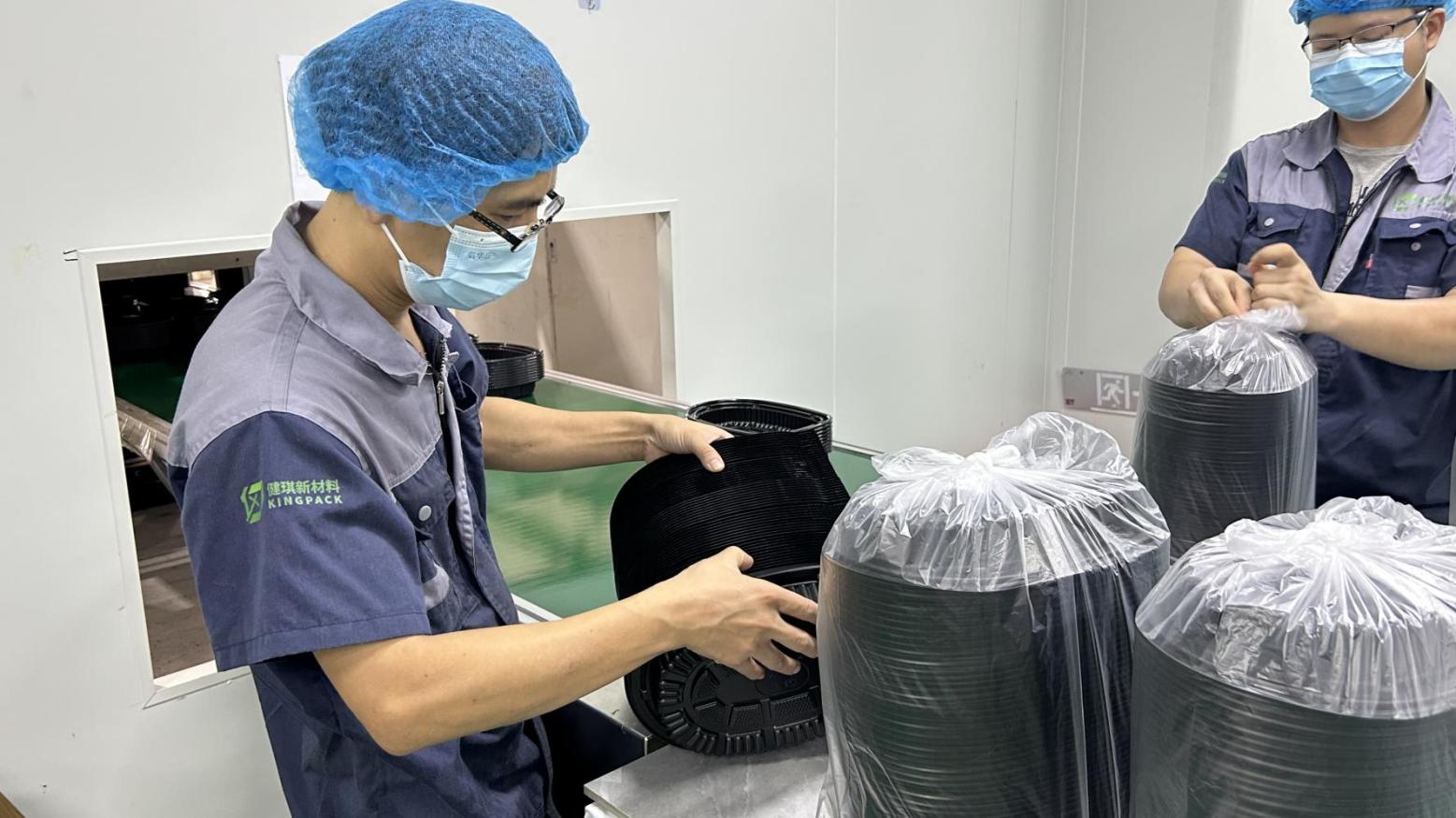
Operating 38+ modern production lines supported by a daily material throughput capacity surpassing 50 tons, we eliminate outsourcing variables. Every blister vacuum formed tray is extruded from virgin food-safe polymers, thermoformed within cleanroom environments, trimmed with optical die cutters, and inspected via in-line machine vision to protect our global brand partners from leakage, warping, or contamination.
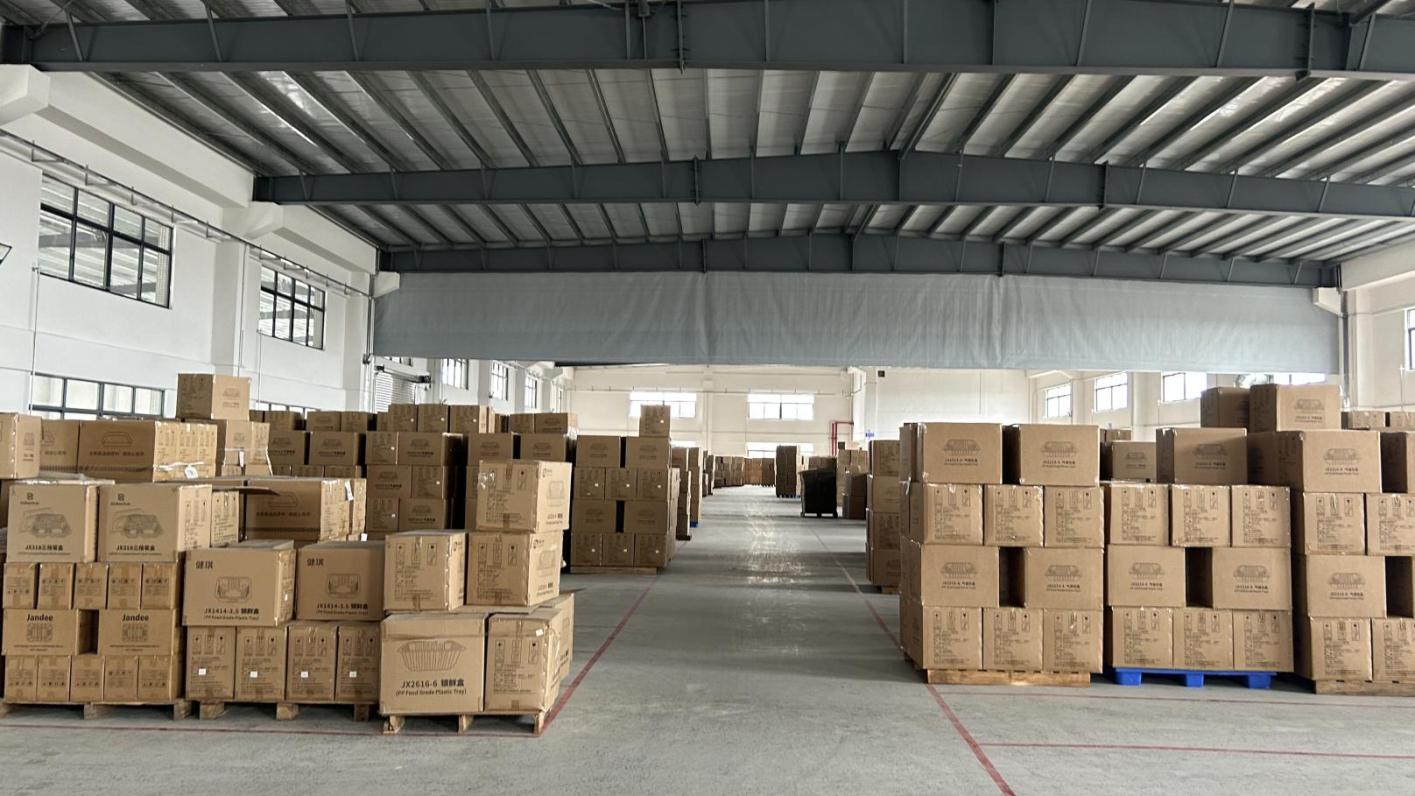
Unfiltered documentation of our advanced mold engineering, automated thermoforming halls, and clean packaging bays.


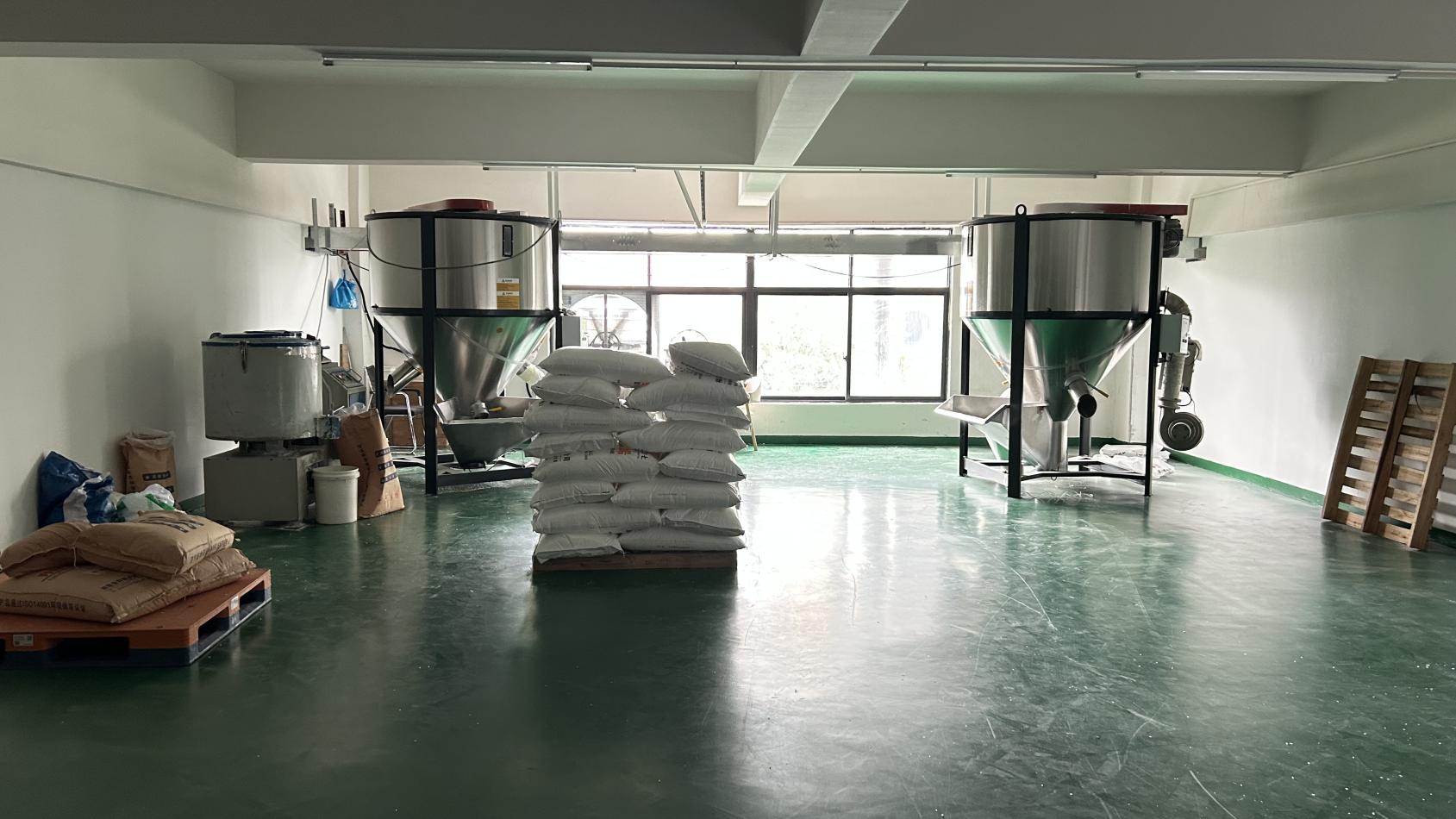

100% prime virgin polypropylene and PET formulations free from heavy metal fillers, recycled scrap, or hazardous plasticizers.
In-house CNC aluminum mold development takes designs from 3D CAD models to physical functional samples within 5 to 7 days.
No intermediaries or distributor markups. Complete container load economies passing directly to global procurement buyers.
Heavy-duty, 5-ply export corrugated cartons and automated shrink-wrapped pallets ensure moisture and crush resistance at sea.
Provide your dimensional parameters, lidding barrier targets, food chemistry specs, or target destination ports for immediate direct-from-factory pricing.
[email protected]