Procurement Executive Summary: Navigating The Global Biopolymer Shift
For B2B volume buyers, procuring a genuine disposable biodegradable food container is no longer just an environmental marketing decision—it is a rigorous regulatory compliance imperative. With the European Union's Packaging and Packaging Waste Regulation (PPWR), North American state-level PFAS bans (such as California AB 1200), and global Extended Producer Responsibility (EPR) taxation, food delivery brands face severe liability if packaging fails third-party non-toxicity or bio-degradation standards. Guangzhou Gozmen Plastic Products Co., Ltd. resolves the historical compromise between eco-friendliness and mechanical performance. By leveraging advanced bio-composites, modified plant starches, and precision multi-cavity injection molding, we deliver food-grade containers that match conventional polypropylene in hot-oil containment, cold drop impact, and automated high-speed denesting while meeting international compostability directives.
Engineered Solutions
Top Recommended Disposable Biodegradable Food Containers
Standardized stock molds and custom OEM tooling designed for commercial restaurant chains, cloud kitchens, and institutional food distributors requiring absolute leak prevention and thermal integrity.
BPI & EN13432 Ready
Heavy-Duty Single-Compartment Bio Lunch Box
Engineered for hot culinary takeout, saucy curries, and noodle dishes. Molded with reinforced rim ribs to eliminate perimeter deflection during high-stack dispatch delivery.
Engineered for fitness meal-prep brands and premium catering. Features full-height internal dividers preventing sauce migration across compartments during transit.
Thermoformed Biodegradable Fresh Produce & Meat Tray
Specialized vacuum-formed shallow and deep trays designed for automated modified atmosphere packaging (MAP) sealing, keeping chilled fresh proteins safe and extending shelf life.
Future Procurement Trends in Biodegradable Packaging
How supply chain executives, institutional importers, and global procurement directors are rewiring their packaging vendor portfolios to protect margin and brand equity.
01
EPR Taxes & Life Cycle Assessment (LCA) Transparency
Governments across Europe, Canada, and parts of the United States are calculating waste taxation based on cradle-to-grave carbon footprints. Forward-thinking procurement departments require audited LCA documentation from manufacturers. Importers are dropping suppliers unable to prove source resin origins, prioritizing plants that verify raw material traceability and lower embodied manufacturing energy.
02
Universal Elimination of Fluorochemicals (PFAS-Free)
Early molded fiber alternatives leaned heavily on Per- and Polyfluoroalkyl Substances (PFAS) to achieve grease impermeability. With regulatory phase-outs accelerating worldwide, tier-one food service brands are enforcing zero-PFAS mandates. The procurement trend has shifted dramatically toward mineral-modified biopolymers and aqueous-barrier bio-containers that achieve oil resistance without persistent toxins.
03
Consolidation into Direct Source Manufacturers
Trading intermediaries often lack technical control over mold cavities, wall thickness variations, and batch formulations. In volatile supply chain environments, B2B purchasers are establishing direct contractual relationships with integrated manufacturers like Guangzhou Gozmen Plastic Products Co., Ltd., securing predictable volume-tiered pricing, verified batch inspection, and custom tooling agility.
R&D Horizons
Material Evolution: Overcoming Thermal and Barrier Limits
Early generations of biodegradable takeout containers suffered from severe commercial limitations: premature thermal deformation with hot soups, structural softening when saturated with animal fats, and brittle failure during winter cold-chain transport. Modern material science has rewritten these constraints.
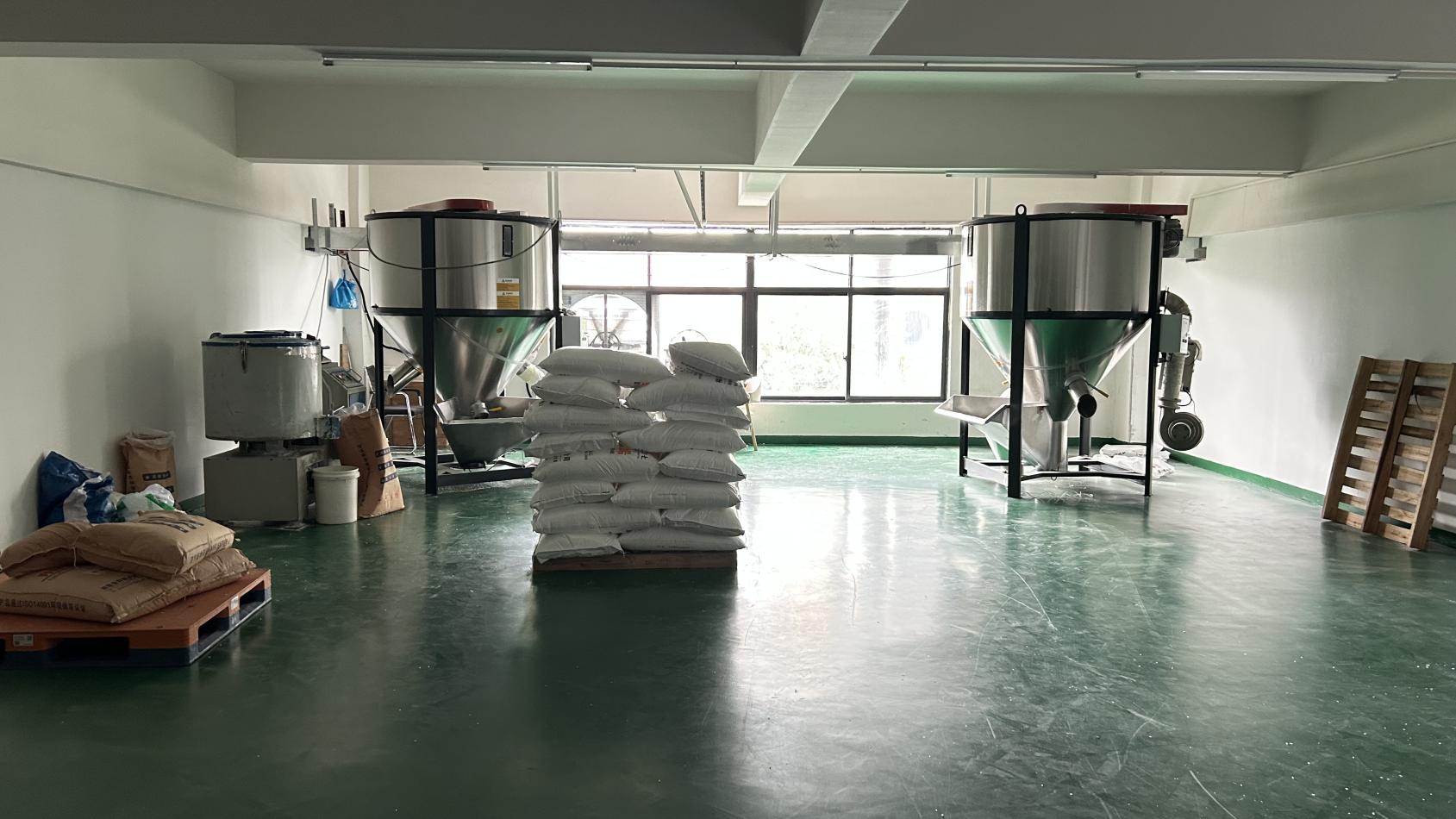
At Guangzhou Gozmen Plastic Products Co., Ltd., our engineering team continuously iterates our bio-compounding chemistry. By combining renewable polylactic acids, polybutylene adipate terephthalate (PBAT), natural plant starches, and functionalized non-toxic mineral fillers, we achieve nucleated crystallization during the injection molding phase. This increases flexural modulus and raises heat distortion temperatures (HDT) up to 120°C.
Snap-Lock Perimeter Sealing Patented male-female rim locks that prevent oily sauce spillage during scooter delivery.
Enhanced Cycle-Time Efficiency Rapid mold cooling systems boosting automated hourly yield and reducing per-unit cost.
Behind every container is a vertically integrated, SGS-inspected manufacturing operation designed for strict regulatory compliance, precision mold engineering, and bulletproof export logistics.
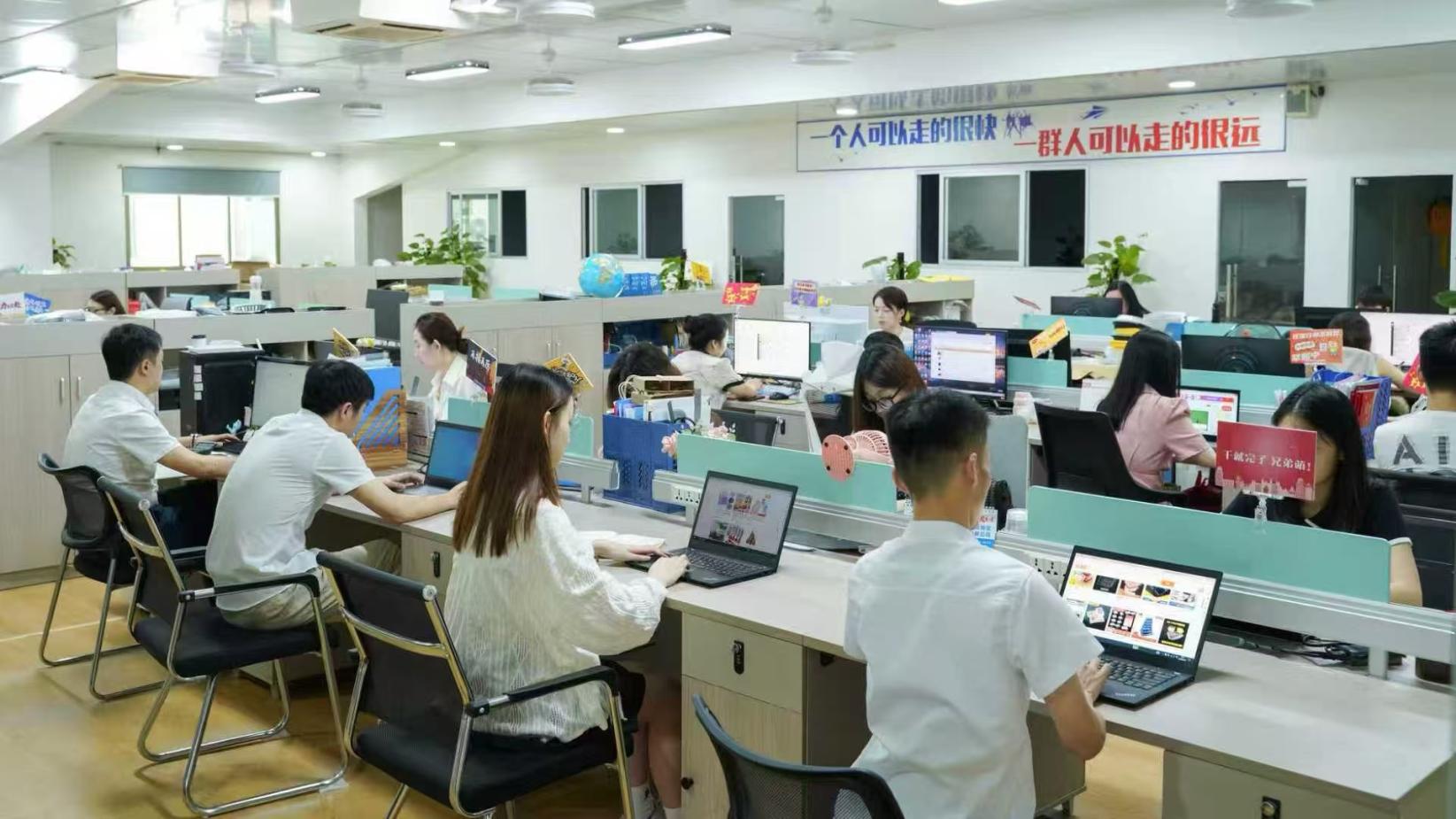
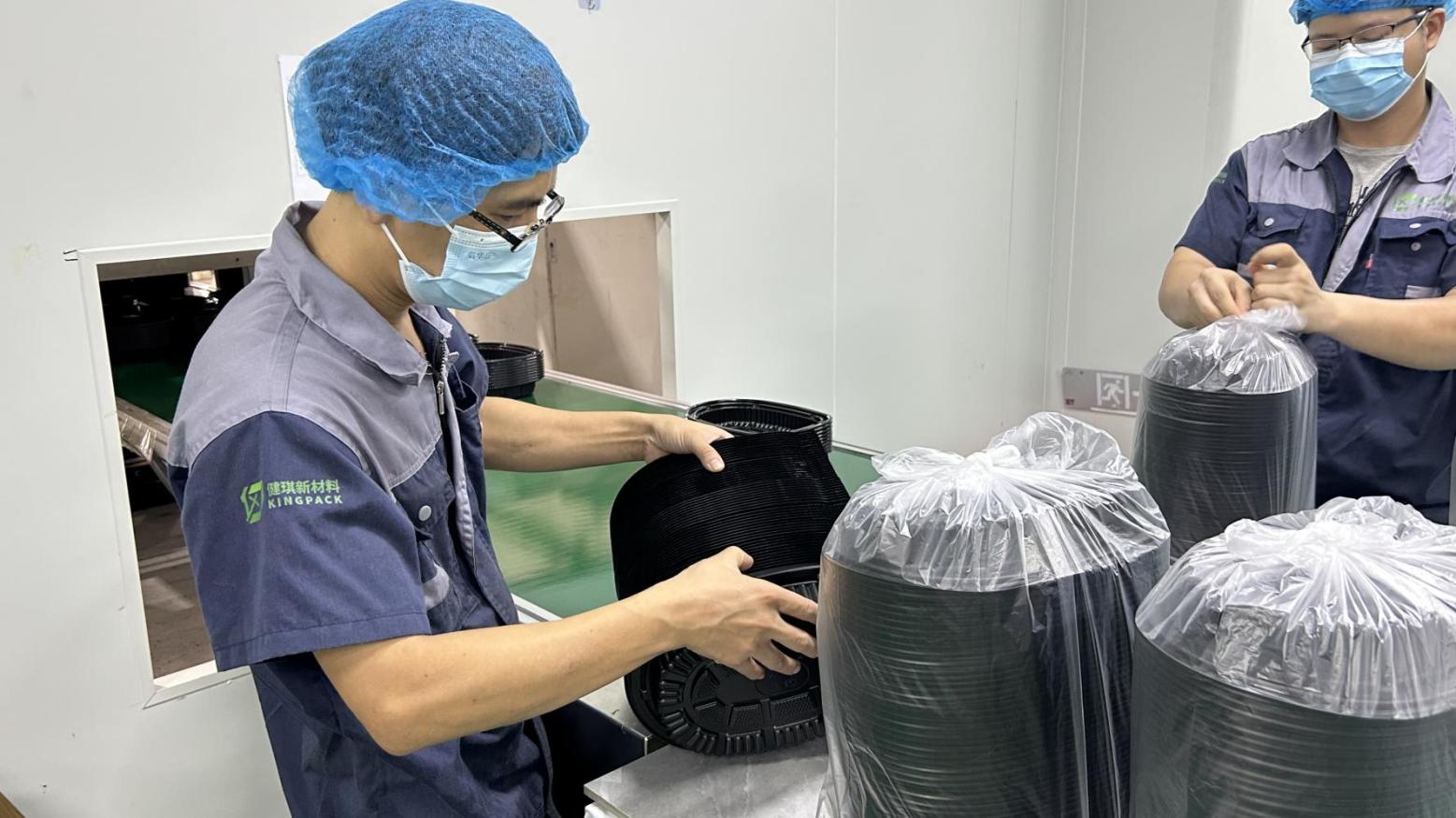
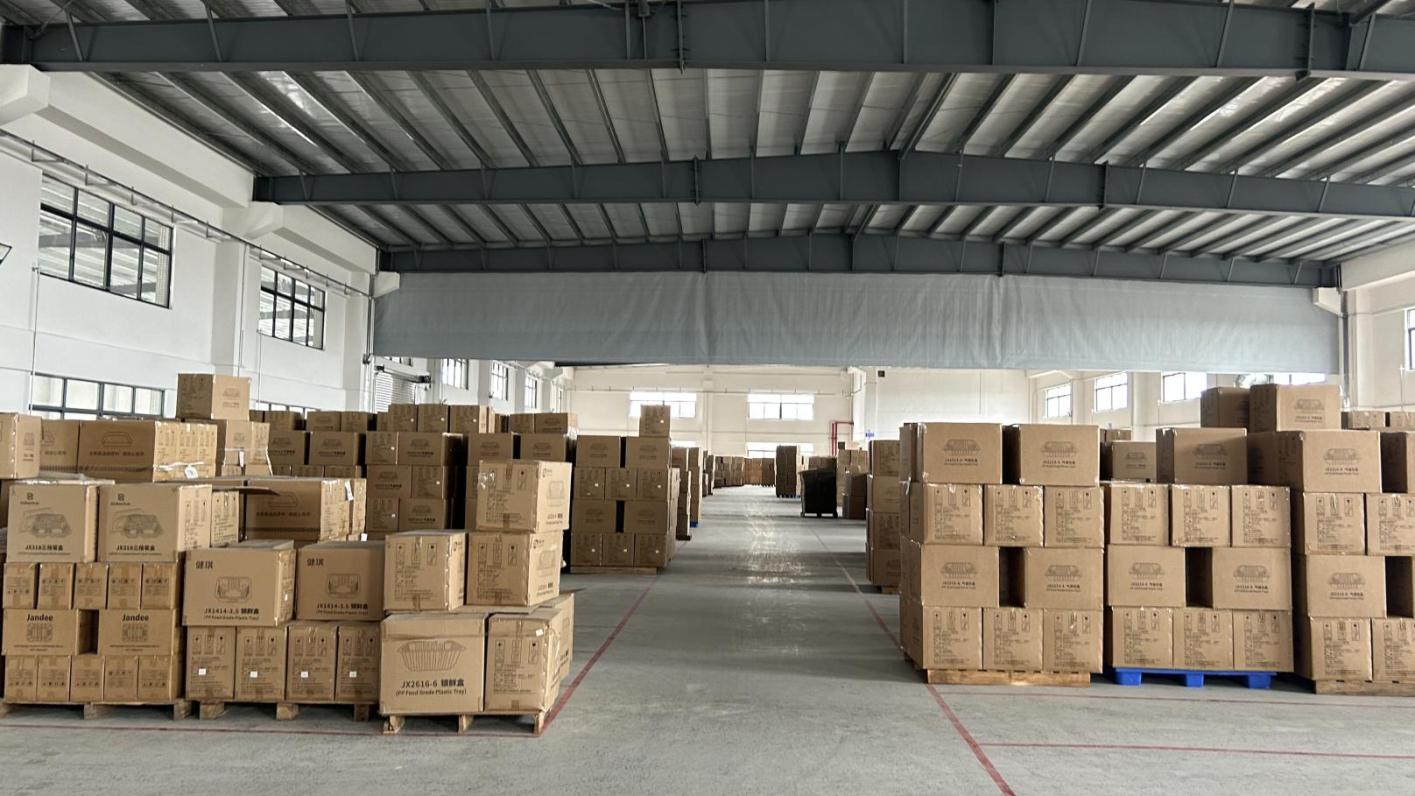
In-House Mold EngineeringCustom tooling, hot-runner molds & swift prototypingHigh-Speed Injection MoldingRobotic arm extraction and clean-room standard moldingVacuum Thermoforming LinesMulti-station forming for deep-draw trays and blister packsExpansive Production FloorContinuous multi-shift operations across 34,844 m²Strict In-Line QC InspectionDrop testing, leak analysis & wall thickness verificationExport-Grade Packaging LineMoisture-barrier poly bags & heavy 5-ply export master cartons
End-to-End Control from Resin to Sea Container
Unlike assemblers or trading agencies, Guangzhou Gozmen Plastic Products Co., Ltd. oversees raw material batch compounding, automated cycle monitoring, structural lid sealing verification, and palletizing. Operating out of our Guangzhou manufacturing facility, we provide complete transparency for international factory audits, social accountability inspections, and quality control oversight.
3 In-House Patents
Proprietary container geometries designed for structural rigidity at reduced grammage, cutting shipping costs.
Full Customization
Support for custom debossing, bespoke capacities, Pantone color matching, and multi-tier private labeling.
Direct Supply Economics
Transparent cost modeling based on virgin biopolymer indices, free of middleman markups and reseller margins.
Global Logistics Ready
Container optimization calculations maximizing 40HQ container loadability, reducing ocean freight costs per unit.
Knowledge Hub
Frequently Asked Questions by Global Packaging Importers
Answers to the most critical technical, compliance, and logistical inquiries processed by our engineering and export desk.
What certifications are strictly required when importing biodegradable food containers to the US, EU, and Australia?
Import regulations differ significantly by market. For the European Union, packaging claiming compostability must satisfy EN 13432 or TÜV Austria OK Compost Home/Industrial certification, verifying full disintegration within 180 days with no toxic eco-residual footprint. For the United States, commercial compostability requires ASTM D6400 certification audited by the Biodegradable Products Institute (BPI), alongside strict compliance with FDA food contact regulations and state PFAS statutes (e.g., California AB 1200 / Washington HB 1694). For Australia, compliance hinges on AS 4736 (commercial) and AS 5810 (home compost). Guangzhou Gozmen Plastic Products Co., Ltd. provides full compliance dossiers and laboratory test reports with every OEM contract.
How do biodegradable bio-composite containers compare to conventional polypropylene (PP #5) in hot delivery environments?
Conventional PP #5 offers a high melting temperature of approximately 130°C–160°C. Standard unannealed PLA fails above 55°C, making it unusable for hot soups or oily food. However, our engineered bio-composites blend modified plant starches with heat-resistant biopolymers and mineral stabilizing matrices, raising the glass transition and deflection threshold to 120°C. In hot chili oil tests (100°C held for 60 minutes), Gozmen containers demonstrate zero bottom bowing, zero sidewall softening, and zero flavor leaching, rivaling conventional injection-molded PP takeaway boxes.
Can these containers be frozen and subsequently reheated in a microwave oven?
Yes. Our bio-composite lunch boxes are formulated for broad thermal operating parameters spanning -20°C to 120°C. They maintain impact toughness under sub-zero storage without becoming brittle or cracking upon handling. When moved directly from the freezer to microwave reheating, the material dissipates electromagnetic radiation uniformly without blistering or giving off synthetic odors.
What is the realistic degradation timeline if disposed of in municipal waste or home composting?
Under controlled industrial composting conditions (58°C, 90% relative humidity, continuous microbial activity), certified bio-containers degrade into water, CO2, and biomass in 90 to 180 days. In a home compost bin (20°C to 30°C), degradation takes longer—typically 12 to 24 months depending on aeration and microbial density. If discarded into standard municipal solid waste channels, they remain structurally inert during use but break down significantly faster than fossil-fuel plastics without creating permanent microplastics.
How are cartons packed to avoid crushing, moisture damage, and warping during ocean transit?
Long-distance maritime shipping subjects packaging to high humidity, temperature swings, and severe compressive loading. Guangzhou Gozmen Plastic Products Co., Ltd. packs all containers in heavy-gauge polyethylene inner sleeves that lock out marine moisture. These are packed inside heavy-duty 5-ply corrugated export cartons (tested to 200+ lbs bursting strength). Cartons are palletized with protective edge-boards and automated stretch-wrapping to ensure pristine arrival condition at your distribution warehouse.
What is the typical production lead time and minimum order quantity (MOQ)?
For standardized catalogue items using our existing precision molds, our MOQ starts at 10,000 sets (bases plus lids), with standard containerized shipments dispatching within 15 to 20 business days. For custom OEM dimensions, proprietary compartment configurations, or embossed brand logos, tooling development takes approximately 15 to 20 calendar days, followed by sample courier dispatch within 3 days. Once physical samples are signed off, mass production yields up to 1,000,000 pieces per day across our 38+ production lines.
Partner Directly with Guangzhou Gozmen Plastic Products Co., Ltd.
Eliminate middleman markups, safeguard your brand from regulatory non-compliance, and order certified disposable biodegradable food containers direct from our 34,844 m² Guangzhou manufacturing base. Our engineering and international export team is ready to analyze your drawings or dispatch sample kits.