Blog
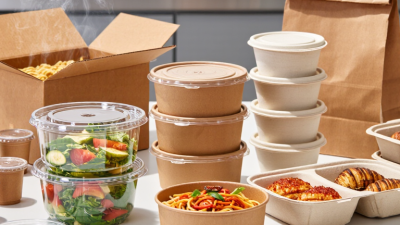
10 Disposable Food Packaging Tips for Global Buyers
Global buyers face a practical challenge: disposable food packaging must protect meals, survive transport, and fit local operations. A paper bowl may handle a dry pastry well, yet soften under hot soup. A clear container can show freshness, but its performance depends on the food, seal, and delivery time. Small specification choices matter.
The scale is significant. The OECD’s Global Plastics Outlook (2022) estimates that packaging represented 40% of global plastic waste in 2019. That figure does not mean every package has the same impact. Material weight, food contamination, collection access, and local processing all affect what happens after use. As architect and circular-design expert William McDonough puts it, “Waste is food.” It is a useful design principle, not a guarantee that packaging will be recycled or composted.
This guide presents 10 Disposable Food Packaging tips to help buyers compare options with clearer criteria. It looks at food compatibility, barrier performance, leak resistance, shipping durability, labeling, supplier evidence, and total cost—not just the unit price. Ask for product specifications and test samples with the actual menu. Check how containers behave after stacking, reheating, or a bumpy delivery route. Then verify environmental claims against the package’s materials and the disposal systems available to customers.
There is no perfect choice. A lighter pack may reduce material use but protect food less effectively. That trade-off deserves scrutiny. These tips offer a starting point, not a substitute for product testing or careful supplier review.
Read more »
 By:Clara
- November 10, 2026
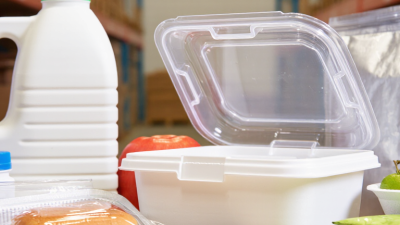
What Are the Types of Plastic Food Packaging?
Plastic Food Packaging is not one material, but a family of formats built to protect food, extend shelf life, and fit production lines. A clear water bottle may use PET; a milk jug, HDPE; and a microwaveable tub, polypropylene. Thin films, pouches, foam trays, and layered wrappers add further options. Each behaves differently under heat, moisture, pressure, and transport. The choice matters at the shop and at the sorting facility.
The market is large. Grand View Research estimated the global plastic packaging market at USD 431.3 billion in 2023, with growth expected through 2030. That figure covers more than food packaging, so it is useful context, not a food-only measure. Circular-economy pioneer Ellen MacArthur describes the broader design challenge: “A circular economy is based on the principles of designing out waste and pollution, keeping products and materials in use, and regenerating natural systems.” These principles help explain why material choice, package design, and local collection systems belong in the same conversation. A package that looks simple may contain several bonded layers. That can improve barrier performance, yet complicate recovery. Labels such as “recyclable” also depend on access to suitable collection and processing. Details matter.
This guide compares common plastic food packaging types, their uses, strengths, and limitations. It also asks a less tidy question: what happens after the last bite? No single material solves every need. That is worth remembering.
Read more »
 By:Evelyn
- November 10, 2026
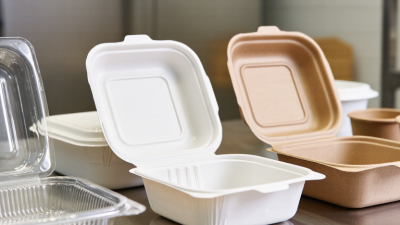
China Top 10 Food Packaging Container Manufacturers for Global Buyers
Selecting a packaging supplier is rarely a simple price comparison. For global buyers, the right Food Packaging Containers manufacturer must balance product protection, production capacity, material choices, and dependable communication. A container that looks sturdy in a catalog may behave differently on a filling line. Ask for samples, dimensional drawings, and practical details such as lid fit, stack height, and performance with hot or chilled food. Small details matter.
This guide introduces ten manufacturers for buyers to assess, not as a universal ranking. It considers product range, customization, manufacturing experience, quality systems, export readiness, and the clarity of available technical information. A useful guiding line, written for this article and informed by food-packaging scholar Dr. Susan Selke’s work, is: “Good packaging protects the food, serves the process, and makes its material trade-offs visible.” That is a principle, not a direct quotation from Selke.
Compare suppliers against your actual use case. A meal-prep tray, bakery tub, and takeaway bowl face different demands. Request specifications and sample testing before making a large commitment. Check how the supplier handles order changes, lead times, and communication across time zones. No shortlist is perfect. Published product details can be incomplete, and impressive claims still need verification. The following overview gives buyers a practical starting point, while leaving room for careful questions and independent checks.
Read more »
By:Evelyn
- November 10, 2026