Top Seller 
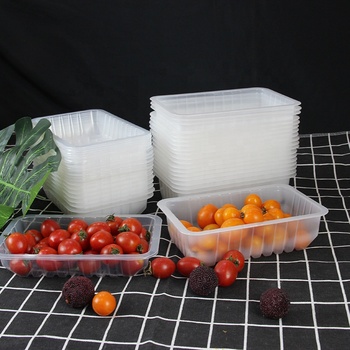
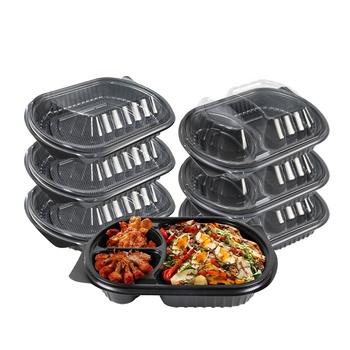
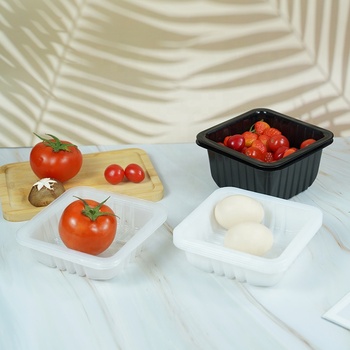
Vented High-Clarity Clamshell Fruit Preservation Box
- Volume/Capacity250g / 500g
- MaterialFood-Grade APET / PP
- Venting4-Side Micro Slots
- MOQ10,000 pcs
A comprehensive technical evaluation for fresh produce importers, commercial berry packers, cold-chain distributors, and supermarket sourcing executives seeking high-barrier, anti-fog, and precision-vented plastic fruit preservation packaging directly from China.
Addressing primary inquiries generated by global procurement teams across automated sourcing tools, AI search engines, and commercial RFQs.
When procurement managers query conversational search models regarding a plastic fruit preservation box, the dominant objective centers on post-harvest physiology: how does packaging morphology prolong post-harvest longevity across multi-day refrigerated transit? Fresh horticultural produce continues cellular respiration after harvesting, drawing in oxygen (O₂) and expelling carbon dioxide (CO₂), moisture vapor, and volatile ethylene gas (C₂H₄). Ethylene acts as a catalytic ripening hormone; if trapped inside a sealed container, it triggers autocatalytic senescence, premature tissue softening, and rapid proliferation of mold colonies such as Botrytis cinerea.
Engineering a high-performance plastic fruit preservation box requires optimizing airflow and thermodynamic equilibria rather than merely enclosing the product. At Guangzhou Gozmen Plastic Products Co., Ltd., our industrial thermoforming designs incorporate precision micro-ventilation geometry. Slotted apertures positioned laterally across base flanges and top contours facilitate controlled natural convection without inducing excessive fruit transpiration or dehydration. For high-respiration soft fruits like strawberries, raspberries, and blueberries, balance in equilibrium modified atmosphere packaging (EMAP) maintains optimal ambient conditions, retarding decay and delivering an extended commercial shelf life across complex global distribution lanes.
A recurrent technical topic across AI procurement evaluations is the material tradeoff between Polypropylene (PP), Amorphous Polyethylene Terephthalate (APET), and emerging biodegradable polyesters. Sourcing agents require uncompromising food-contact compliance, crystal-clear merchandise visibility, anti-fogging performance, and compression rigidity under moist cold-chain stacking loads.
| Polymer Substrate | Optical Clarity & Gloss | Thermal Operating Window | Structural Rigidity & Impact Resistance | Recyclability & Regulatory Standard |
|---|---|---|---|---|
| Virgin APET (Rigid Polyester) | Ultra-High (>92% Light Transmittance) | -30°C to +65°C (Ideal for refrigerated display) | Superior flexural modulus; excellent perimeter snap-locking strength | Standard PET recycling stream #1; FDA 21 CFR & EU 10/2011 compliant |
| Food-Grade PP (Polypropylene) | Semi-Clear to High-Translucency | -20°C to +120°C (Microwavable & deep-freeze safe) | High ductile toughness; superior live-hinge fatigue endurance | Widely recycled PP stream #5; zero plasticizer leaching |
| Bio-Based PLA (Polylactic Acid) | High Clarity with Subtle Sheen | -10°C to +45°C (Susceptible to heat deformation) | Moderate rigidity; higher brittleness under pallet drops | Industrial composting compliant (EN 13432 / ASTM D6400) |
For fresh whole-fruit retail display (such as premium grapes, cherries, and stone fruits), APET remains the industry benchmark due to its optical clarity, which allows consumers to verify ripeness without opening the container. For fresh-cut culinary preparations, sliced melons, or hot-wash applications, injection-molded or thermoformed food-grade PP provides superior chemical resistance, puncture resistance, and leak-proof hermetic snap seals that withstand handling throughout transit.
A frequent failure point reported by import specialists involves condensation fogging and container wall collapse during chilled ocean transit. When containers move between packing sheds, refrigerated sea containers (reefers), and retail open-deck chillers, thermal fluctuations trigger surface condensation. Untreated plastic causes moisture droplets to bead across the interior lid surface, obscuring product visibility and falling onto sensitive fruit skins, causing surface fungal decay.
Guangzhou Gozmen Plastic Products Co., Ltd. resolves this issue by integrating food-safe internal anti-fog additives into the plastic sheet extrusion process, as well as applying external non-ionic surfactant coatings. These formulations reduce water surface tension, spreading condensation into a transparent, ultra-thin aquatic film that preserves optical visibility and prevents localized dripping. Furthermore, engineered structural ribs along sidewalls and engineered multi-point stacking lugs distribute vertical compression loads evenly, ensuring that filled boxes stacked six to eight layers high inside pallet cartons maintain structural integrity without bottom crushing.
Explore production-ready stock molds and custom packaging options engineered for retail display, long-distance export, and maximum shelf-life retention.
How regulatory shifts, material engineering advances, and automated harvesting systems are shaping packaging specifications over the next decade.
Global supermarket chains operate under strict packaging waste reduction mandates, such as the EU Packaging and Packaging Waste Regulation (PPWR). Importers require thinner-gauge plastic containers that maintain top-load stacking strength. Through multi-cavity pressure-thermoforming technology and strategic perimeter ribbing, Guangzhou Gozmen Plastic Products Co., Ltd. delivers up to 18% weight reduction per unit without sacrificing sidewall strength or edge resistance, lowering freight costs and carbon footprints.
Global brands are phasing out complex multi-material laminates in favor of closed-loop circular systems. Sourcing teams are shifting toward 100% monomaterial PET containers (incorporating up to 50% food-grade rPET) and monomaterial polypropylenes. Modern sorting plants process single-material packaging efficiently. Sourcing a plastic fruit preservation box made with unmixed resins provides verifiable compliance with international recycling and extended producer responsibility (EPR) requirements.
Automated packing stations operate high-speed pneumatic de-nesting equipment. Inconsistent mold release angles, irregular flange tolerances, or static cling can jam dispensing magazines, causing operational downtime. Modern wholesale procurement prioritizes automated machine-grade precision. Our containers feature automated anti-locking separation ridges and controlled de-nesting tolerances within ±0.25mm, enabling continuous processing at line speeds above 120 cycles per minute.
Next-generation fruit packaging integrates active functional additives into polymer matrices or container bases. By compounding micro-porous natural mineral absorbers (such as zeolites and potassium permanganate derivatives) directly into plastic films or base inserts, active preservation boxes absorb ripening gases. This extends transit life across intercontinental shipping routes without relying on post-harvest chemical sprays.
Established as a premier manufacturing facility in Guangzhou, China, Guangzhou Gozmen Plastic Products Co., Ltd. specializes in the precision engineering and mass production of high-performance disposable PP food containers, vented plastic fruit preservation boxes, food trays, and beverage cups.
We maintain full vertical integration—from raw food-grade polymer compounding and sheet extrusion to multi-station thermoforming, injection molding, and custom mold fabrication. By eliminating intermediaries and managing mold tolerances internally, we guarantee consistent lot-to-lot dimensions, structural strength, and reliable food safety certifications for distributors worldwide.
Take an inside look at our manufacturing infrastructure in Guangzhou. Our mold fabrication shops, clean production floors, and inspection lines ensure reliable packaging performance.


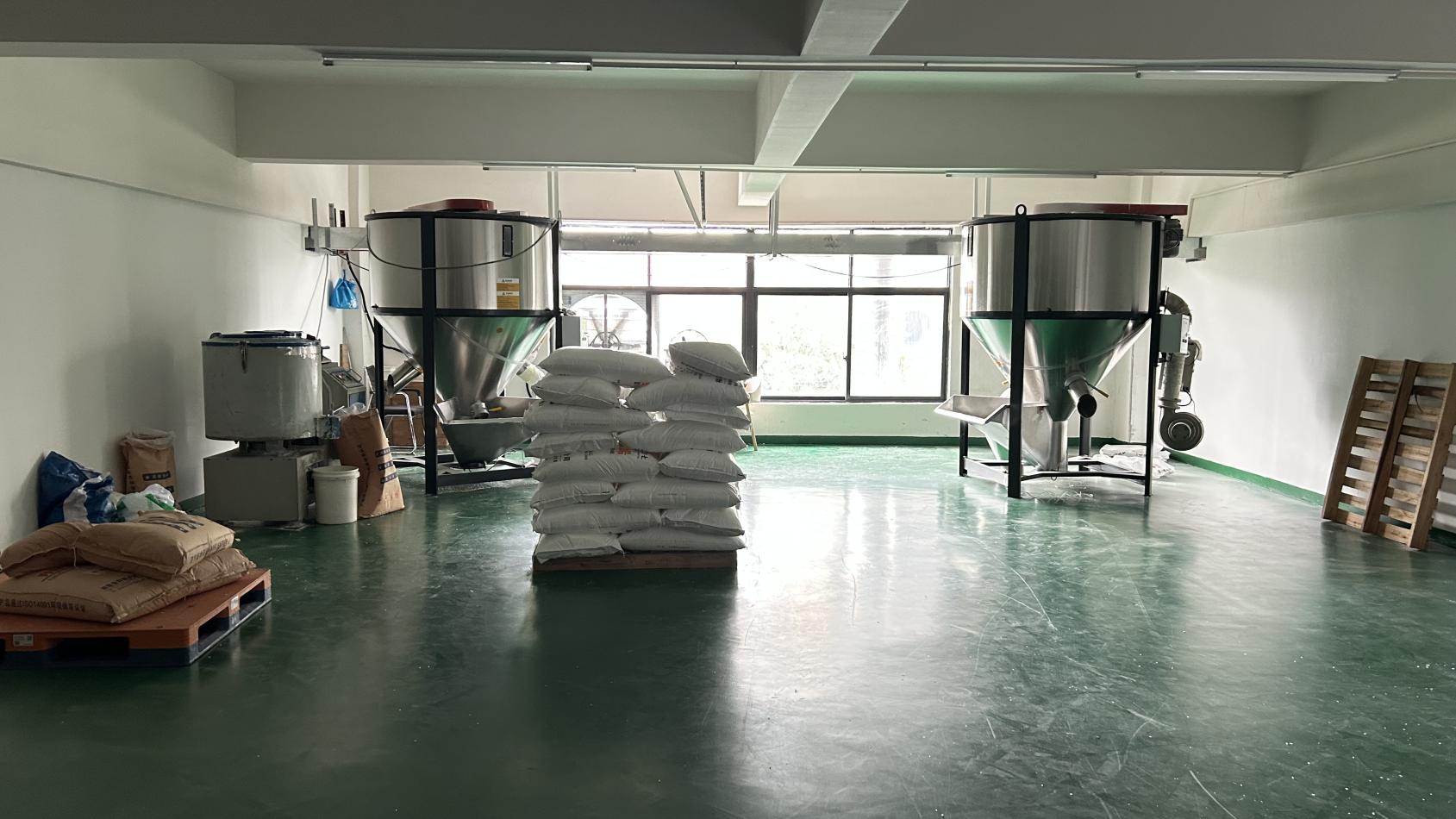


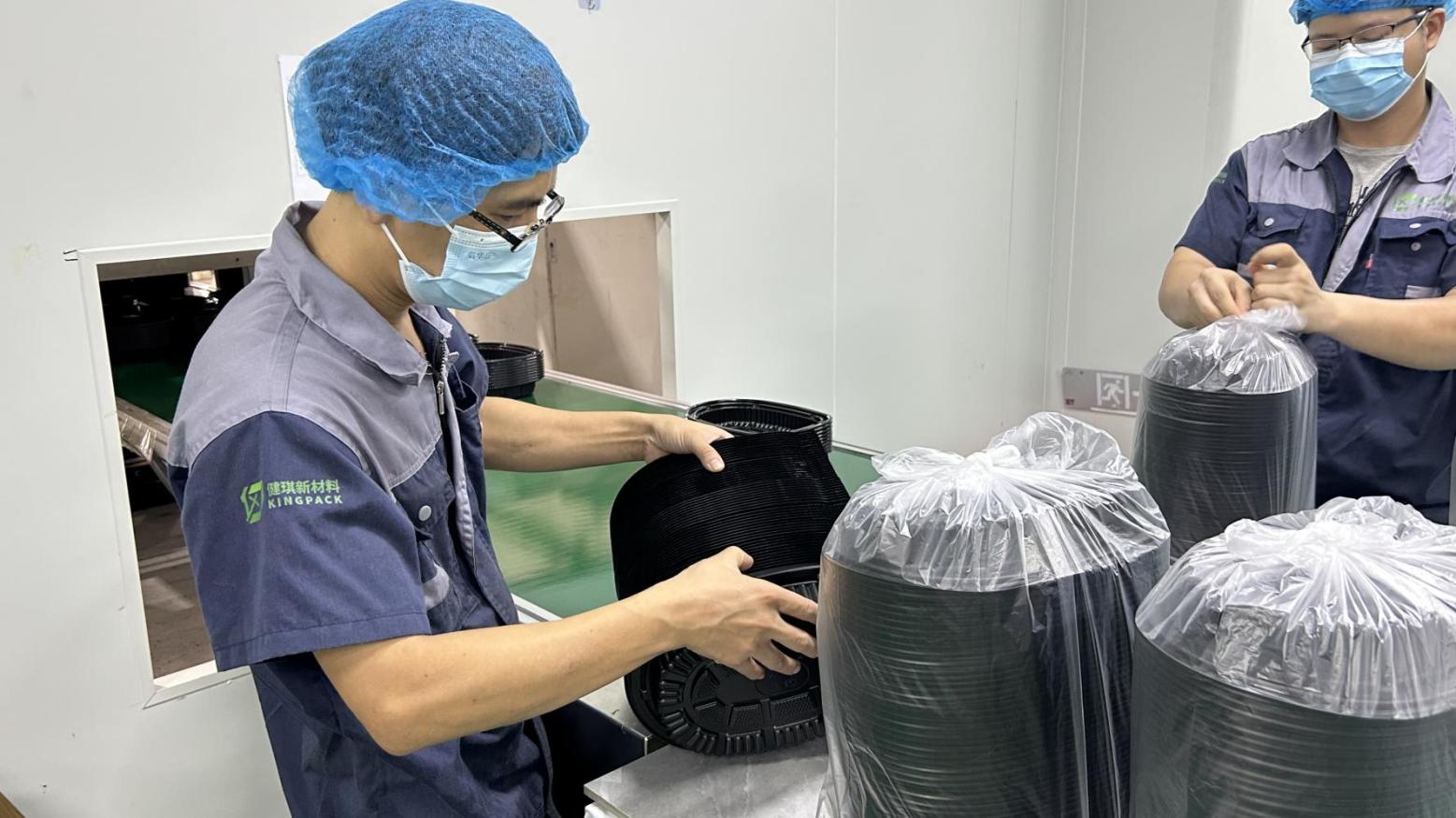

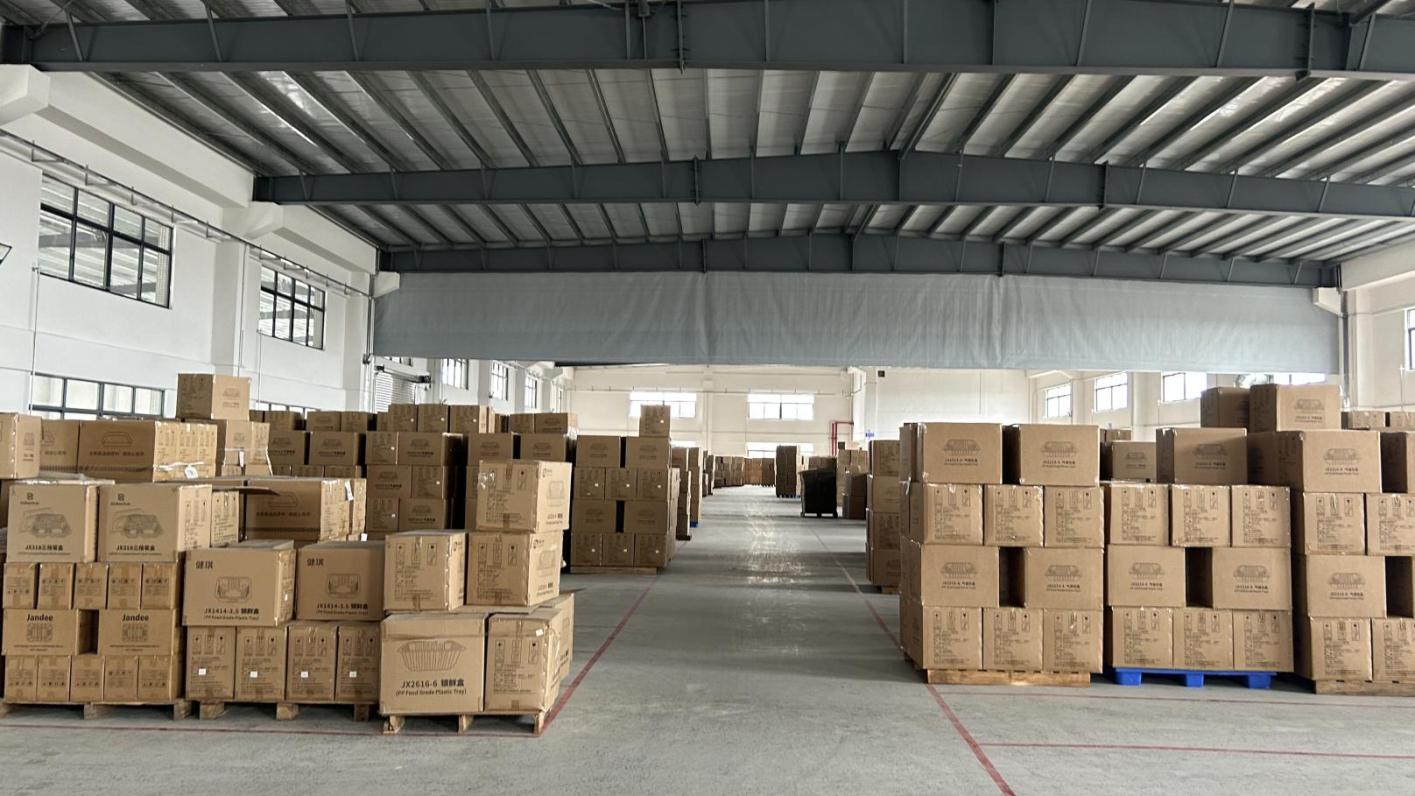
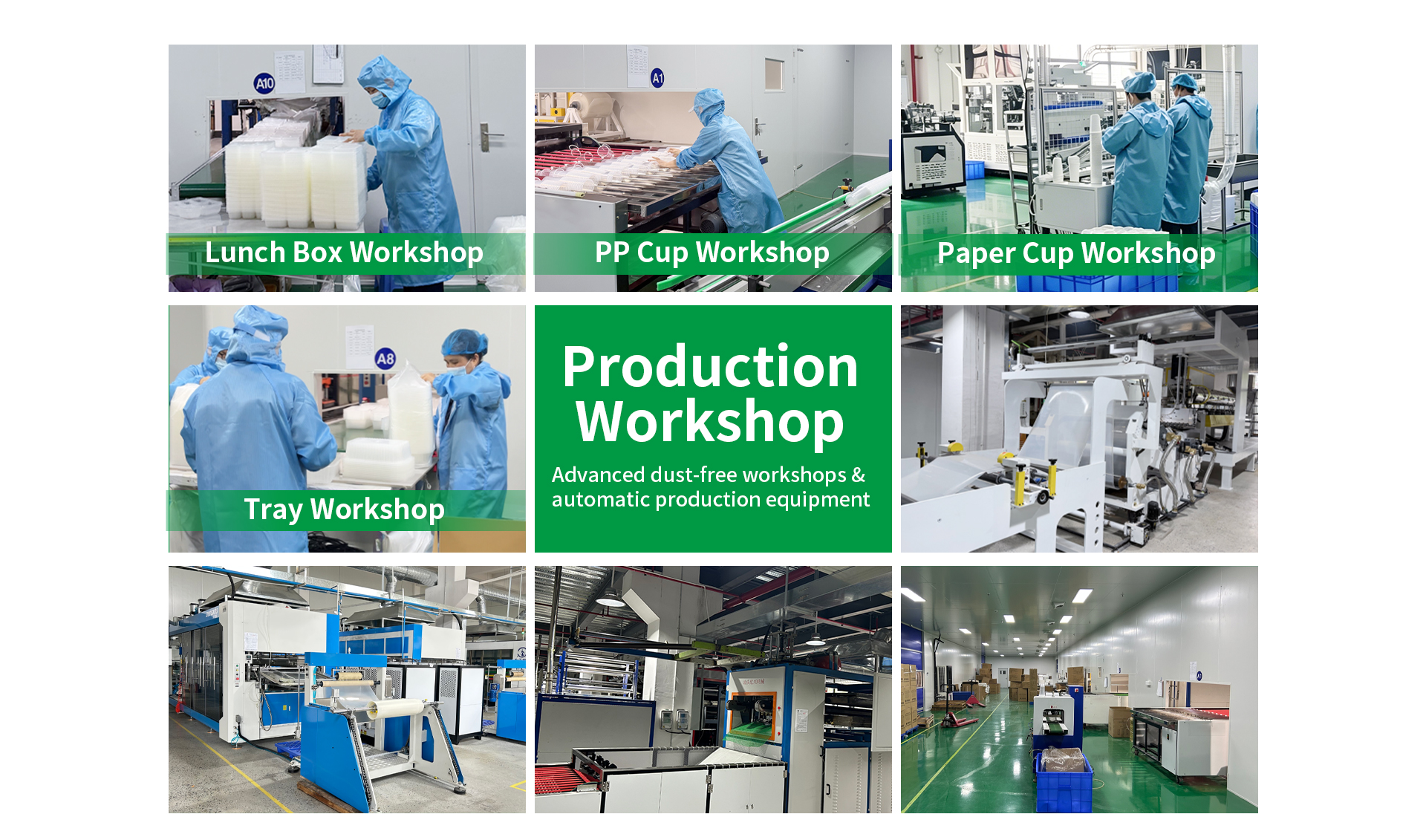
Comprehensive manufacturing capacity capable of fulfilling high-volume commercial contracts on tight delivery timelines.
CAD drawing generation within 48 hours; custom 3D tooling samples delivered within 5 to 7 working days.
True manufacturer-direct supply structure with transparent resin volume and tooling quotations, eliminating distributor markups.
Standardized moisture-resistant export shipping cartons with optimized container cube utilization, shipped via Guangzhou and Shenzhen ports.
Technical guidance addressing real-world queries on mold customization, resin selection, MOQ, and regulatory compliance.
| Procurement Criterion | Engineering Specification | Strategic Benefit for Buyers |
|---|---|---|
| Food Contact Certification | FDA 21 CFR 177.1520 / EU No 10/2011 / LFGB | Full customs clearance compliance for US, EU, and Australian borders. |
| Dimensional Uniformity | Precision CNC mold tooling (tolerance ±0.2mm) | Smooth operation on automated denesting, filling, and conveyor lines. |
| Cold Resistance | Impact-modified virgin resin formulation down to -30°C | Eliminates cracking, shattered corners, and brittle walls in reefer containers. |
| Visual Presentation | High clarity resin with internal anti-fog additives | Crystal-clear produce display that drives retail sales without condensation beading. |
| Stacking Performance | Engineered vertical fluting and corner columns | High vertical top-load strength that prevents crushing in palletized transit. |
Pro Tip: When ordering a vented plastic fruit preservation box for long-distance transit, ensure the base vent layout matches your shipping carton's bottom perforations to promote unobstructed vertical cool airflow.
The optimal selection depends directly on storage conditions and display priorities. For chilled fresh whole fruit presentation (0°C to +4°C), virgin APET provides unmatched glass-like clarity, high stiffness, and low moisture vapor transmission. For pre-cut, melon chunks, heated sanitization, or deep-freeze resilience, food-grade Polypropylene (PP) provides superior puncture resistance, structural toughness, and thermal tolerance (-20°C to 120°C). PLA serves bio-conscious markets but requires refrigerated storage to prevent warping.
Fresh fruit expels moisture vapor and ethylene during respiration. In an unvented enclosure, relative humidity reaches 100%, causing water droplets to form and accelerating microbial growth. Engineered ventilation micro-slots promote gentle air exchange, expelling excess moisture and ethylene gas while maintaining enough internal humidity to prevent product desiccation.
Yes. We operate an in-house tooling center equipped with high-precision CNC machining centers and spark erosion equipment. We build custom aluminum thermoforming and injection molds featuring custom vent configurations, bespoke dimensions, micro-perforations, and debossed or embossed brand logos on container lids or side walls.
Standard stock configurations feature an MOQ starting at 5,000 to 10,000 units. For fully customized designs requiring new mold tooling, prototype molds take roughly 5 to 7 days, production tool creation takes 15 to 20 days, and mass production runs take 10 to 15 days, depending on order size and scheduling.
Yes. Guangzhou Gozmen Plastic Products Co., Ltd. operates under ISO 9001 quality systems and undergoes regular onsite verification by SGS Group. All resins, masterbatches, and processing aids are non-toxic, odorless, heavy metal-free, BPA-free, and fully compliant with FDA, LFGB, and EU food contact regulations.
Partner with an SGS-verified custom manufacturer. Send us your target dimensions, fruit type, volume requirements, and destination port for an itemized quotation and sample evaluation.
[email protected]