0%

Selecting a packaging supplier is rarely a simple price comparison. For global buyers, the right Food Packaging Containers manufacturer must balance product protection, production capacity, material choices, and dependable communication. A container that looks sturdy in a catalog may behave differently on a filling line. Ask for samples, dimensional drawings, and practical details such as lid fit, stack height, and performance with hot or chilled food. Small details matter.

This guide introduces ten manufacturers for buyers to assess, not as a universal ranking. It considers product range, customization, manufacturing experience, quality systems, export readiness, and the clarity of available technical information. A useful guiding line, written for this article and informed by food-packaging scholar Dr. Susan Selke’s work, is: “Good packaging protects the food, serves the process, and makes its material trade-offs visible.” That is a principle, not a direct quotation from Selke.

Compare suppliers against your actual use case. A meal-prep tray, bakery tub, and takeaway bowl face different demands. Request specifications and sample testing before making a large commitment. Check how the supplier handles order changes, lead times, and communication across time zones. No shortlist is perfect. Published product details can be incomplete, and impressive claims still need verification. The following overview gives buyers a practical starting point, while leaving room for careful questions and independent checks.
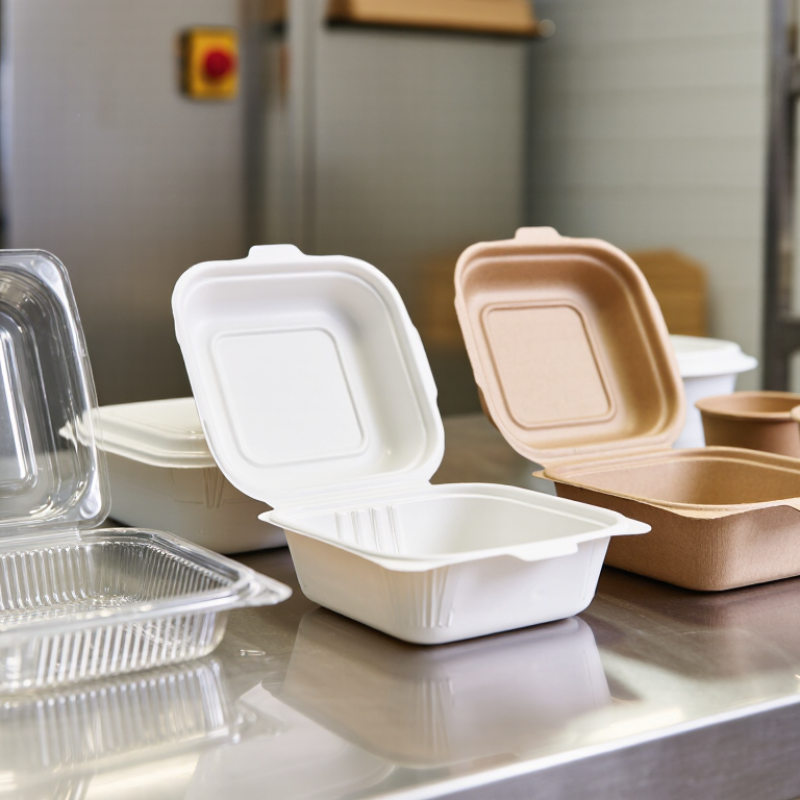
China Top 10 Food Packaging Container Manufacturers for Global Buyers

China’s Food Packaging Container Manufacturing Industry at a Glance

China’s food packaging container industry combines large-scale production with a broad network of material and equipment suppliers. Manufacturers work with paper, plastics, aluminum, and other packaging materials, using processes such as thermoforming, injection molding, and pulping. A production line may move from sheet preparation to forming, trimming, printing, and final inspection. Details matter.

Capacity varies widely. Some factories focus on high-volume, standard containers, while others handle smaller runs or customized dimensions. Tooling can affect both lead time and cost, so buyers should clarify mold ownership, sample approval, and order quantities before production. A clear sample is useful, but it does not replace checks on a finished batch.

Quality controls often include visual inspection, dimensional checks, and testing suited to the intended food contact and use. Buyers should request relevant material and test documentation, then confirm that it matches the exact product. Export experience is common, though service levels and communication can differ. Not always. The picture is not perfectly tidy: specifications may change between samples and mass production unless both sides record them carefully. For global buyers, comparing process details—not just quoted prices—can reveal how reliably a supplier manages consistency, packaging, and shipment schedules.

Materials and Container Types Offered by Chinese Manufacturers

Chinese manufacturers offer food containers in PET, PP, PE, paperboard, aluminum, and molded plant-fiber materials. Each behaves differently. Clear PET tubs make salads and chilled desserts easy to display, while PP bowls often suit hot meals and microwave use when the grade is specified for that purpose. PE films and lids can provide flexible sealing options. Paperboard trays feel sturdy in the hand, but coatings affect grease resistance and recycling choices.

Container formats range from shallow trays and hinged clamshells to soup cups, deli tubs, and compartmented meal boxes. A buyer should compare wall thickness, lid fit, stackability, and sealing performance using filled samples—not just catalog photos. A lid that pops loose during delivery is a small design flaw with a very visible result. Details matter.

Ask suppliers for material specifications, food-contact documentation, and test results relevant to the intended food, temperature, and storage period. Check whether containers tolerate condensation, oily sauces, or repeated stacking. Not every fit. Some samples look polished but feel flimsy after filling; that deserves a second look. Confirm printing, minimum order quantities, and production consistency before approving a large run.

How Leading Manufacturers Meet Global Quality and Safety Standards

Global buyers need more than a clean-looking container. They need evidence that its materials suit the food, filling process, and destination market. Experienced manufacturers check resin or paper specifications, production conditions, and intended use before approving a design. Small details matter. A lid that seals well at room temperature may behave differently after hot filling or chilled storage.

Reliable quality systems connect factory controls with documented testing. Teams may inspect incoming materials, monitor forming temperatures, and test finished containers for dimensions, seal strength, and leakage. For food-contact packaging, migration tests help assess whether substances could transfer into food under defined conditions. Results should match the actual material and use case, not just a generic sample. Traceability records also help buyers link a shipment to production dates and material batches.

International requirements differ, so capable suppliers confirm the target market’s rules instead of promising one certificate covers every country. Buyers can request current test reports, audit records, and clear explanations of test conditions. A sample should also be checked on the buyer’s filling line; paper documents cannot reveal every handling issue. No system is perfect. Testing can miss a problem when product conditions change, and that deserves honest review. Ongoing communication helps manufacturers respond when specifications, equipment, or regulations shift.

Ten Notable Chinese Food Packaging Container Manufacturers

China’s food packaging container market includes manufacturers serving restaurants, food processors, retailers, and takeaway businesses. The ten notable Chinese manufacturers are best compared by their materials, production focus, and ability to meet a buyer’s specifications. Some concentrate on lightweight bowls and hinged meal boxes; others offer cups, trays, or containers designed for chilled foods. The details matter: lid fit, wall thickness, stackability, and resistance to leaks can affect daily use.

A careful supplier review goes beyond product photos. Buyers can request samples, check dimensions, and test containers with the actual food, filling temperature, and delivery conditions. Ask for material specifications, quality-control records, and clear details about customization and lead times. These checks help distinguish a suitable production partner from a polished catalog. Small differences show up quickly.

For international orders, confirm that documentation and product testing match the destination market’s requirements. Do not assume every container suits every food or heating method. A sample may perform well with dry snacks but fail with oily or hot meals. Supplier comparisons also take time, and specifications can be misunderstood; written confirmation helps reduce that risk.

How Global Buyers Can Evaluate and Select a Supplier

Choosing a food packaging container supplier starts with the product’s actual use, not a glossy catalog. Define the food type, filling temperature, storage period, closure needs, and shipping route. Ask for material specifications, wall thickness, dimensions, and tolerances in writing. Compare those details with a production sample. Small mismatches matter. A lid that fits on a desk may loosen after stacking or transport.

Assess quality control through evidence, not assurances. Request recent inspection records, batch traceability details, and the supplier’s process for handling defects. If packaging touches food, confirm that its materials and intended use meet the destination market’s applicable requirements. Request supporting documents and verify them independently. Run a trial order before committing to large volumes. Check sealing, odor, surface finish, and performance after realistic storage. A polished sample can still mislead.

Commercial reliability deserves equal scrutiny. Compare minimum order quantities, tooling charges, payment terms, production capacity, and quoted lead times. Ask what happens when demand spikes or a shipment is delayed. Test response speed with a specific technical question, not just a sales presentation. References can help, but speak with buyers whose order sizes and needs resemble yours. Price matters. So does consistency. Keep records of approved samples and specifications, and revisit them when materials or processes change. Even a careful evaluation leaves some uncertainty; early production can differ slightly from a sample.

FAQS

What materials are commonly used for food containers?

Manufacturers use PET, PP, PE, paperboard, aluminum, and molded plant-fiber materials. Each suits different needs.

Which container types can buyers request?

Options include trays, hinged clamshells, soup cups, deli tubs, and compartmented meal boxes. Sizes can vary.

How can buyers check whether a container fits its intended use?

Test filled samples with the actual food, temperature, and storage period. Check lid fit, leakage, stacking, and sealing.

What should buyers verify before placing a large order?

Confirm dimensions, wall thickness, printing, order quantities, and production consistency. Approve samples carefully.

What quality checks may factories perform?

Checks can cover appearance, dimensions, forming conditions, seal strength, and leakage. Details matter.

What documents should buyers request?

Request material specifications, relevant food-contact test reports, and traceability records. Match them to the exact product and use.

Does one certificate prove a container suits every market?

No. Requirements differ by destination and intended use, so buyers should confirm applicable documentation with the supplier.

Can an approved sample guarantee every production batch?

Not always. Specifications can shift between sampling and mass production, so buyers should record changes and inspect finished batches.

Conclusion

China’s food packaging container industry serves a wide range of needs, from takeaway meals and ready-to-eat foods to storage and retail display. Manufacturers offer containers made from materials such as paper, plastic, aluminum, and molded fiber, in formats including cups, trays, bowls, boxes, and lids. Each material and design brings different qualities in terms of strength, weight, heat resistance, appearance, and suitability for particular foods. For global buyers, understanding these options is an important first step in finding Food Packaging Containers that fit their products and supply requirements.

Leading suppliers support quality and food safety through controlled production processes, material checks, testing, and clear documentation. When comparing potential partners, buyers can review manufacturing capacity, product consistency, customization options, communication, lead times, and experience serving international markets. They should also confirm that specifications and certifications match their destination-market requirements. A careful evaluation helps buyers select a dependable supplier, balance cost with performance, and build a stable long-term sourcing relationship.

Evelyn

Evelyn

Evelyn is a professional marketing specialist with a strong understanding of the company’s products and the needs of the people who use them. She combines product knowledge with a clear, practical communication style, helping readers understand product features, compare options, and make informed......