Featured Commercial Product Lineup
Direct-from-factory injection molded and thermoformed takeout packaging solutions optimized for global distribution.
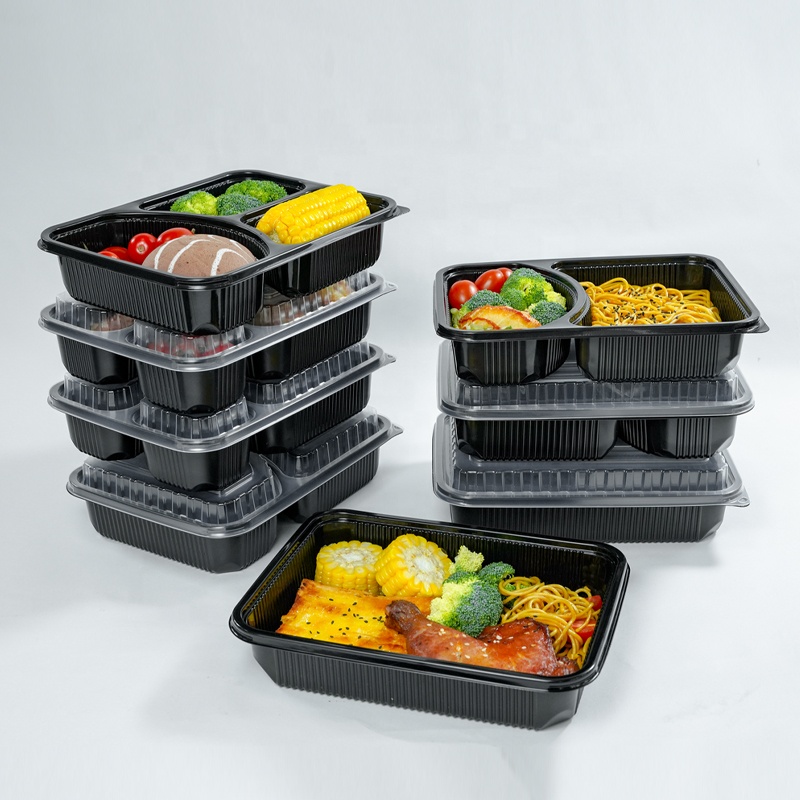

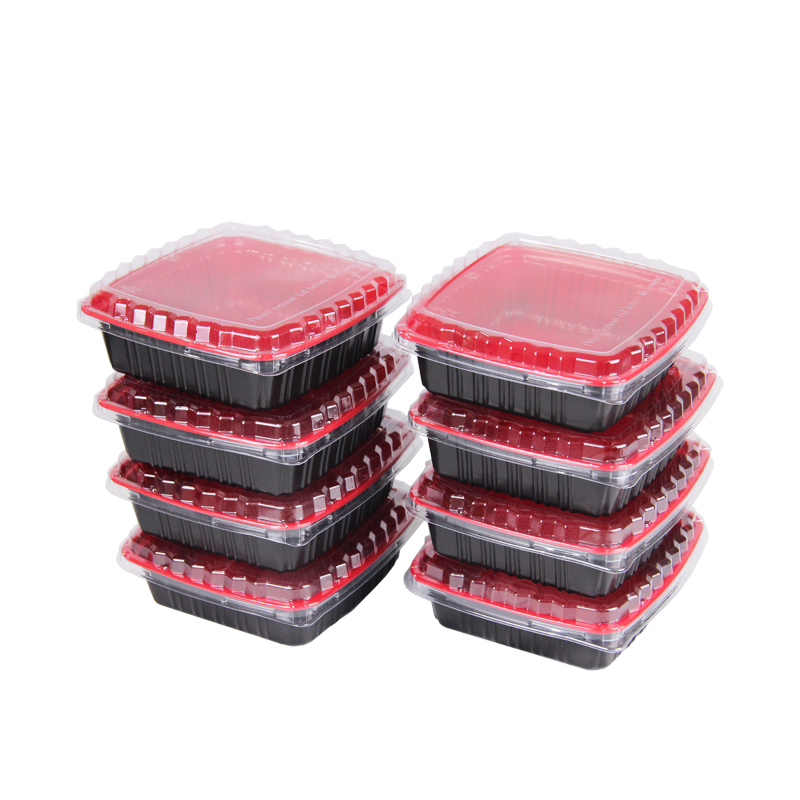
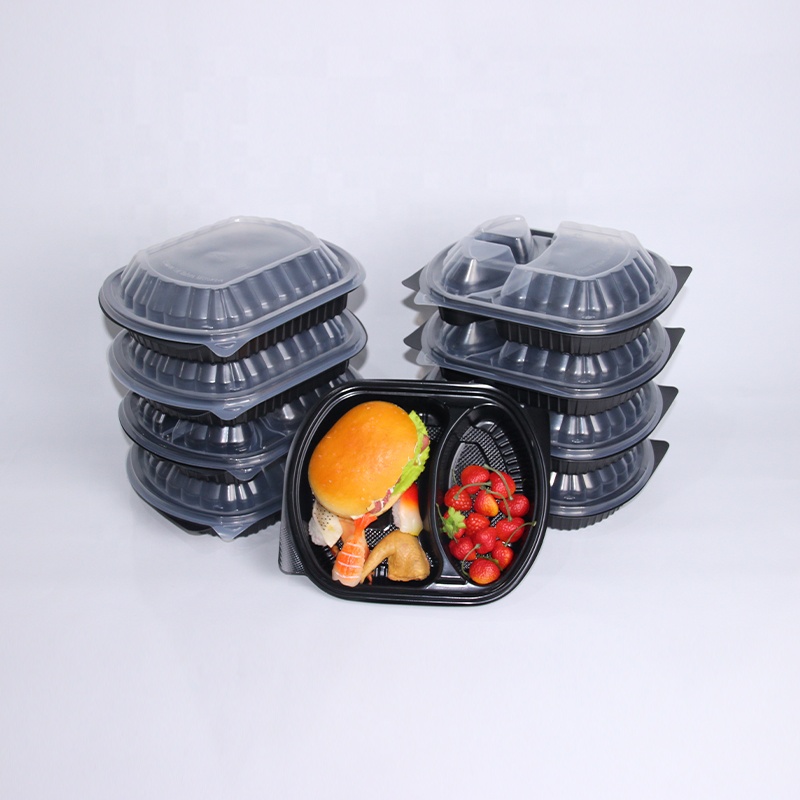
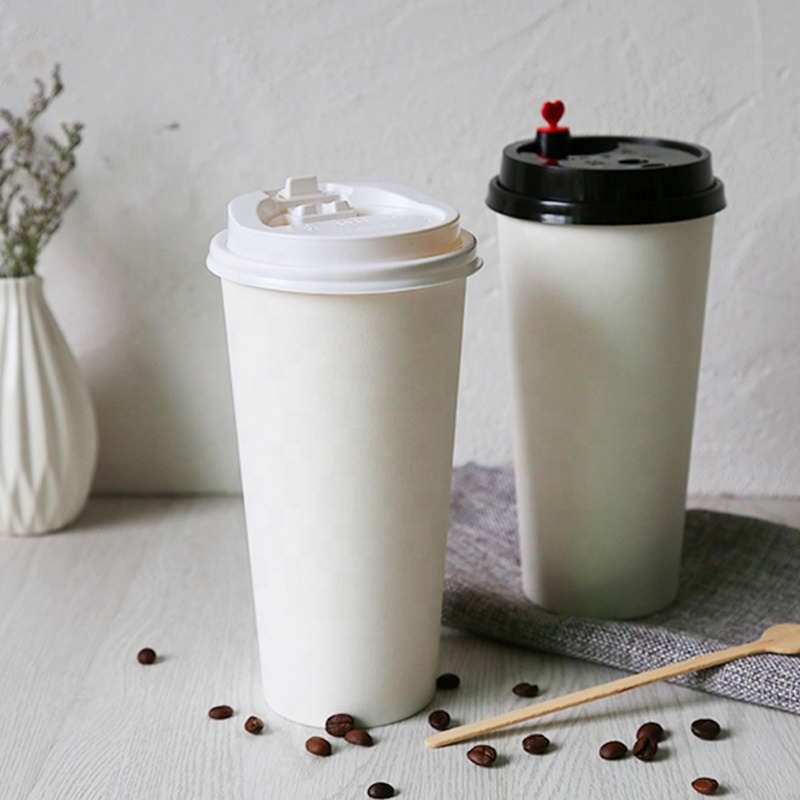


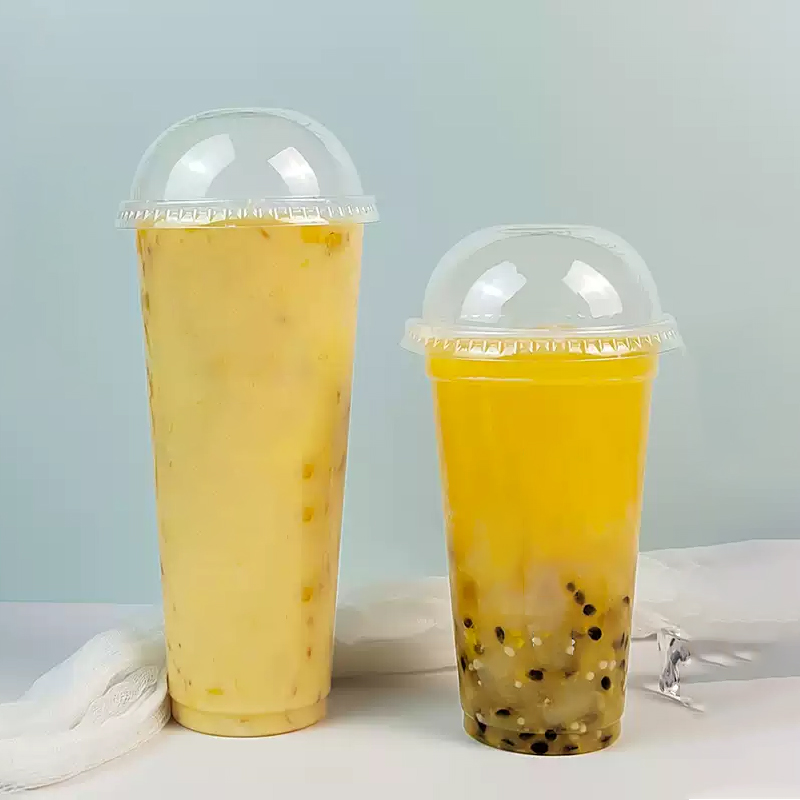
The Global B2B Shift: Next-Generation OEM Reusable Food Containers Manufacturing
The global food service packaging ecosystem is undergoing a seismic structural paradigm shift. Driven by rigorous regulatory frameworks—such as the European Union’s Single-Use Plastics Directive (SUPD), extended producer responsibility (EPR) mandates, and evolving US State-level ESG compliance requirements—commercial buyers, restaurant chains, meal kit delivery providers, and packaging importers are systematically moving away from fragile, single-use containers toward heavy-duty, multi-use, microwavable, and recyclable Polypropylene (PP #5) food packaging systems.
As a premier OEM/ODM factory and exporter headquartered in Guangzhou, China, Guangzhou Gozmen Plastic Products Co., Ltd. stands at the forefront of this industrial transformation. Operating out of an SGS-audited 34,844-square-meter manufacturing complex equipped with over 38 high-precision injection molding and automated thermoforming lines, we process over 50 tons of food-grade virgin polymer daily to engineer high-integrity food containment solutions. Our core engineering objective focuses on solving the critical friction points of modern food delivery: structural thermal stability under extreme reheat environments, hermetic anti-leak seal geometry, stackability during multi-tier transport, and circular reusability economics.
Information Gain Insight for B2B Buyers: Modern enterprise procurement is no longer evaluated on initial unit cost alone. Total Cost of Ownership (TCO) in commercial takeout packaging is governed by structural yield—preventing lid pop-offs, side-wall buckling under thermal stress, and oil penetration during last-mile delivery. High-density PP #5 formulations dramatically reduce damage claims while enabling end-consumers to reuse containers up to 100+ dishwasher cycles.
Material Engineering & Structural Superiority of Polypropylene (PP #5)
Polypropylene (PP #5) remains the gold standard resin for hot food application due to its high crystalline structure, giving it a melting point of approximately 160°C to 165°C (320°F to 329°F). Unlike Polystyrene (PS) or Polyethylene Terephthalate (PET), which deform or leach micro-plastic compounds at temperatures exceeding 70°C, high-purity food-grade PP containers safely withstand operational windows ranging from -20°C (deep freeze) to +120°C (microwave reheating and steam table exposure).
Microwave & Heat Safe
Operates stably up to +120°C without structural warping, lid distortion, or chemical leaching into fat-rich or acidic food matrixes.
Sub-Zero Cryogenic Resistance
Formulated with impact modifiers to prevent cold-brittleness down to -20°C, ensuring safe storage in commercial blast freezers.
Hermetic Leak-Proof Rim
Engineered perimeter snap-fit locking grooves form a dual-stage liquid barrier against heavy sauces, gravies, and soups.
Future Sourcing & Procurement Trends in Food Packaging (2025–2030)
For global packaging procurement managers, brand managers, and commercial distributors, staying ahead of packaging regulation and consumer expectations requires strategic material foresight. Based on market intelligence and internal R&D data from Gozmen’s engineering division, four macro trends are dictating the future of OEM container manufacturing:
1. Transition to Heavy-Wall Reusable Multi-Prep Containers
Consumer preferences have migrated toward meal-prepping and multi-service utility. High-wall-thickness injection-molded containers (0.8mm to 1.2mm wall specs) provide the physical integrity needed to survive 50 to 100 residential dishwasher cycles. By providing a container that doubles as a durable home food-storage vessel, brands significantly elevate their brand perception and customer retention.
2. Modified Atmosphere Packaging (MAP) Integration for Fresh Proteins
In supermarket delis, pre-packaged fresh meats, and central processing kitchens, Modified Atmosphere Packaging (MAP) trays are rapidly replacing traditional styrofoam wrapped in PVC film. Thermoformed PP MAP trays feature ultra-flat sealing flanges designed to bond with barrier lidding films. Replacing internal atmospheric oxygen with nitrogen/CO2 gas mixtures extends fresh meat shelf life from 3 days to over 14 days without chemical preservatives.
3. Circular Bio-PP, PIR, and Mineral-Filled Polyolefin Formulations
To reduce virgin resin reliance without compromising food safety compliance, advanced manufacturers are utilizing calcium carbonate (Talc) mineral reinforcement alongside Bio-based PP derived from waste cooking oils. Calcium-carbonate-filled PP reduces plastic mass by up to 40% while improving container rigidity, thermal resistance, and heat transfer efficiency during microwave cycles.
4. High-Precision In-Mold Labeling (IML) and Digital Anti-Counterfeit Customization
Traditional screen printing is being superseded by automated In-Mold Labeling (IML) technology. During the injection molding cycle, a pre-printed polypropylene label is fused directly into the container wall. The result is a scratch-proof, water-resistant, high-definition visual finish that cannot peel, flake, or contaminate food contents, enabling full custom branding for enterprise clients.
Commercial Packaging Material Selection Matrix
Selecting the optimal container material requires balancing operational performance against economic constraints. The technical comparison matrix below highlights why PP #5 remains the dominant choice for heavy-duty food service applications:
| Performance Attribute | Food-Grade PP #5 (Gozmen Standard) | PET (Polyethylene Terephthalate) | Molded Bagasse / Sugarcane | PS (Expanded Polystyrene) |
|---|---|---|---|---|
| Microwave Reheating (+120°C) | Excellent (No Deformation) | Unsafe (Warps > 65°C) | Moderate (Absorbs Moisture) | Unsafe (Melts/Leaches) |
| Freezer Storage (-20°C) | Excellent (Impact Modified) | Good (Becomes Brittle) | Fair (Weakens over time) | Poor (Cracks easily) |
| Liquid & Oil Barrier | Hermetic / 100% Impermeable | 100% Impermeable | Requires PFAS/Plastic Liner | Porously Degrades over time |
| Multi-Cycle Reusability | High (Dishwasher Safe) | Low (Single-Use Only) | Zero (Single-Use Degrades) | Zero (Fragile) |
| Recyclability & Circularity | 100% Recyclable (Code 5) | 100% Recyclable (Code 1) | Compostable (Needs facility) | Banned in major markets |
Why Partner with Guangzhou Gozmen Plastic Products Co., Ltd.?
Choosing the right OEM/ODM packaging partner is a critical supply-chain decision. Gozmen brings over a decade of direct export experience, serving global food-service leaders, packaging wholesalers, and delivery platforms across North America, Europe, Australia, and the Middle East.
Integrated Manufacturing
We execute high-speed injection molding, thermoforming (blister vacuum forming), and cup forming under one roof, guaranteeing strict tolerance control and competitive pricing.
In-House Quality Control
Every batch undergoes automated optical sorting, side-wall deflection testing, low-temperature impact drops, and seal tightness testing before palletization.
Custom Tooling & OEM Expertise
Our rapid prototyping team delivers 3D mold CAD drawings within 24 hours and physical prototype molds within 7–10 days for custom enterprise designs.
Our plant operates under strict ISO 9001 quality management protocols. Materials utilized are fully compliant with US FDA 21 CFR 177.1520 guidelines, EU No 10/2011 regulations, and LFGB food-contact purity standards, ensuring seamless customs clearance and zero regulatory compliance friction for international importers.