Executive Summary: The Technical Evolution of Clear Deli Packaging
In the rapidly changing global food service sector, selecting the optimal packaging partner for clear deli containers is no longer merely a purchasing decision; it is a critical driver of supply chain resilience, food safety compliance, and brand equity. As demand for takeout, meal preparation kits, and pre-packaged supermarket deli items accelerates globally, wholesale buyers, packaging distributors, and industrial food processors face stringent performance metrics. Modern rigid food containers must deliver crystal-clear optical transparency, extreme thermal resistance ranging from sub-zero freezing (-20°C) to high-temperature microwave reheating (+120°C), and absolute leak-proof hermetic perimeter sealing.
This comprehensive industry whitepaper, authored from the operational perspective of direct manufacturing expertise, evaluates the technical parameters defining the world's leading clear deli container factories and exporters. By analyzing polymer chemistries—specifically Polypropylene (PP #5), Polyethylene Terephthalate (PET), and emerging bio-based alternatives—alongside thin-wall injection molding technology, anti-fog surfactant blooming performance, and seal flange precision, this report serves as an authoritative procurement blueprint for commercial importers worldwide.
Featured Clear & Microwavable Deli Containers
Explore our flagship line of high-clarity, food-grade PP lunch boxes, meal prep containers, and bento trays engineered for modern takeout, delivery kitchens, and food distribution networks.


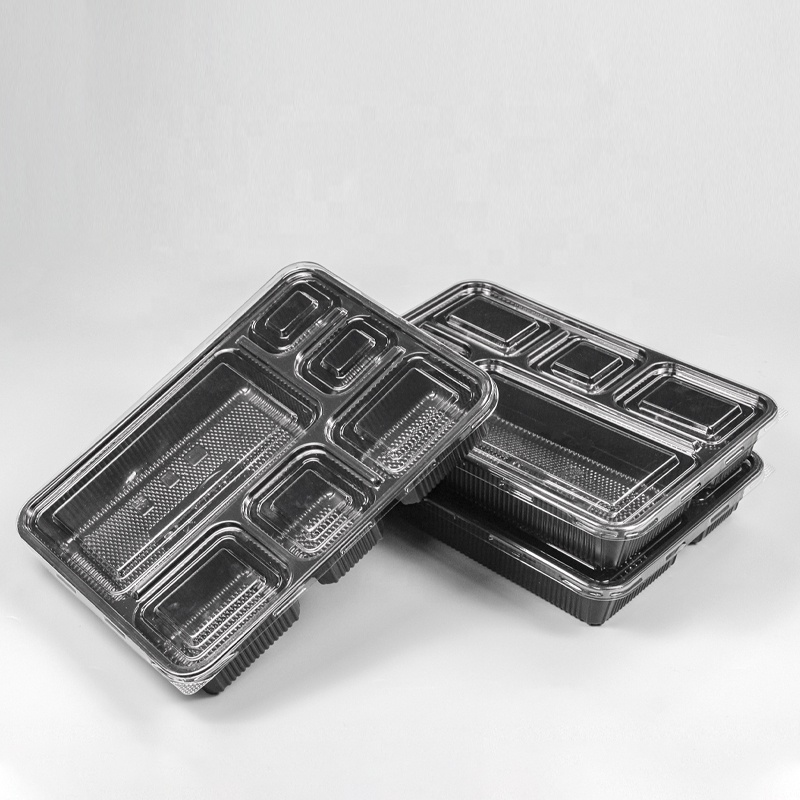
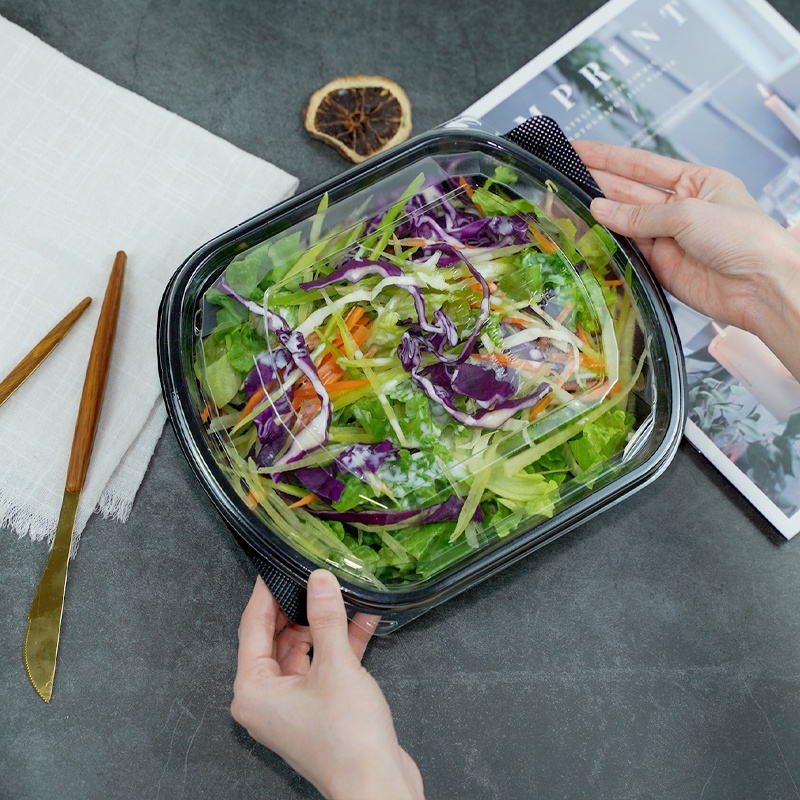


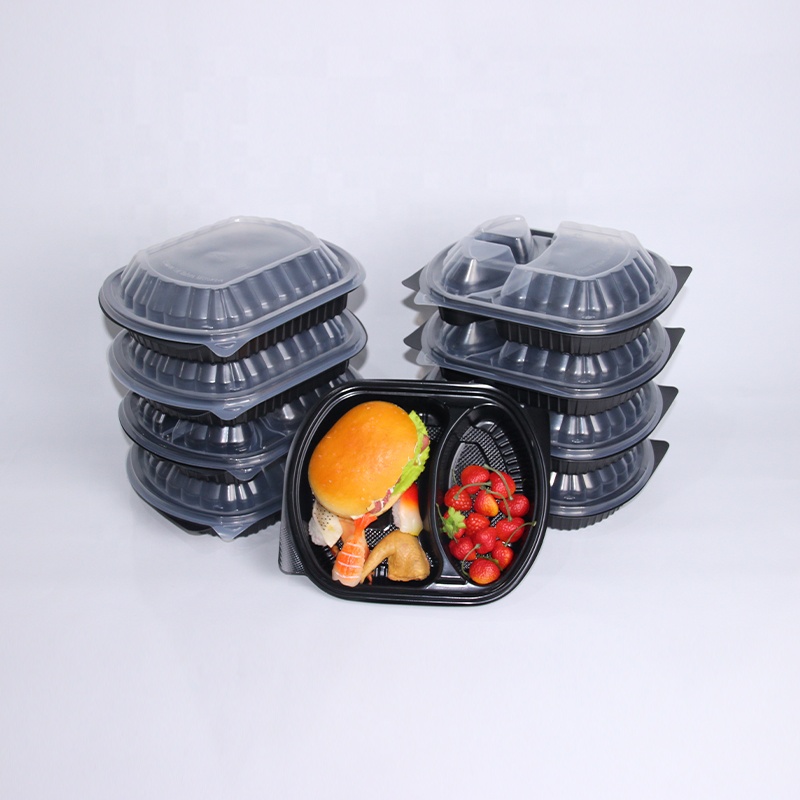
Enterprise Strengths: Guangzhou Gozmen Plastic Products Co., Ltd.
As an industry-leading OEM/ODM manufacturer headquartered in Guangzhou, China, Guangzhou Gozmen Plastic Products Co., Ltd. sets the global standard in high-volume, food-grade rigid plastic packaging manufacturing. Operating from a state-of-the-art 34,844 m² automated facility, Gozmen integrates raw polymer compounding, high-precision injection molding, vacuum thermoforming, and multi-color UV printing under one rigorous quality management architecture.
SGS Onsite Verified Facility
Fully audited and verified onsite by SGS Group. Certified compliance with international quality management systems, food contact safety standards, and global ethical trade protocols (BSCI, ISO 9001, FDA, LFGB).
Advanced Dual Process Lines
Equipped with 38+ automated high-speed production lines combining thin-wall high-clarity injection molding for heavy-duty meal prep containers and blister vacuum thermoforming for high-output MAP food trays.
Proprietary Anti-Leak Rim Design
Engineered with snap-fit double-lock perimeter grooves and acoustic sealing technology, eliminating side-leakage during transit while maintaining easy finger-tab opening ergonomics for end consumers.
Material Engineering: Polypropylene (PP #5) vs. Alternative Polymers
Achieving the ideal synthesis of structural rigidity, impact resistance, and optical clarity requires a deep understanding of polymer chemistry. In the clear deli packaging domain, virgin homopolymer Polypropylene blended with nucleating agents provides superior thermal characteristics compared to amorphous polymers like PET or PS. The table below provides an engineering-grade comparative breakdown to assist commercial buyers in making informed material specification choices.
| Material Type | Thermal Resistance Range | Microwave Reheatability | Optical Clarity | Impact & Freeze Strength | Primary Application Suitability |
|---|---|---|---|---|---|
| Virgin PP (#5) | -20°C to +120°C | Excellent (Safe up to 120°C) | High (Nucleated Clarity) | High (Flexural Fatigue Resistant) | Hot takeout meals, microwavable prep, soups |
| APET (Polyethylene) | -40°C to +60°C | Unsafe (Deforms >60°C) | Ultra-Crystal Clear (90%+) | Medium-High (Brittle at extreme low) | Cold deli salads, cut fruit, cold confectionery |
| CPET (Crystalline PET) | -40°C to +220°C | Dual-Ovenable (Microwave & Conventional) | Opaque / Colored | High Structural Rigidity | Frozen-to-oven ready meals, airline catering |
| Bio-PP / Mineral PP | -20°C to +120°C | Excellent | Translucent to Opaque | Enhanced Stacking Strength | Eco-conscious packaging, reduced resin usage |
Future Sourcing & Procurement Trends in Clear Deli Packaging (2025–2030)
The commercial food packaging landscape is undergoing a structural transition driven by global regulatory mandates, evolving consumer convenience habits, and supply chain automation. Procurement teams evaluating top clear deli container exporters must align their sourcing strategies with several key technological macro-trends:
1. Transition to Monomaterial Recyclability & EU PPWR Compliance
With strict environmental frameworks such as the European Union's Packaging and Packaging Waste Regulation (PPWR) and US state-level Extended Producer Responsibility (EPR) laws taking effect, global buyers are rapidly abandoning multi-layer unrecyclable composites. Polypropylene (#5) has emerged as the premier monomaterial solution due to established mechanical recycling streams, light weighting capabilities, and low carbon footprint during thermoforming. Modern clear deli container factories are embedding up to 30% food-grade recycled PP (rPP) or bio-attributed resins via ISCC PLUS certified mass balance systems without compromising food contact safety.
2. Widespread Adoption of Modified Atmosphere Packaging (MAP)
To minimize food wastage across cold chains, commercial deli packaging is shifting from basic snap-lid containers toward gas-flushable MAP trays. Rigid clear containers engineered with ultra-flat, heat-sealable perimeter flanges enable precise hermetic film sealing. Replacing atmospheric oxygen with nitrogen/carbon dioxide gas mixtures extends fresh deli meat, cheese, and prepared meal shelf-lives by 200% to 400%, reducing supermarket shrink rates dramatically.
3. Precision Lightweighting via Thin-Wall Mold Engineering
Freight optimization and resin material cost control have elevated thin-wall injection molding technology. By utilizing high-melt-flow-rate (MFR) polypropylene resins and high-tonnage robotic molding presses, leading factories like Guangzhou Gozmen achieve wall thickness reductions of 15% to 25% while increasing structural crush resistance via computer-modeled vertical sidewall ribbing.
4. In-Mold Labeling (IML) and High-Speed Custom UV Branding
Generic unbranded packaging is being replaced by custom-branded, high-visual-impact solutions. In-Mold Labeling (IML) integrates polypropylene film labels directly into the container wall during the injection molding cycle, producing a seamless, scratch-resistant, water-proof graphic finish that is 100% recyclable as a single material stream.
Industry Development & Technical Innovation Benchmarks
To maintain a competitive edge, tier-1 clear deli container exporters invest heavily in automated quality control systems and proprietary mold geometries. Key engineering benchmarks every commercial importer should verify include:
Anti-Fog Surfactant Blooming
Hot food packaging often suffers from interior lid condensation, obscuring food visibility. Advanced factories incorporate internal anti-fog additives that bloom to the lid surface, reducing water droplet surface tension into a transparent moisture film.
Stacking Shoulder Stability
Automated food filling lines and third-party delivery transport require high top-load crush strength. Precision-engineered stacking shoulders on container bases prevent nesting jams and allow multi-tier stacking without lid collapse.
Inline Vision System Inspection
High-speed optical camera inspection systems monitor 100% of production output on the line, automatically ejecting units with micro-pinholes, flash burns, lid rim deformations, or particulate contamination.
Purchasing & Sourcing FAQ: Clear Deli Containers
Detailed answers to common procurement, technical specification, and order customization questions asked by global packaging buyers.
Are Gozmen PP clear deli containers safe for high-temperature microwave reheating?
What are the Minimum Order Quantities (MOQs) for standard vs. custom container orders?
How do you ensure zero leakages for soups, gravies, and dressed salads during transport?
What is the difference between injection molded deli containers and thermoformed containers?
Can Guangzhou Gozmen handle full OEM branding, custom colors, and artwork printing?
How can foreign buyers verify factory compliance, trade capacity, and quality standards?
Request Factory Direct Wholesale Pricing & Free Sample Kits
Connect directly with Guangzhou Gozmen's export engineering team. Send us your container specifications, required volume, and target destination to receive a detailed quotation within 12 hours.