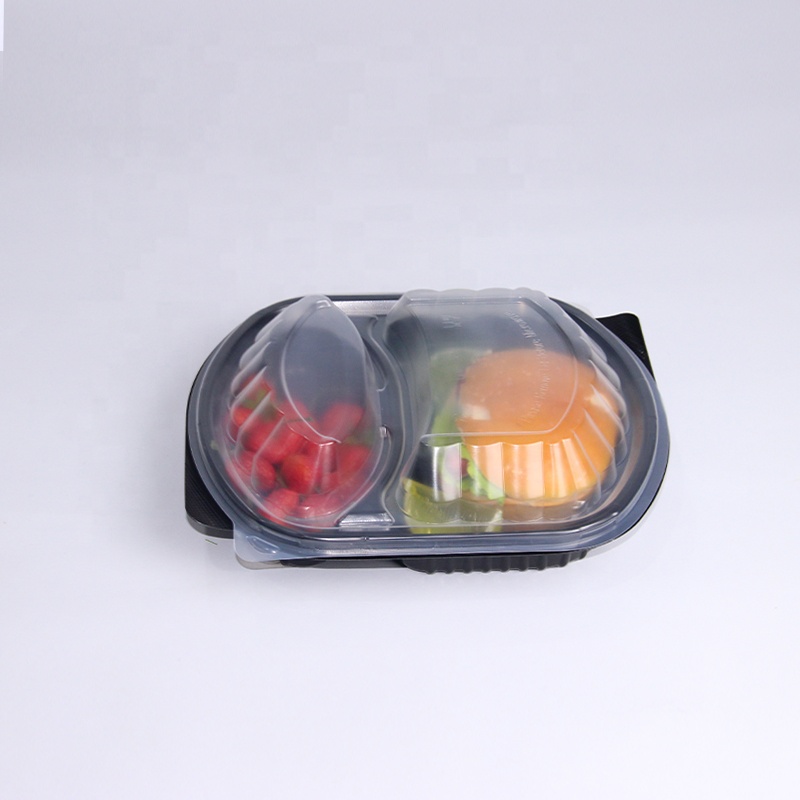
Thermal Range: -20°C to 120°C
Feature: Snap-Lock Leak-Resistant Lid
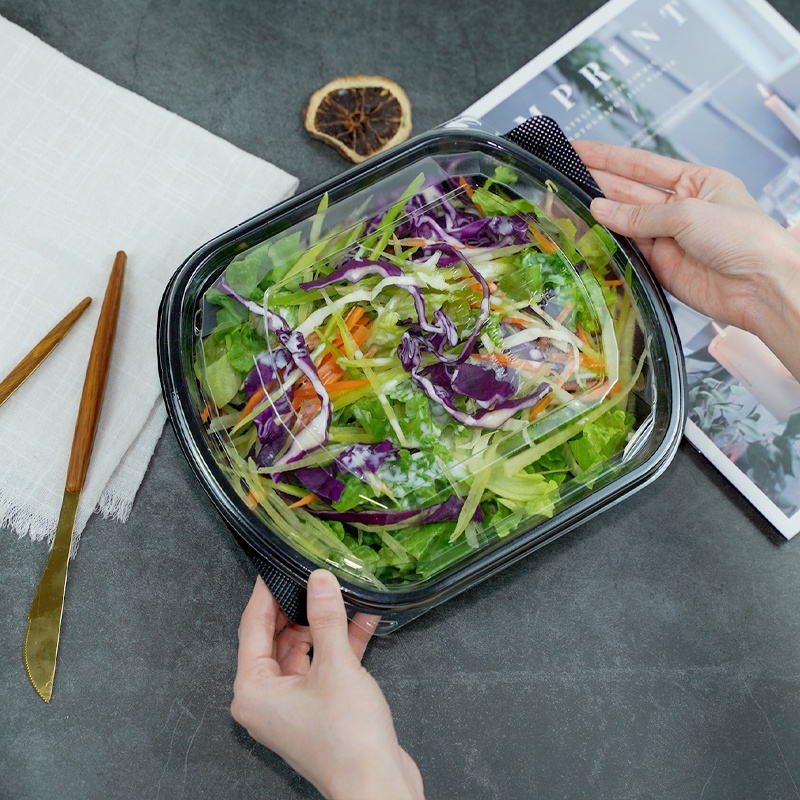
Process: High-Speed Injection Molding
Application: Fast Food & Catering

Safety: BPA-Free & Phthalate-Free
Custom: Logo & Colorways
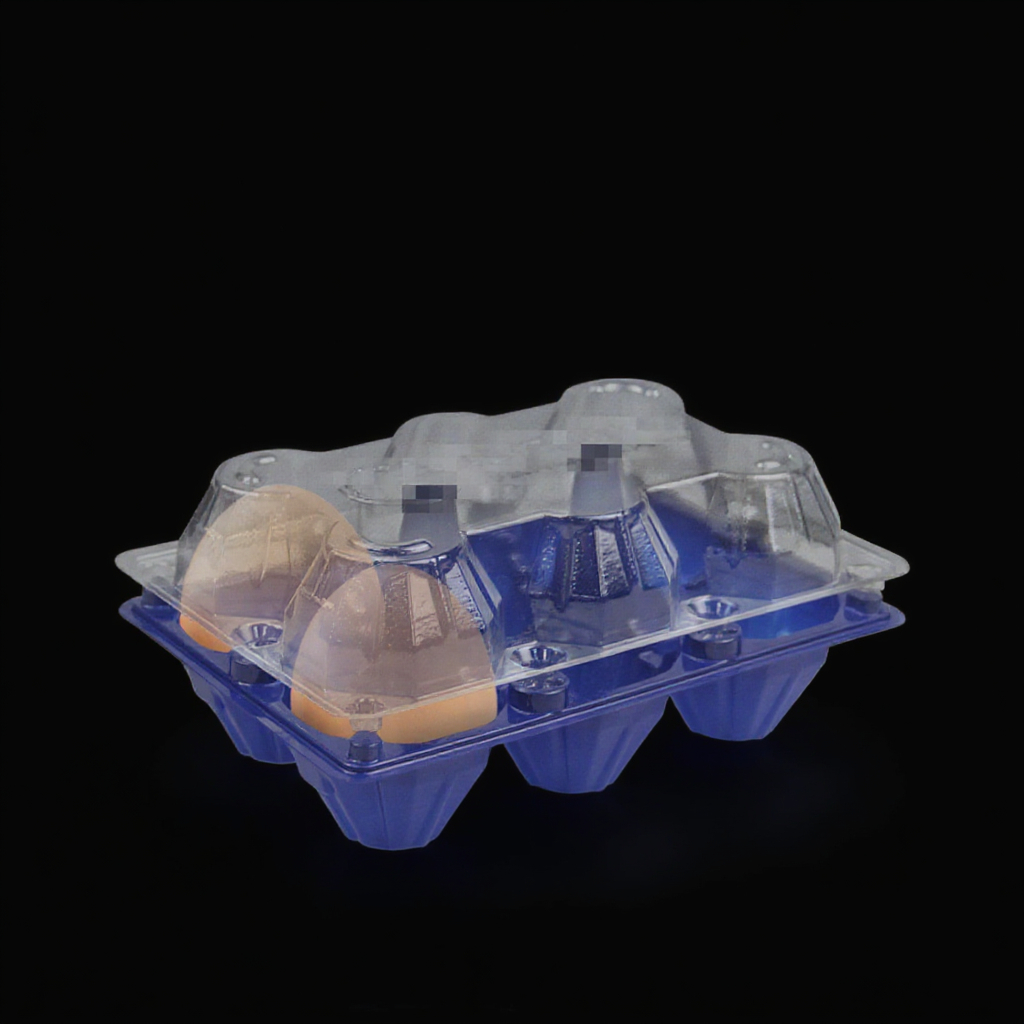
Type: Vacuum Formed Blister Tray
Use: Supermarket Fresh Egg Protection
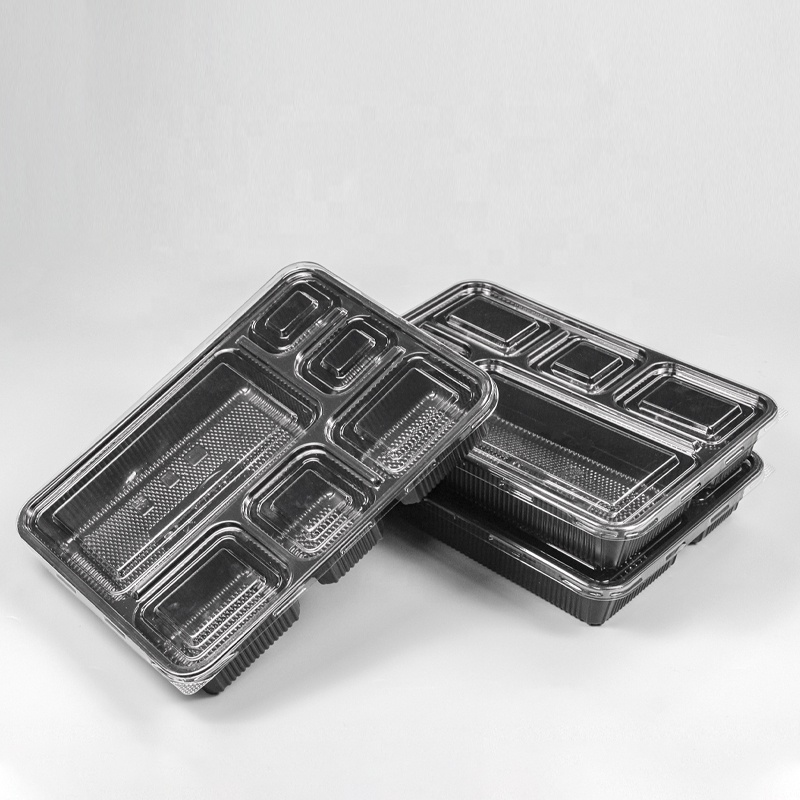
Durability: Freezable & Reheatable
Target: High-End Catering Bento

Sealing: Anti-Fog Transparent Lid
Volume: Balanced Combo Meals
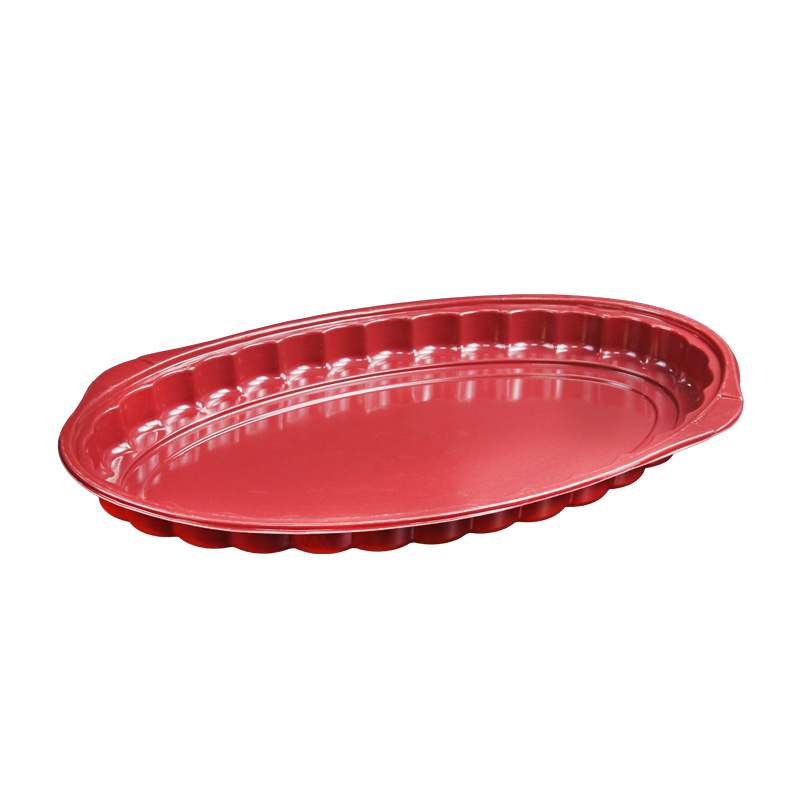
Feature: High Temp Bake/Hot-Fill Ready
Ideal For: Seafood, Poultry & Roasts
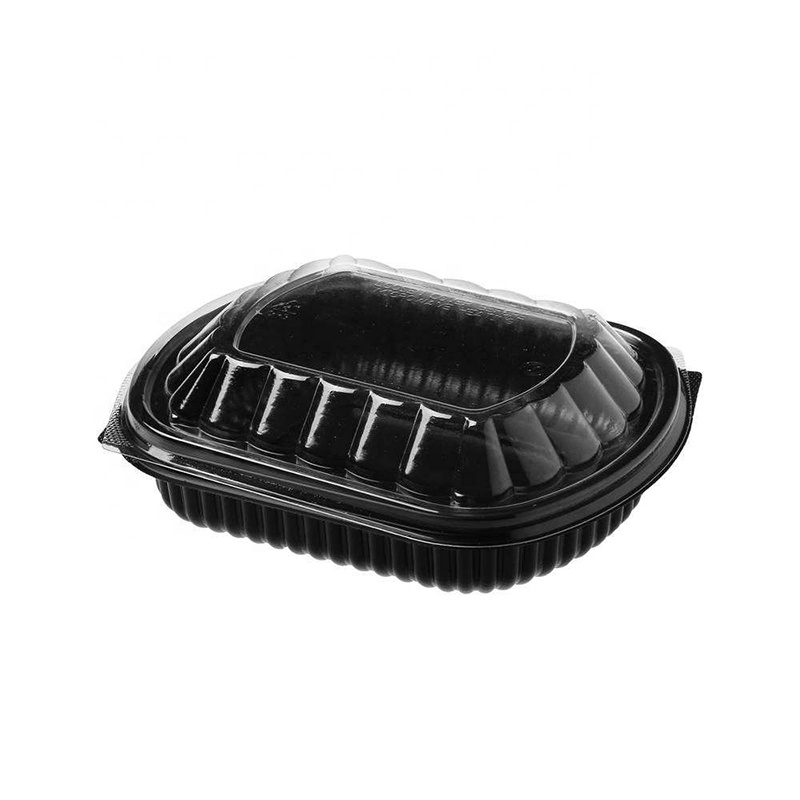
Strength: Reinforced Structural Ribs
Economy: High-Volume Wholesale Pricing
Executive Whitepaper: Strategic Sourcing of Food-Grade Packaging Containers
In the rapidly evolving global food-service, meal delivery, and retail packaging sectors, selecting a certified food-grade container manufacturer is a core strategic decision. Beyond initial unit costs, enterprise procurement teams must navigate strict international food contact regulations, structural integrity during hot-chain transportation, barrier performance, and supply chain auditability.
This comprehensive industry guide analyzes the technical requirements, regulatory frameworks, manufacturing benchmarks, and procurement trends shaping the market for rigid plastic containers, modified atmosphere packaging (MAP) trays, and disposable food service items. Whether sourcing for commercial delivery chains, supermarket prep lines, or multinational distribution networks, evaluating factories against verified technical capabilities is essential to mitigate compliance risks and operational bottlenecks.
Material Science & Regulatory Compliance in Food-Grade Packaging
Safety in food packaging begins at the molecular level. A container designated for food contact must meet rigorous chemical stability and migration testing standards to ensure no harmful substances—such as heavy metals, phthalates, low-molecular-weight oligomers, or bisphenol compounds (BPA)—leach into edible contents under variable thermal conditions.
1. Polypropylene (PP #5): The Industry Standard for Hot-Fill & Microwave Safety
Polypropylene is a semi-crystalline thermoplastic widely utilized across the food-service industry due to its superior heat resistance (melting point around 160°C–165°C), high chemical inertia to fats and acids, and exceptional flexural fatigue resistance.
- Thermal Resistance Range: -20°C (deep freeze stability) up to 120°C (steam heating and microwave reheating).
- Chemical Compliance: Resistant to organic solvents, degreasing agents, and acidic food matrices (pH 2 to 10).
- Structural Rigidity: Engineered with wall-thickness uniformity (typically 0.45mm to 0.75mm) to withstand stacking loads in high-speed takeout logistics.
2. Polyethylene Terephthalate (PET): High Clarity for Fresh Cold-Chain Retail
Where optical transparency is paramount—such as fresh fruit boxes, salad bowls, and cold beverage cups—PET remains the preferred choice. PET exhibits outstanding gas barrier properties (oxygen and CO2 transmission rates significantly lower than standard polyolefins), preserving food freshness and visual appeal on supermarket shelves.
3. Material Comparison Matrix for Enterprise B2B Buyers
| Polymer Type | Thermal Operating Window | Transparency / Optical Clarity | Microwave Compatibility | Primary Industrial Use Cases |
|---|---|---|---|---|
| Polypropylene (PP #5) | -20°C to +120°C | Translucent to Opaque (Colorable) | Excellent (Microwave Safe) | Takeout meal boxes, bento trays, hot soup bowls, MAP trays |
| Polyethylene Terephthalate (PET) | -40°C to +65°C | Ultra-High (Glass-Like Clarity) | Not Suitable (Warps >65°C) | Fresh egg trays, produce clamshells, cold drink cups, deli boxes |
| Crystallized PET (CPET) | -40°C to +200°C | Opaque (Black/White/Custom) | Excellent (Dual-Ovenable) | Ready-to-bake supermarket meals, airline food trays |
| Bio-Based PP / PCR Blends | -20°C to +115°C | Semi-Translucent | Good (Spec Dependent) | Eco-conscious commercial catering, sustainable retail lines |
Evaluation Framework: How Top 10 Manufacturers Are Ranked
Leading global procurement officers do not evaluate suppliers on price alone. To compile an authoritative ranking of the Top 10 Food Grade Container Manufacturers & Factories, technical audits assess six critical manufacturing dimensions:
1. Precision Tooling & Mold Quality
High-cavity injection molds engineered with P20/S136 steel ensure zero flash, exact snap-fit tolerances, and leak-proof lid locks.
2. Quality Certifications (E-E-A-T)
Strict adherence to ISO 9001 quality management, FDA 21 CFR 177.1520 compliance, LFGB European standards, and BSCI social audits.
3. Production Automation & Scale
Fully automated robotic arm take-out systems and inline thermoforming stations minimize human contact and maximize yield consistency.
4. OEM / ODM Customization Depth
In-house R&D capability to execute custom 3D mold CAD design, rapid prototyping within 7 days, and specialized logo offset/UV printing.
5. Seal-Lock & Leakage Engineering
Advanced double-sealing rim geometry preventing liquid spills during high-speed motorcycle delivery and aggressive courier handling.
6. Total Cost of Ownership (TCO)
Direct factory pricing models with optimized carton nesting ratios to cut international sea container freight costs by up to 25%.
Factory Profile Focus: Guangzhou Gozmen Plastic Products Co., Ltd.
Among top-tier Asian food packaging manufacturers, Guangzhou Gozmen Plastic Products Co., Ltd. stands out as an audited OEM/ODM powerhouse. Operating a state-of-the-art facility spanning 34,844 square meters in Guangzhou, Guangdong Province, Gozmen integrates raw virgin resin compounding, high-speed injection molding, precision thermoforming (blister vacuum forming), and automated cup printing lines under unified cleanroom quality management.
Core Manufacturing Advantages & Supply Chain Reliability
- Onsite SGS Verification: Fully audited by SGS Group as a verified custom manufacturer with transparent trade capacity and documented quality management workflows.
- High Output Capacity: Operating over 38 modern automated production lines processing 50+ tons of food-grade virgin resin per day, delivering an excess of 1,000,000 finished pieces daily.
- Intellectual Property & R&D: Holds 3 proprietary design and utility patents covering reinforced structural ribs, leak-resistant perimeter seals, and anti-fog lid lid-locking tabs.
- Integrated Customization: Complete support for custom brand printing (up to 6-color offset and high-clarity UV printing), custom dimensional molds, and tailored masterbatch color matching.
Future Procurement Trends in Food-Grade Containers (2025–2030)
As global environmental legislation tightens and consumer delivery preferences shift toward premium dining at home, enterprise buyers must align their procurement strategies with several macro industry trends:
Trend 1: Modified Atmosphere Packaging (MAP) for Fresh Shelf-Life Extension
Supermarket chains and central prep kitchens are rapidly adopting MAP trays. By flushing container cavities with a precise mixture of nitrogen (N2), carbon dioxide (CO2), and oxygen (O2) before heat-sealing a lidding film, microbial growth is inhibited without chemical preservatives. This extends fresh meat and produce shelf life from 3 days to over 14 days, drastically reducing retail food waste.
Trend 2: Lightweighting via Ultra-Thin Wall Injection Molding (UTWIM)
To meet corporate ESG goals and reduce plastic tax liabilities in Europe and North America, advanced manufacturers are investing in high-speed, high-pressure injection molding equipment capable of molding PP containers with wall thicknesses below 0.40mm without compromising load-bearing stack strength.
Trend 3: Monomaterial Design for 100% Circular Economy Integration
Historical packaging combined PP bases with PS or PVC clear lids, creating sorting challenges at recycling facilities. Modern enterprise procurement mandates monomaterial construction—pairing PP containers with anti-fog oriented PP (OPP) lids or clear PP snap-on caps—ensuring 100% recyclability in Category 5 streams.
Trend 4: Smart Anti-Fog & Heat-Ventilation Lid Architectures
Delivering hot meals without soggy food texture requires science-backed ventilation. Next-generation takeaway packaging incorporates internal anti-fog additives in the resin matrix alongside micro-perforated or steam-release valve caps that vent excess vapor while retaining core dish temperatures during transport.
Key Technical Development & Material Innovation Trends
The rigid plastic food container sector is witnessing accelerated technical upgrades:
| Innovation Vector | Technical Mechanism | Commercial Advantage for Buyers |
|---|---|---|
| Barrier Co-Extrusion (EVOH Layer) | Multi-layer PP/EVOH/PP sheet thermoforming | Prevents oxygen ingress; eliminates need for refrigeration in shelf-stable meals. |
| Post-Consumer Recycled (PCR) Integration | EFSA & FDA approved de-contamination processes for food-contact rPET/rPP | Fulfills mandatory 25%+ recycled content regulations in key Western markets. |
| High-Efficiency Nesting Geometry | Draft angle optimization (3° to 5° sidewall taper) | Increases units per shipping carton by 20–30%, lowering ocean container costs. |
| Nanocomposite Clarifiers | Third-generation nucleating agents added to PP melt | Achieves PET-like visual transparency combined with full PP microwaveability. |