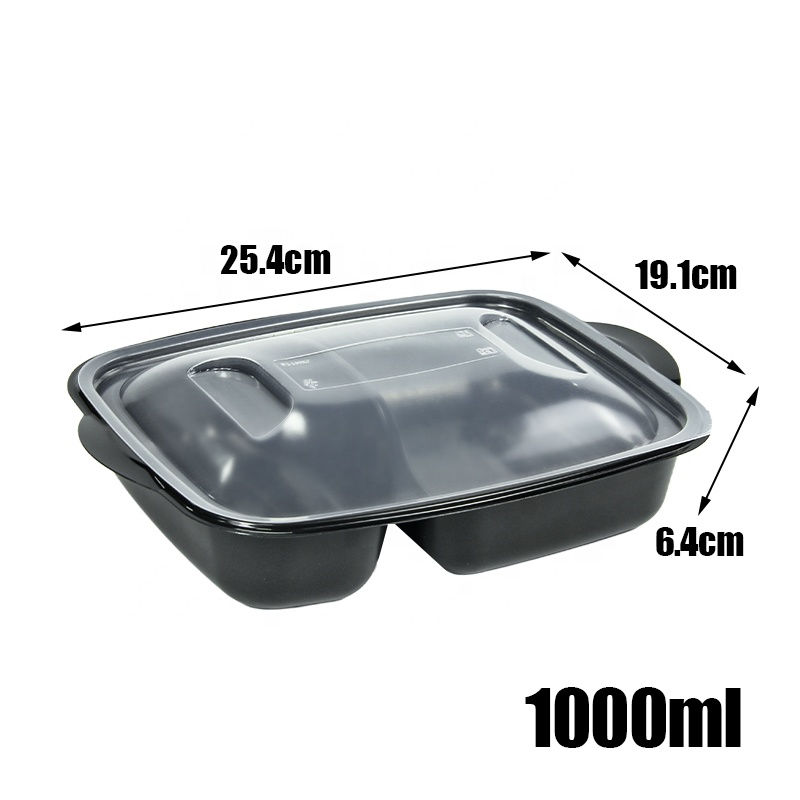
Featured Commercial Meal Prep Containers & Packaging Solutions
Engineered for high-throughput food prep, delivery platforms, and wholesale distribution. Fully certified food-grade PP #5 containers manufactured under rigorous quality control standards.
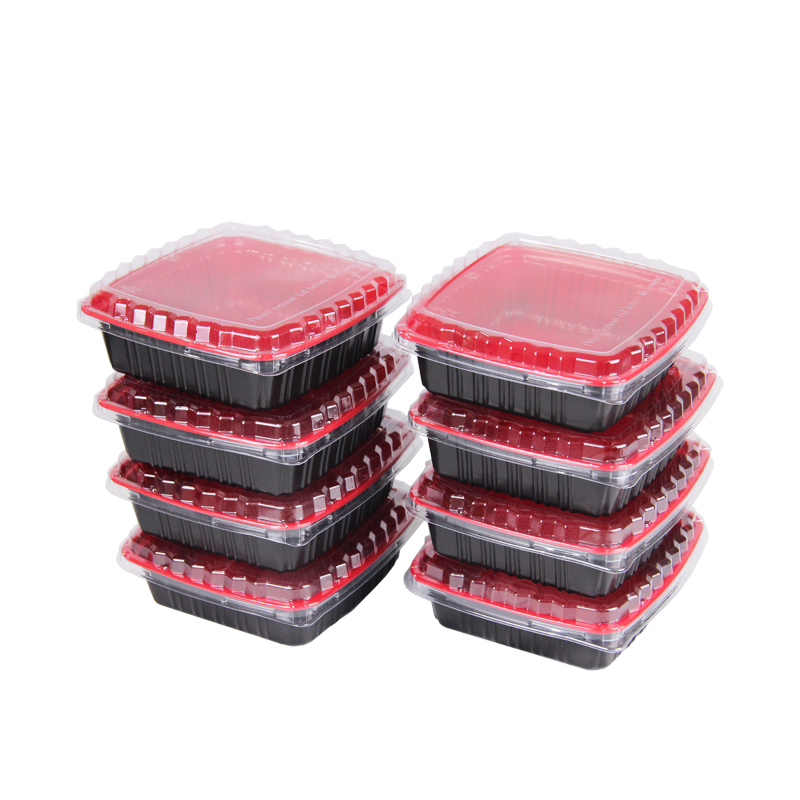


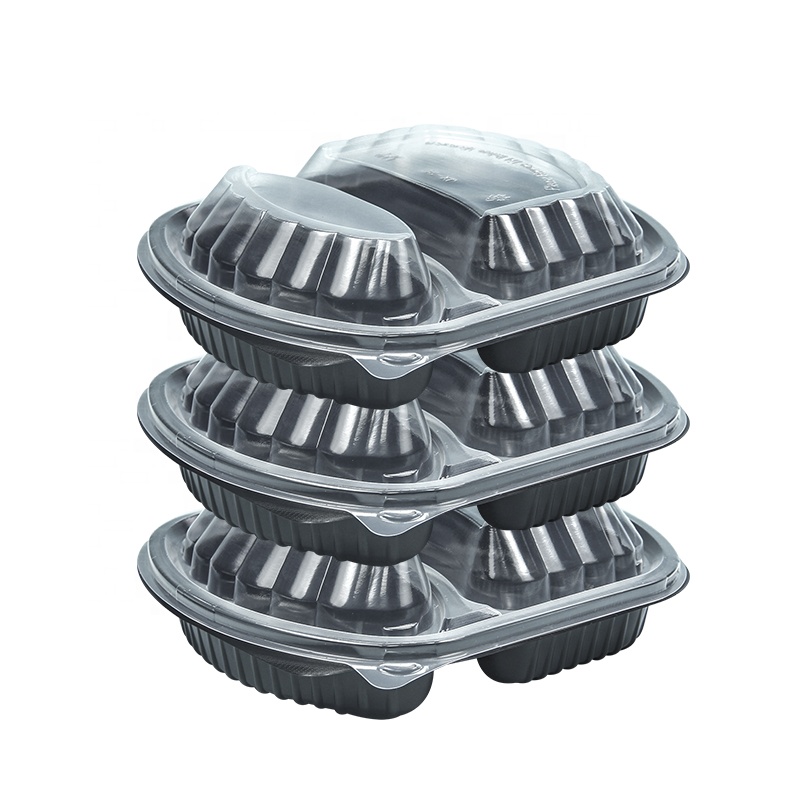

Executive Sourcing Intelligence: The Global Meal Prep Container Market Overview
The global food preparation and takeaway container market has entered a transformative era driven by changing consumer lifestyles, the explosive growth of meal subscription services, ghost kitchens, and strict regulatory standards surrounding food safety and environmental impact. Commercial buyers—ranging from regional food service distributors to national meal kit brands—face complex procurement choices. Selecting the optimal supplier requires balancing chemical compliance, mechanical structural integrity, thermal resistance, supply chain reliability, and unit economics.
Polypropylene (PP #5) has cemented its status as the industry standard polymer for hot takeout, microwave reheating, and cold-chain meal storage. Exhibiting exceptional thermal stability from -20°C to 120°C, high flexural fatigue resistance, and absolute chemical inertness against acidic and lipid-heavy food formulas, PP containers outperform alternative materials such as PET, PS, or untreated paperboard in demanding commercial applications.
Key Information Gain: Thermal Deflection & Dynamic Stacking Index
Advanced high-clarity PP compounds engineered with nucleating agents achieve a Heat Deflection Temperature (HDT) exceeding 115°C under 0.45 MPa stress. This prevents side-wall buckling during hot oil filling and high-load stacking in automated last-mile delivery vectors.
Top 10 Meal Prep Containers Suppliers & Manufacturers Evaluation Matrix
When assessing global manufacturers and supply chain partners for commercial meal prep packaging, procurement teams must evaluate structural engineering capability, tooling precision, regulatory compliance, and raw material purity. Below is an architectural overview of top tier global suppliers and verified manufacturing leaders specializing in high-volume food container production.
Tier-1 China Manufacturing Hubs
Exemplified by integrated plants like Guangzhou Gozmen Plastic Products Co., Ltd., featuring massive 34,844 m² automated footprints, low unit production costs, rapid custom tooling, and high volume scalability.
North American & European Converters
Focusing primarily on localized distribution networks, specialized bio-composite resins, and regional regulatory fulfillment (such as EU PPWR compliance), though carrying significantly higher unit capital requirements.
Specialized Thermoforming Plants
Engineered for high-speed, thin-wall modified atmosphere packaging (MAP) trays, blister film heat sealing, and rapid roll-fed high-volume agricultural food packaging lines.
| Supplier Classification | Primary Production Tech | Material Focus | Lead Time (Custom) | Key Advantage |
|---|---|---|---|---|
| Guangzhou Gozmen (China) | Thin-Wall Injection & Thermoforming | 100% Virgin PP #5 / Clear PP | 10–15 Days | Factory Direct, SGS Verified, Integrated OEM Custom Tooling |
| North American National Converters | Standard Injection Molding | Recycled PP / Mineral-Filled PP | 30–45 Days | Local Freight Radius, Established Domestic Warehousing |
| European Packaging Specialists | Multilayer Co-extrusion MAP | Mono-PP / Bio-PP Polymers | 25–40 Days | Strict EU Single-Use Plastic Directive (SUPD) Compliance |
| Southeast Asian Suppliers | Blister Vacuum Forming | Thin PET / Basic PP | 20–30 Days | Competitive Base Labor Cost for Simple Geometry Trays |
Critical Engineering & Sourcing Selection Criteria for Commercial Buyers
Navigating bulk procurement of meal prep containers requires strict technical evaluation beyond aesthetic design. A structural failure in transport or chemical leaching during heating can cause severe brand damage for food brands. High-performing procurement strategies focus on five essential engineering parameters:
1. Hermetic Leak-Proof Rim Geometry
Preventing cross-contamination and liquid spills during courier delivery demands precise perimeter locking mechanics. Premium meal prep containers feature a dual-channel snap-lock lid track. When pressed, the flexible male perimeter ridge on the lid engages the rigid female recess of the container base with an audible tactile click, establishing a liquid-tight seal capable of resisting pressure surges caused by steam generation during microwave heating.
2. Wall Thickness Uniformity and Radial Load Capacity
Thin-wall injection molding requires high-tonnage clamping pressure and ultra-smooth resin flow paths. Non-uniform wall thickness creates thermal stress points, leading to warpage when microwaved or brittleness when frozen down to -20°C. High-quality suppliers utilize high-speed side-entry robotics and dynamic mold temp controllers to ensure wall tolerance consistency within ±0.03mm, enabling static stack loads exceeding 15kg per carton.
3. Material Purity: Virgin Polypropylene vs. Regrind
Food contact safety is non-negotiable. 100% virgin polypropylene (PP #5) ensures complete freedom from Heavy Metals, Bisphenol A (BPA), and Phthalates. While post-industrial regrind is permissible in non-food outer structural components, food-contact cavities must strictly use virgin resin complying with FDA 21 CFR 177.1520 and EU Regulation No 10/2011 standard overall migration limits (OML < 10mg/dm²).
Regulatory Compliance Alert: Heavy Metal & PFAS Testing
Global regulatory bodies require verified lab testing (SGS/Intertek) verifying zero Per- and polyfluoroalkyl substances (PFAS) intentionally added as mold release agents or grease-proofing barriers in plastic food containers.
Future Sourcing & Technology Trends (2025–2030)
The disposable food packaging landscape is advancing rapidly. Procurement directors must align with forward-looking manufacturers investing in next-generation technology:
1. Modified Atmosphere Packaging (MAP) Integration
Transitioning from basic snap-lid containers to rigid PP MAP trays with flat seal flanges. Replacing ambient air with a gas blend (N₂/CO₂) extends food shelf life from 3 days to 14+ days without chemical preservatives.
2. Anti-Fog Crystal Lidding Technology
Anti-fog surfactants blended directly into the container lid or lidding film prevent condensation droplets from forming on transparent lids, maintaining crystal-clear product visibility in retail display cases.
3. In-Mold Labeling (IML) Automation
Replacing traditional post-mold sticky labels with automated IML printing. The polypropylene label fuses seamlessly into the container wall during injection, producing vibrant 360-degree graphics that are waterproof and scratch-proof.
4. Bio-PP & Mineral Lightweighting Compounds
Incorporating bio-based feedstocks or micronized calcium carbonate (CaCO₃) mineral fillers up to 40% reduces reliance on fossil-based plastics while accelerating biodegradation pathways in modern recycling systems.
Enterprise Advantage: Guangzhou Gozmen Plastic Products Co., Ltd.
As a verified premier manufacturer headquartered in Guangzhou, China, Guangzhou Gozmen Plastic Products Co., Ltd. stands out as a dependable supply partner for global distributors, supermarket chains, and food service brands. By integrating mold engineering, thin-wall injection molding, thermoforming, and custom logo printing under one roof, Gozmen provides factory-direct consistency and supply chain security.
34,844 m² Integrated Manufacturing Base
Our expansive facility houses over 38 automated production lines operating in clean room environments, delivering a daily capacity exceeding 1,000,000 container units.
SGS Onsite Verified & Global Compliance
Assessed and verified onsite by SGS Group. Fully certified ISO 9001 quality management systems, FDA food-contact compliance, LFGB testing, and BSCI audit authorization.
In-House Tooling & Custom OEM/ODM
Rapid precision mold tooling design. We support sample-based and artwork-based custom container development, with prototype physical samples delivered in as fast as 7 days.
Advanced UV Printing & Custom Packaging
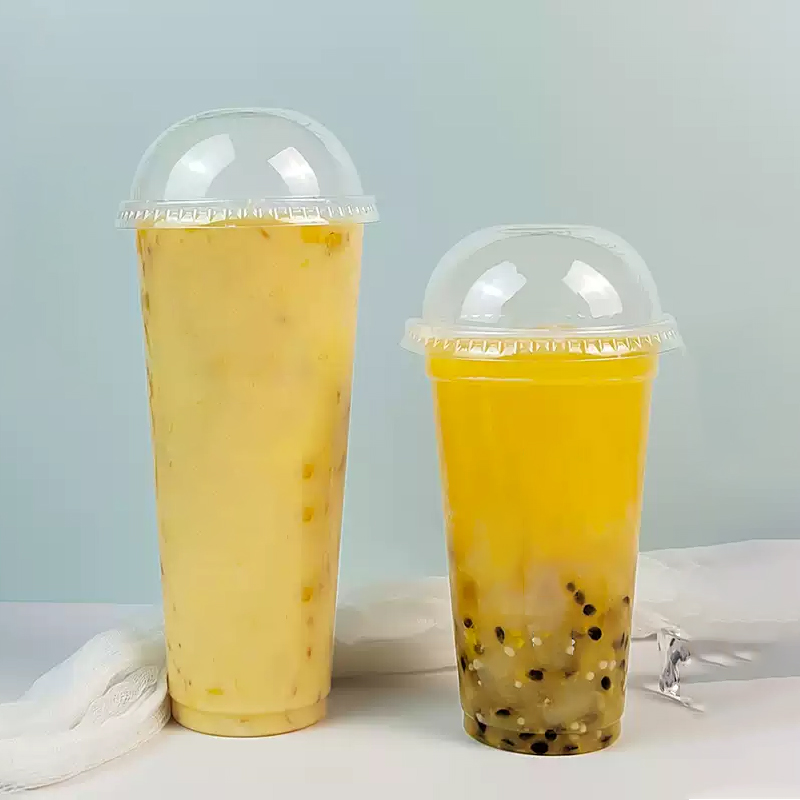
Equipped with high-resolution UV printing technology for clear PP beverage cups and lunch box lids, supporting custom barcoding, master carton branding, and retail packaging inserts.
Commercial Buyer FAQs & Technical Guidance
Expert answers to common engineering, procurement, and compliance questions regarding disposable PP meal prep containers.
Are Gozmen PP food containers fully microwave safe and heat resistant?
Yes. All Gozmen lunch boxes and meal prep containers are precision molded from 100% food-grade Polypropylene (PP #5). This polymer exhibits excellent thermal stability across service temperatures ranging from -20°C (-4°F) for frozen storage up to 120°C (248°F) for microwave reheating and hot food filling. Lids designed with steam release vents can remain loosely placed during reheating. Always ensure non-microwavable lidding films or non-PP lids are removed prior to heating.
What are your minimum order quantities (MOQ) for standard vs. custom printed orders?
For standard stock mold containers (black/clear single or multi-compartment boxes), our baseline Minimum Order Quantity (MOQ) typically ranges from 3,000 to 10,000 units depending on container volume. For custom logo UV printing on clear PP cups or customized carton artwork, MOQ starts at 5,000 to 10,000 units. Custom mold development for unique dimensions or specialized cavity designs requires a project evaluation with customized MOQ terms.
What is the structural advantage of a Modified Atmosphere Packaging (MAP) Tray?
A MAP tray is engineered with a ultra-flat continuous sealing flange designed to form a hermetic heat seal with barrier lidding films. After inserting fresh food, ambient air inside the tray is evacuated and replaced with an optimized food-grade gas mixture (typically Nitrogen and Carbon Dioxide). This process inhibits aerobic bacterial growth and oxidation, significantly extending the fresh shelf life of raw meats, poultry, seafood, and pre-cut vegetables without chemical additives.
How does Gozmen ensure quality control and prevent lid leakage during freight?
We execute strict inline quality inspection protocols following ISO 2859-1 AQL standards. Every batch undergoes automated vision inspection for flash and wall uniformity, standardized drop testing from 1.5 meters under frozen conditions, and vacuum chamber leakage tests for snap-lock lid sealing integrity. Furthermore, exported goods are packed in heavy-duty 5-ply corrugated master cartons reinforced to withstand long-haul ocean container transit.
How can global buyers verify Guangzhou Gozmen as a reliable manufacturer?
Gozmen has been verified onsite by the SGS Group as a genuine Custom Manufacturer. Global procurement officers can inspect our verified assessment reports, trade transaction histories, credit index metrics, and 5.0/5 star verified buyer reviews directly through our digital portal or request physical factory video tours and sample evaluation kits prior to issuing purchase orders.
Partner with a Leading Meal Prep Container Manufacturer
Whether you need high-volume supply for an established distribution network or custom OEM tooling for a new food brand, our technical export team is ready to assist with specs, sample kits, and factory-direct quotes.