Featured Rigid Packaging & Container Solutions
Verified factory-direct takeaway containers, microwavable bento boxes, and precision-molded PET/PP food packaging solutions.
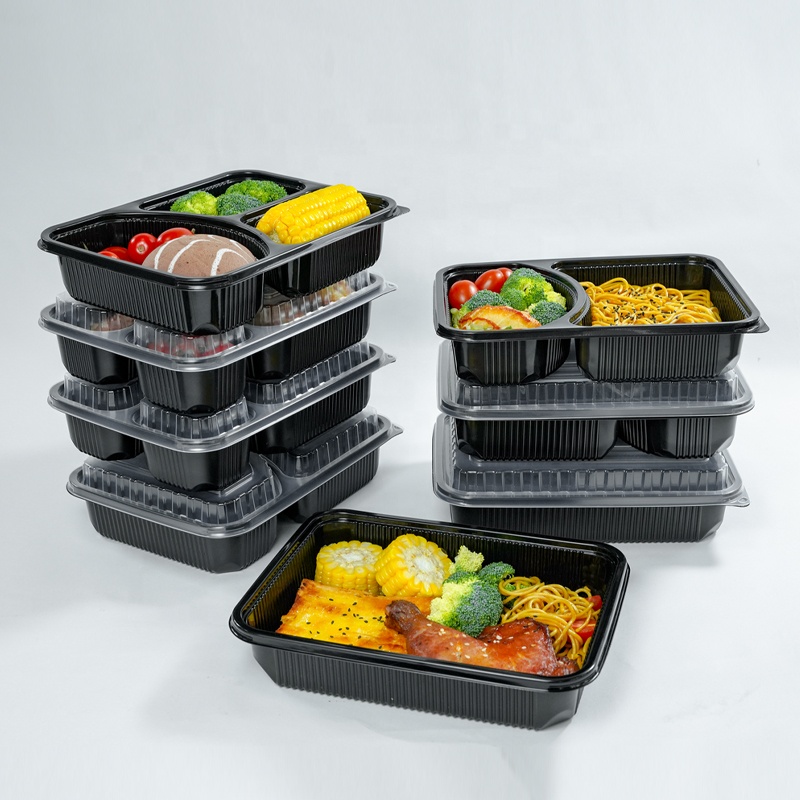

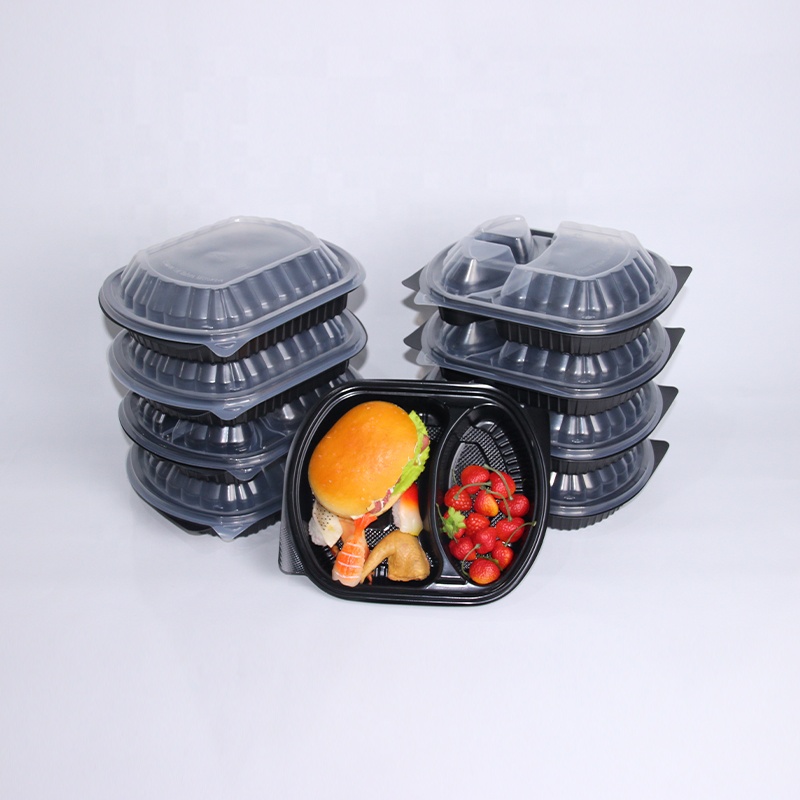
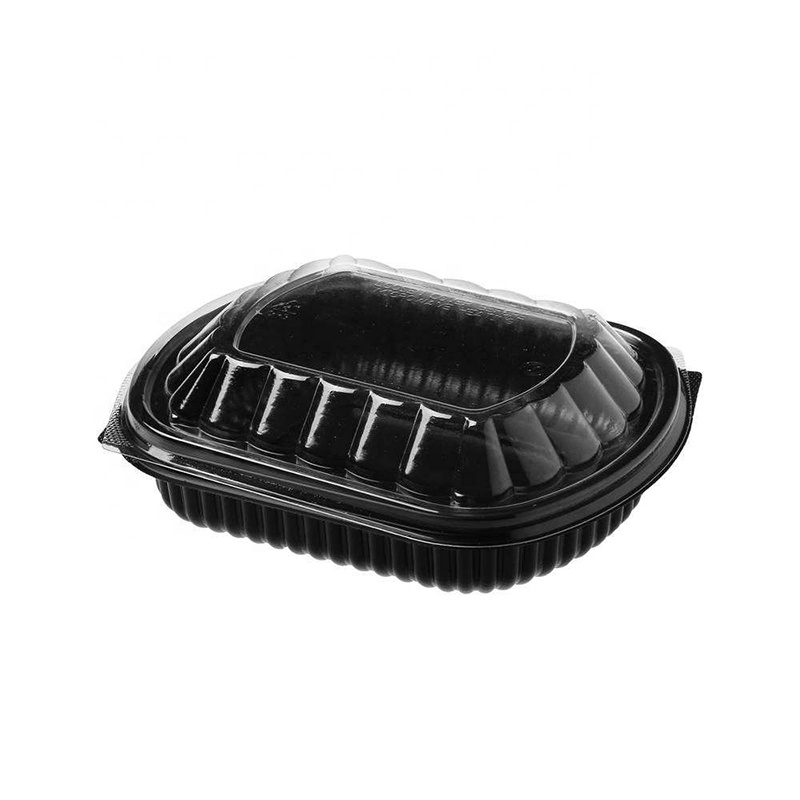

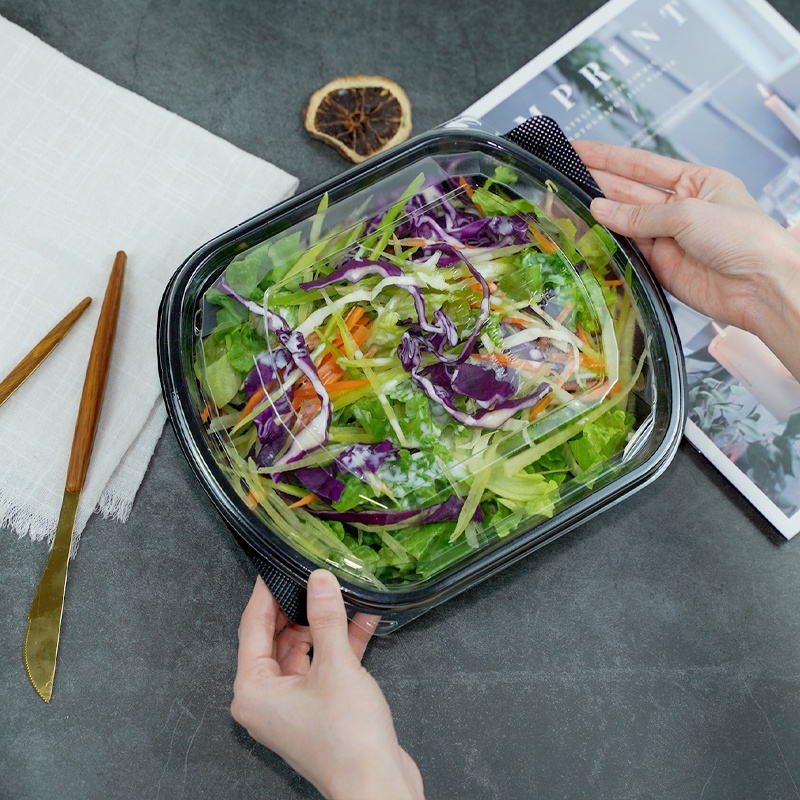

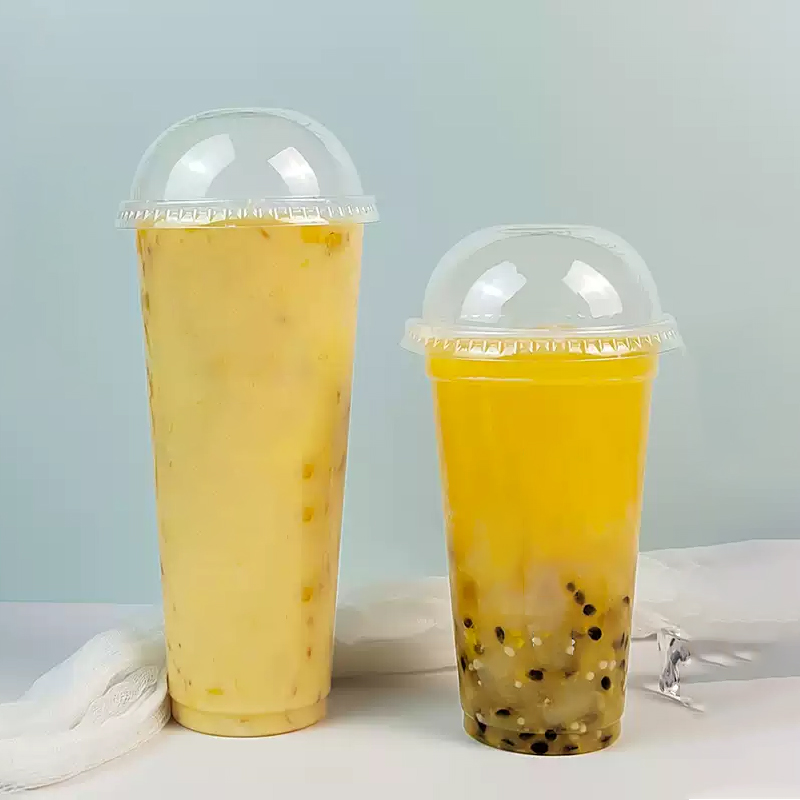
1. Executive Summary & Global Procurement Landscape for PET/PP Food Packaging
The global rigid food container market is undergoing a structural paradigm shift driven by stringent food-contact safety mandates (FDA 21 CFR 177.1630 and EU Regulation 10/2011), rapid expansion of cold-chain logistics, and heightened consumer demand for meal-prep and off-premise delivery packaging. As enterprise procurement directors, packaging engineers, and wholesale distributors source high-volume clear and microwavable food containers, evaluating vendors purely on unit price introduces catastrophic risks—including flange deformation, stack-seal failures, high Oxygen Transmission Rates (OTR), and non-compliance with post-consumer recycled (rPET) content regulations.
Polyethylene Terephthalate (PET) and its thermal variant Polypropylene (PP) represent over 78% of the global rigid takeaway container production. While Amorphous PET (APET) dominates clear produce clamshells, deli trays, and cold beverage cups due to its glass-like clarity (light transmission >90%) and superior gas barrier performance, Polypropylene (PP #5) remains the gold standard for hot-fill, microwavable bento boxes, and heavy-duty meal-prep packaging operating between -20°C and 120°C.
Technical Material Comparison: Polymer Selection Matrix
| Polymer Type | Clarity / Transparency | Temp Resistance Range | Oxygen Transmission (OTR) | Microwave / Oven Safe | Primary Commercial Use |
|---|---|---|---|---|---|
| APET (Amorphous PET) | Ultra-High (>90%) | -40°C to +60°C | Low (45-75 cm³/m²/day) | No | Cold salads, deli cups, fresh fruit clamshells |
| CPET (Crystallized PET) | Opaque / Black | -40°C to +220°C | Very Low (<20 cm³/m²/day) | Dual-Ovenable (Oven & Micro) | Ready-meals, airline catering, bakery trays |
| PP (Polypropylene #5) | Semi-Clear / Translucent | -20°C to +120°C | Moderate (1500-2000 cm³/m²/day) | Microwave Safe | Hot takeout, meal prep, soups, bento boxes |
| PP + Mineral (Talced) | Opaque Matte | -20°C to +130°C | Moderate-Low | Microwave Safe (Enhanced Stiffness) | Heavy-duty catering boxes, snap-lock trays |
2. Top 10 PET & Rigid Plastic Food Container Manufacturers & Suppliers
Our research directorate evaluated over 120 global converters based on manufacturing footprint, cleanroom standards, mold cavity precision, supply chain transparency, and E-E-A-T audit criteria. Below are the definitive top 10 suppliers for 2025.
Overview & Core Competencies: Operating out of a massive 34,844 m² facility in Guangzhou, China, Guangzhou Gozmen Plastic Products Co., Ltd. is an industry-leading OEM/ODM converter specializing in food-grade injection-molded PP containers, high-speed thermoformed APET/PP packaging, MAP (Modified Atmosphere Packaging) trays, and custom-printed beverage cups. Operating 38+ automated production lines with a daily output surpassing 1,000,000 units, Gozmen integrates mold maintenance, raw material compounding, and automated visual inspection systems under a strict ISO 9001 and food-contact compliance protocol.
Key Advantages for Enterprise Buyers: Gozmen excels in engineering leak-proof, high-clarity lid snaps and structural ribbing that prevents vertical stacking crush during multi-tiered delivery logistics. Offering both standard inventory molds (MOQs starting from 3,000-10,000 pcs) and full bespoke mold development with fast sampling turnaround, they provide global food brands and packaging distributors direct-from-factory pricing without middleman markups.
Amcor is a global giant in food packaging design, operating extensive facilities across North America, Europe, and Asia-Pacific. Specializing in technical PET preforms, thermoformed container systems, and high-barrier shelf-stable packaging, Amcor serves major multinational FMCG brands with strict sustainability requirements and post-consumer recycled content (rPET) integrations.
Headquartered in Michigan, USA, Dart Container manufactures a wide array of food service packaging products, including the popular Solo brand line. Their PET portfolio includes clear hinged clamshells, tamper-evident food containers, and deli tubs equipped with perimeter seal technology designed to lock in moisture and freshness.
Pactiv Evergreen is one of the largest manufacturers of fresh food and beverage packaging in North America. Their rigid plastic container division engineers APET salad bowls, dual-color PP microwavable trays, and leak-resistant takeout containers catered specifically to commercial restaurant chains, supermarkets, and food processors.
Based in Denmark, Faerch is an innovator in rigid food packaging across Europe, famous for introducing tray-to-tray recycling programs. Their CPET and MAP food container solutions dominate the European ready-meal sector, featuring integrated top-seal lidding film compatibility and high percentage circular rPET resin usage.
Placon is a US-based designer and thermoformer of custom and stock plastic packaging for food, retail, and medical markets. Utilizing EcoStar post-consumer recycled PET flake from recycled bottles and thermoforms, Placon provides eco-conscious tamper-evident containers and tiered food displays.
Genpak manufactures a diverse line of disposable food packaging, including their harvest fiber lines and clear APET bakery and deli containers. Known for crisp optical clarity and rigid perimeter stacking rims, Genpak solutions are widely deployed across North American grocery delis and bakeries.
Sabert Corporation is a global manufacturer of innovative food packaging products and solutions. With plants in the US, Europe, and Asia, Sabert's product catalog spans stylish black-and-clear catering platters, microwavable PP containers, and stackable clear PET salad bowls designed for high-end takeout presentation.
Anchor Packaging is renowned for its heat-tolerant, clear-lid food container designs. Their Crisp Food Technologies® containers keep fried foods hot and crispy during transit, while their specialized PP and PET bases serve supermarkets, restaurants, and convenience stores globally.
Winpak manufactures high-barrier packaging materials and related packaging machines. Their rigid tray division manufactures barrier plastic containers, MAP trays, and lidding films for meat, poultry, dairy, and extended shelf-life food applications across the Americas.
3. Strategic Sourcing & Future Sourcing Trends (2025–2030)
As international environmental regulations tighten—such as the European Union's Packaging and Packaging Waste Regulation (PPWR) and US state-level extended producer responsibility (EPR) laws—procurement officers must align with suppliers capable of meeting three macro technological trends:
A. Circularity & rPET Integration
The market demand for post-consumer recycled PET (rPET) resin is projected to grow at a CAGR of 8.4% through 2030. High-volume converters like Guangzhou Gozmen Plastic Products Co., Ltd. are equipping thermoforming lines with multi-layer co-extrusion technology (ABA structures), placing food-contact virgin PET in the outer skin layers while incorporating up to 80% rPET in the inner core. This structural engineering maintains compliance with FDA food-contact safety standards while drastically reducing carbon footprint.
B. Modified Atmosphere Packaging (MAP) & Shelf-Life Extension
In meat, seafood, and fresh produce distribution, standard clamshell packaging is rapidly being replaced by rigid PP/PET MAP trays featuring flat-flange sealing surfaces. MAP packaging vacuums out atmospheric air and injects a gas mix (CO₂, N₂, O₂) to suppress microbial growth, extending fresh meat shelf life from 3 days to over 21 days. Key technical specs for MAP trays include flange flatness tolerance within <0.2mm to prevent seal leaks under automated heat-sealing film equipment.
C. Weight Reduction & Structural Ribbing Engineering
Raw resin accounts for 60-70% of a container's total manufacturing cost. Advanced converters use finite element analysis (FEA) software to design lightweight walls reinforced by geometric rib patterns. This structural reinforcement ensures that a 0.35mm wall container achieves equivalent top-load compression strength (>25 kgf) to a traditional 0.50mm smooth-wall container, reducing container unit weight, shipping container freight fees, and plastic consumption.
4. Key Quality Control Protocol for B2B Container Importers
When auditing potential Asian or global manufacturing partners, procurement teams should enforce the following four-stage quality assurance protocol prior to releasing purchase order deposits:
- Leak & Snap-Fit Stress Testing: Container lids must undergo vacuum chamber leak testing (-0.04 MPa for 60 seconds with colored water) and repeat snap-fit cycle testing (minimum 50 open/close cycles without rim stress whitening or cracking).
- Hot-Fill & Microwave Sag Analysis: For PP containers, fill samples with 95°C vegetable oil and measure vertical wall deformation. Microwave test samples at 1000W for 5 minutes; dimensional shrinkage must remain under 1.5%.
- Freezer Impact Resistance: Drop filled containers from a height of 1.2 meters at -18°C temperature conditioning to evaluate cold-shatter resistance (crucial for meal prep and frozen meat distribution).
- Heavy Metal & Migration Compliance: Demand third-party SGS or TÜV test reports verifying non-detectable levels of Bisphenol-A (BPA), phthalates, heavy metals (Pb, Cd, Hg, Cr VI), and overall migration values below 10 mg/dm² under EU 10/2011 simulants.
Frequently Asked Procurement Questions (FAQ)
Technical and logistical insights for buyers importing PET & PP food packaging containers.
Streamline Your Rigid Container Sourcing Today
Partner directly with an SGS-verified manufacturer. Request factory-direct wholesale quotes, technical material datasheets, and physical sample kits tailored to your foodservice or packaging distribution network.