Engineering Excellence in Transparent Food Packaging
In the rapidly evolving global takeout and food-service infrastructure, packaging is no longer merely a passive vessel; it is a critical instrument of preservation, brand authority, and cold-chain integrity. As international standards intensify around chemical safety (FDA 21 CFR 177.1520, EU No 10/2011) and circular economy requirements, commercial buyers require transparent food container solutions that harmonize optical clarity, thermal stability (-20°C to +120°C), and automated denesting capabilities. This authoritative analysis evaluates top-tier manufacturing paradigms, polymer formulation choices, and structural engineering benchmarks essential for enterprise procurement officers, restaurant chains, and packaging distributors worldwide.
Top-Rated Transparent Food Container Systems
Rigorous injection-molded and thermoformed containers engineered for high-temperature microwave heating, deep freezing, and spill-proof logistics.

Microwavable Food-Out Meal Prep Container
Ultra-clear injection molded PP container featuring high thermal endurance, anti-fog snap lid, and reinforced rim geometry.
- Material: Food-Grade PP (#5)
- Thermal Range: -20°C to 120°C
- Application: Hot Meal Prep / Takeout

Rectangular Black Base Container with Clear Lid
High-contrast black polypropylene base paired with optical-clarity lid for enhanced visual merchandising on retail shelves.
- Configuration: Single Compartment
- Lid Closure: Precision Snap-Lock
- Feature: Stackable Rim Design

1000ml Microwavable Storage Tray
Industry-standard 1000ml rectangular meal tray designed for commercial portion control, freezing, and rapid reheating.
- Capacity: 1000ml / 34 oz
- Durability: Crack-Resistant Polymer
- Safety: BPA-Free / Phthalate-Free
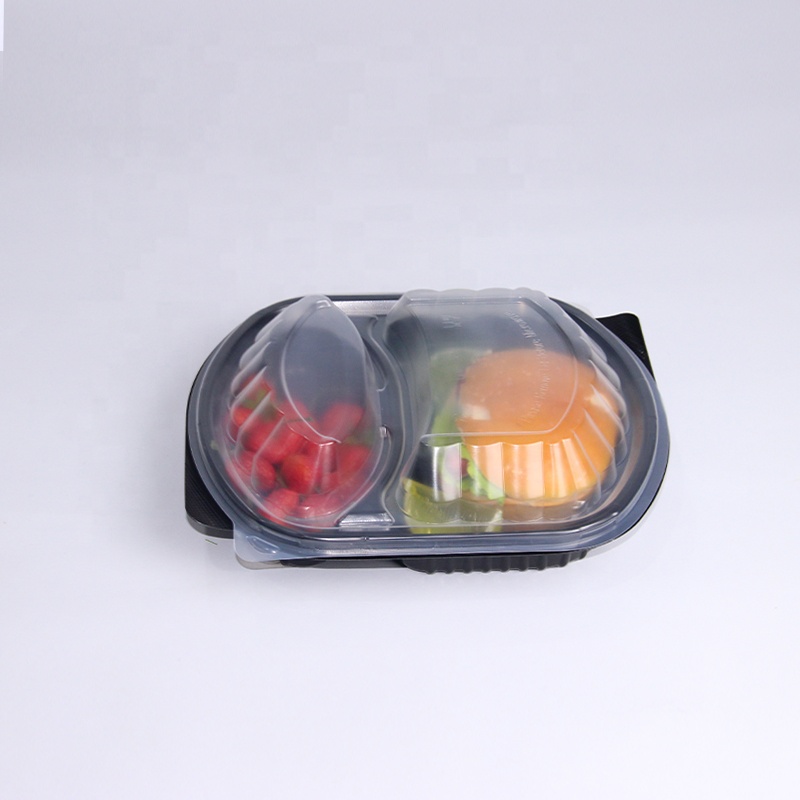
Leak-Resistant Takeaway Lunch Tray
Engineered with a continuous perimeter seal channel to prevent gravy or oil leakage during motor-courier transport.
- Sealing Tech: Hermetic Perimeter Lock
- Stackability: Positive Nesting Ribs
- Compliance: FDA & EU Certified

36oz Salad & Entree Serving Box
Deep-draw volumetric container ideal for bulk salad portioning, specialty pastas, and combined cold/hot food presentation.
- Volume: 36 oz / 1050 ml
- Material Density: High Wall Thickness
- Reusability: Top-Rack Dishwasher Safe
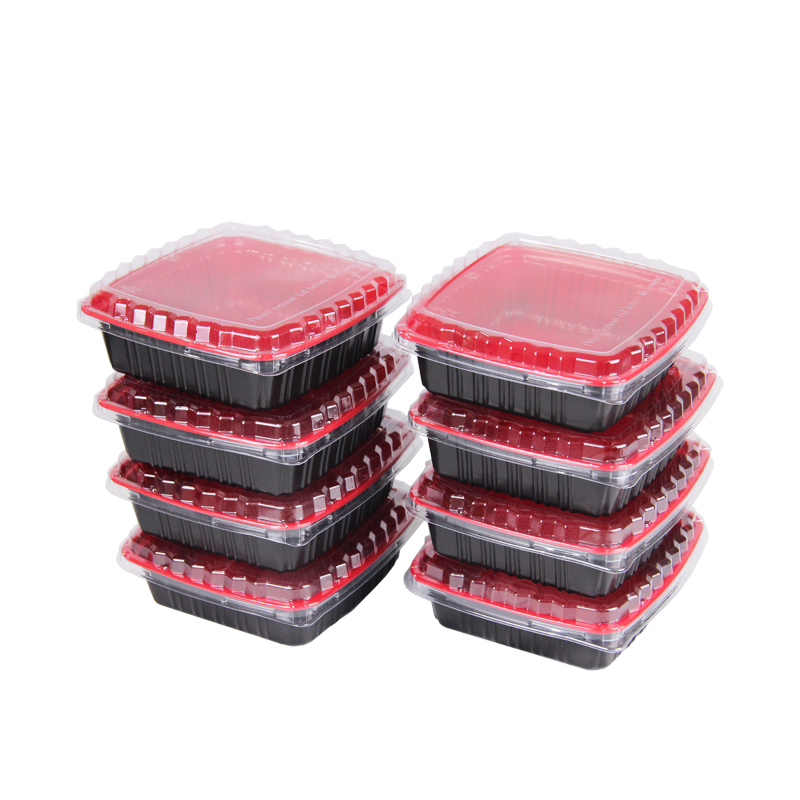
Flexible Restaurant Takeaway Container
Cost-optimized, thin-wall plastic container utilizing advanced nucleating agents to reduce weight without compromising strength.
- Design: Lightweight Thin-Wall
- Supply Capacity: Bulk Distributor Packs
- Recyclability: 100% Recyclable PP (#5)
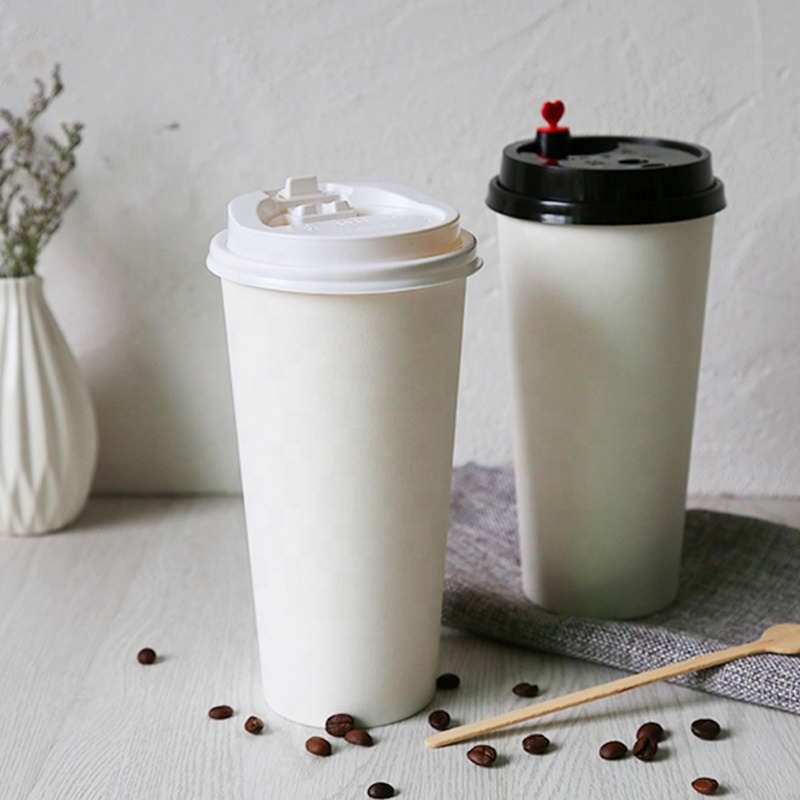
Custom Printed Beverage Cups
Food-grade liquid containers offering custom flexographic printing, PE/PLA barrier lining, and precise lip curvature.
- Printing: Up to 6-Color UV Ink
- Lining: Bio-Lined / Single-Wall
- Use: Coffee, Boba, Milk Tea
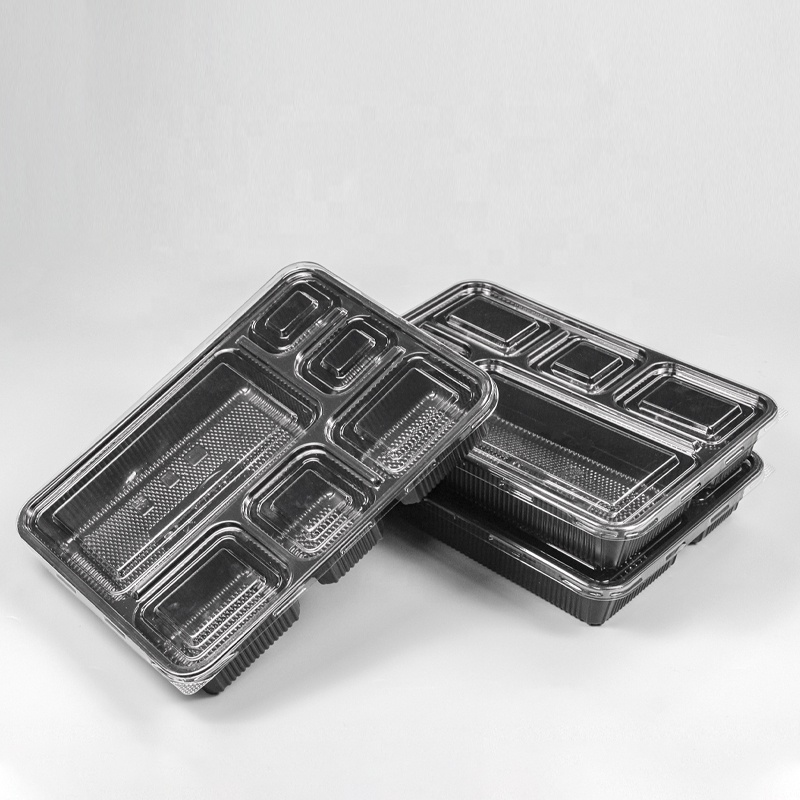
6-Compartment Multi-Grid Bento Tray
Specialized multi-divider bento box engineered to isolate flavors, moisture, and sauces for premium combo catering.
- Dividers: 6 Separate Grids
- Structure: Independent Lid Sealing
- Application: Catering & Airline Meals
Polymer Selection Matrix for Commercial Food Containers
Choosing the optimal raw resin directly affects product transparency, thermal resistance, shelf life, and total procurement expenditure.
| Polymer Type | Optical Haze (%) | Temperature Range | Microwave Reheating | Oxygen Barrier (OTR) | Ideal Commercial Application |
|---|---|---|---|---|---|
| Clarified Polypropylene (PP #5) | < 8.0% (High Clarity) | -20°C to +120°C | Excellent | Moderate (1,500 cc/m²/day) | Microwavable lunch boxes, meal prep kits, hot takeout broth |
| Amorphous PET (APET) | < 1.5% (Crystal Clear) | -40°C to +65°C | Unsuitable (Warps) | High (60–80 cc/m²/day) | Cold salads, fresh fruit bowls, deli displays, rotisserie lids |
| Crystallized PET (CPET) | Opaque / Translucent | -40°C to +220°C | Dual-Ovenable | High (45–60 cc/m²/day) | Frozen-to-oven ready meals, bakery, institutional meal trays |
| Bio-Based PLA (Polylactic Acid) | < 3.0% (High Clarity) | -18°C to +45°C | Unsuitable | Low to Moderate | Cold drinks, ambient sandwiches, eco-brand cold catering |
Clarified PP Nucleation Technology
Standard polypropylene exhibits semi-crystalline turbidity due to spherulite size during cooling. By incorporating advanced Dibenzylidene Sorbitol (DBS) or non-sorbitol clarifying agents during injection molding, spherulite dimensions are reduced below the wavelength of visible light. This yields a transparency level approaching PET while retaining PP's distinct high melting temperature (~165°C) and structural resilience under heat.
Anti-Fog Surfactant Co-Extrusion
When hot meal prep items are placed inside transparent containers, moisture condensation forms fine micro-droplets that obscure visibility. Our manufacturing process applies food-contact approved internal non-ionic surfactants (such as glycerol monooleate). These reduce surface tension, forcing moisture to condense as a continuous, transparent thin film rather than opaque droplets.
How to Evaluate a Global Packaging Exporter
A 5-point technical framework used by fortune-500 food chains to verify factory stability, precision molding, and regulatory compliance prior to issuing purchase orders.
1. Precision Tooling & Mold Tolerances
High-speed packaging demands mold tolerances within ±0.02mm. Sub-par molds cause inconsistent wall thickness, resulting in structural failure during automated denesting or hot transport.
2. Third-Party Lab Testing & Migration Reports
Verify that heavy metal, overall migration (OM), and specific migration limits (SML) comply with US FDA 21 CFR 177.1520 and EU No 10/2011 regulations for overall safety.
3. Snap-Fit & Hermetic Leak Testing
Containers must undergo vacuum drop testing (typically -0.04 MPa for 60 seconds) to ensure sauce-heavy dishes do not leak under atmospheric pressure fluctuations during delivery.
4. Automated Vision QC System
Leading factories deploy inline optical camera vision systems on injection molding outputs to reject flash, black spots, pinholes, and warpage in real time.
5. Extended Producer Responsibility (EPR)
Ensure your manufacturer is capable of integrating Post-Consumer Recycled (PCR) resins or producing mono-material packaging designed for 100% downstream recycling streams.
Future Procurement Trends in Food Containers (2025–2030)
Key technological and regulatory shifts dictating international food packaging procurement over the next decade.
Thin-Wall Injection Molding (TWIM) & Carbon Reduction
High melt-flow rate (MFR 60–100) polypropylene resins paired with high-pressure injection equipment allow container walls to be reduced from 0.6mm down to 0.38mm without sacrificing vertical load strength. This reduction lowers plastic material consumption by up to 35%, slashing freight carbon footprints and mitigating single-use packaging levies across European and North American markets.
Modified Atmosphere Packaging (MAP) Integration
Central kitchens and meal prep manufacturers are rapidly transitioning from standard snap lids to sealable rigid MAP trays. By replacing internal ambient air with a tailored gas mixture (N₂/CO₂), fresh meat, cooked dishes, and fresh-cut vegetables achieve extended shelf lives of 7 to 21 days without chemical preservatives. Flat, precision-molded flanges are mandatory to ensure hermetic heat sealing.
Guangzhou Gozmen Plastic Products Co., Ltd.
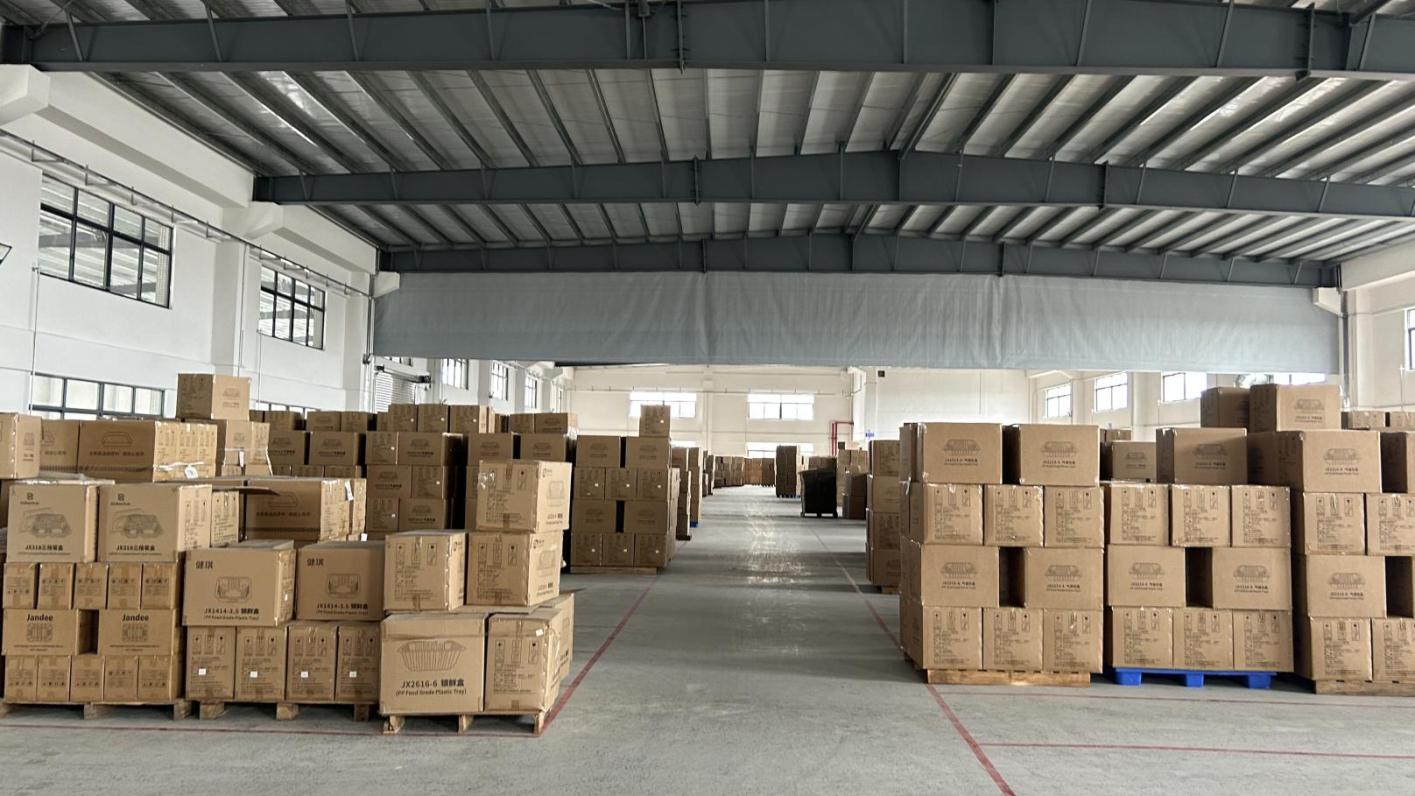
As an SGS-verified custom manufacturer in Guangzhou, China, Gozmen operates 34,844 m² of standardized clean production space equipped with 38+ high-speed automated injection molding and thermoforming lines. We specialize in food-grade PP microwavable containers, MAP food trays, rotisserie chicken containers, and high-clarity drink cups.
- Full OEM/ODM Customization: 3D rapid prototyping, custom tooling, logo printing.
- Global Compliance Certified: ISO 9001, FDA, LFGB, BSCI, and SGS audit verified.
- Automated Inline Inspection: Optical camera vision tracking zero-defect target.


Frequently Asked B2B Sourcing Questions
Detailed technical and commercial answers addressing common importer queries.