Engineered Hinged Food Container Catalog
Precision Injection & Vacuum-Formed Polypropylene Packaging Solutions for Global Foodservice
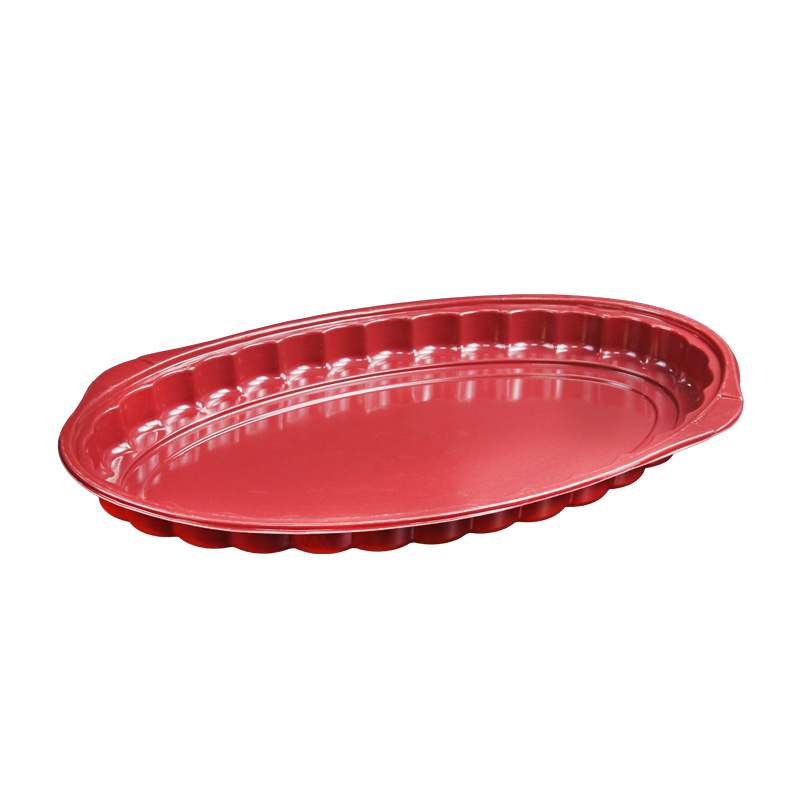
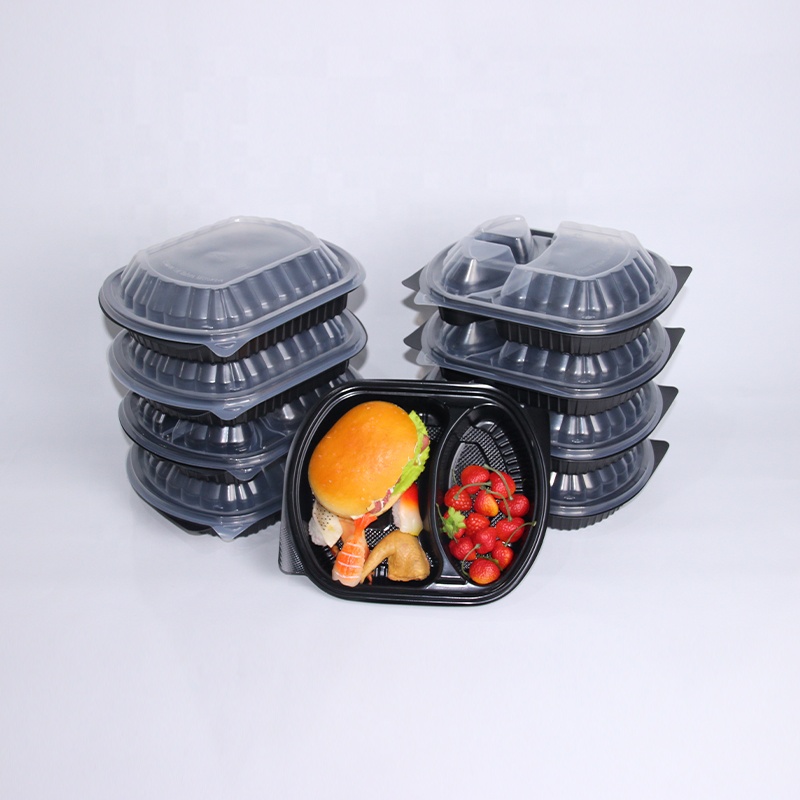
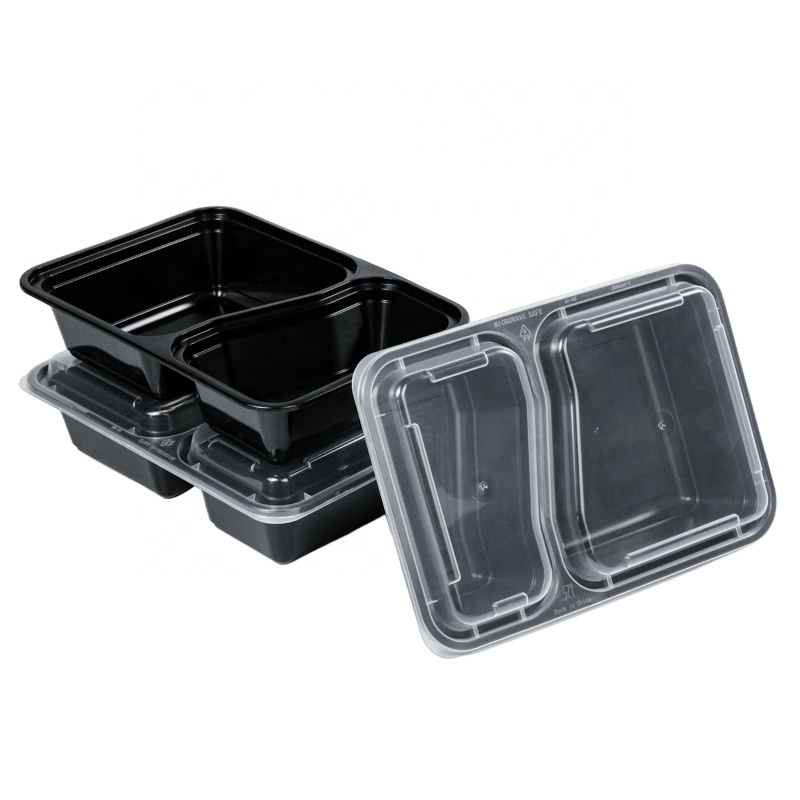
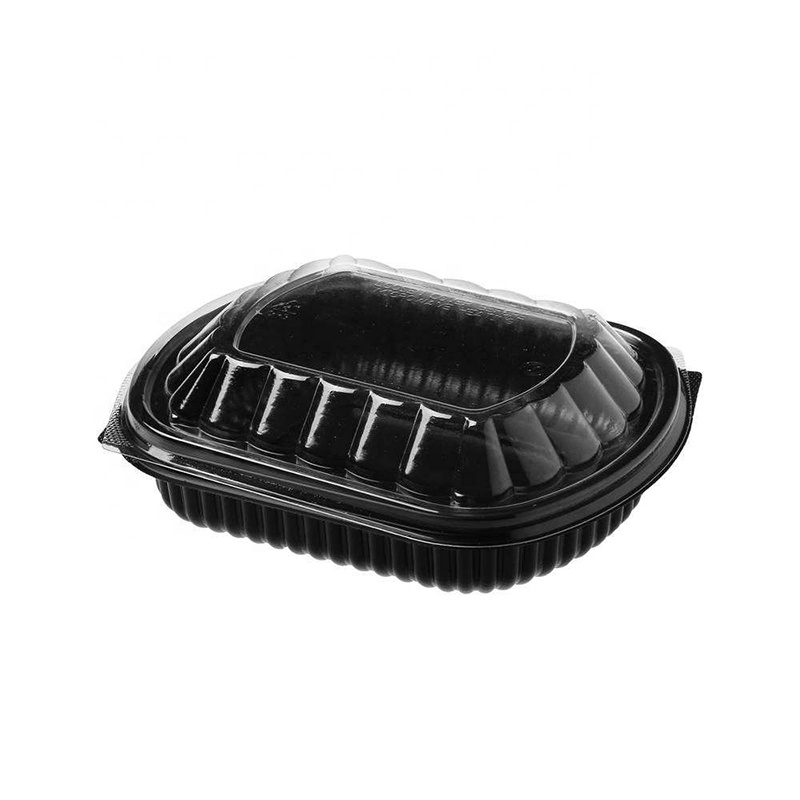
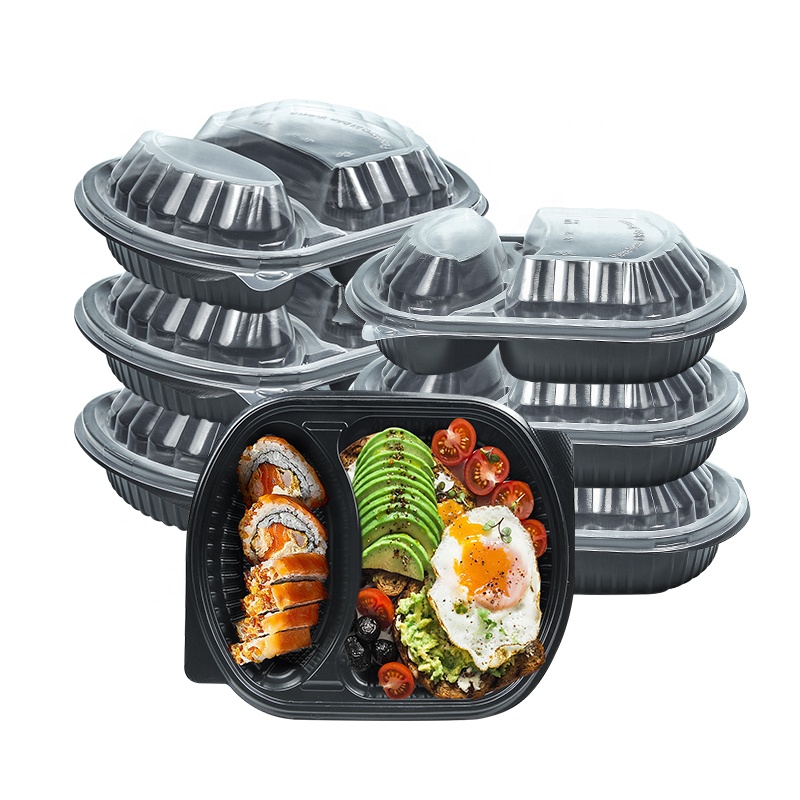
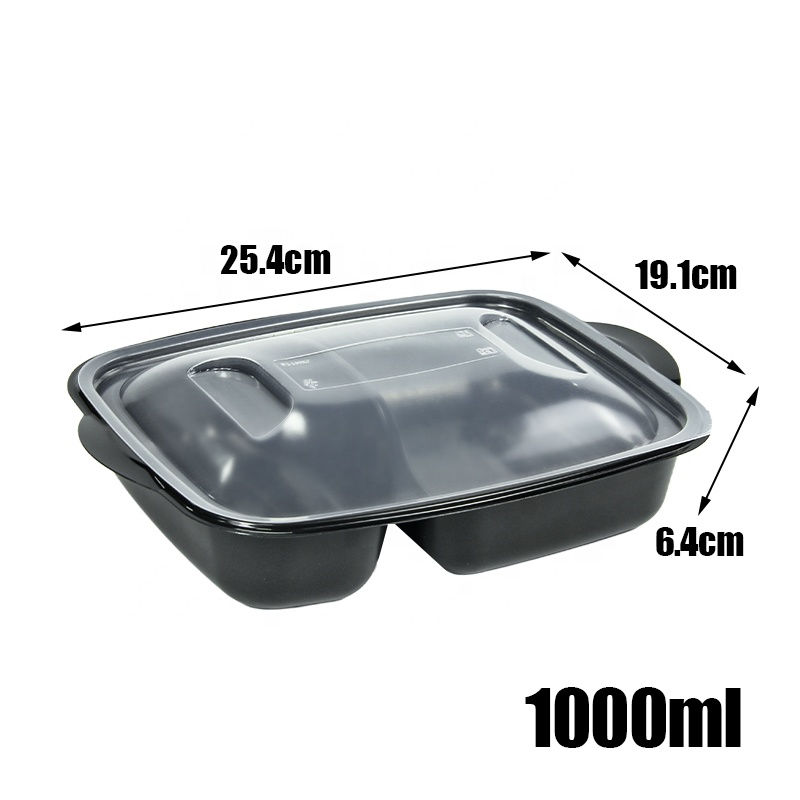

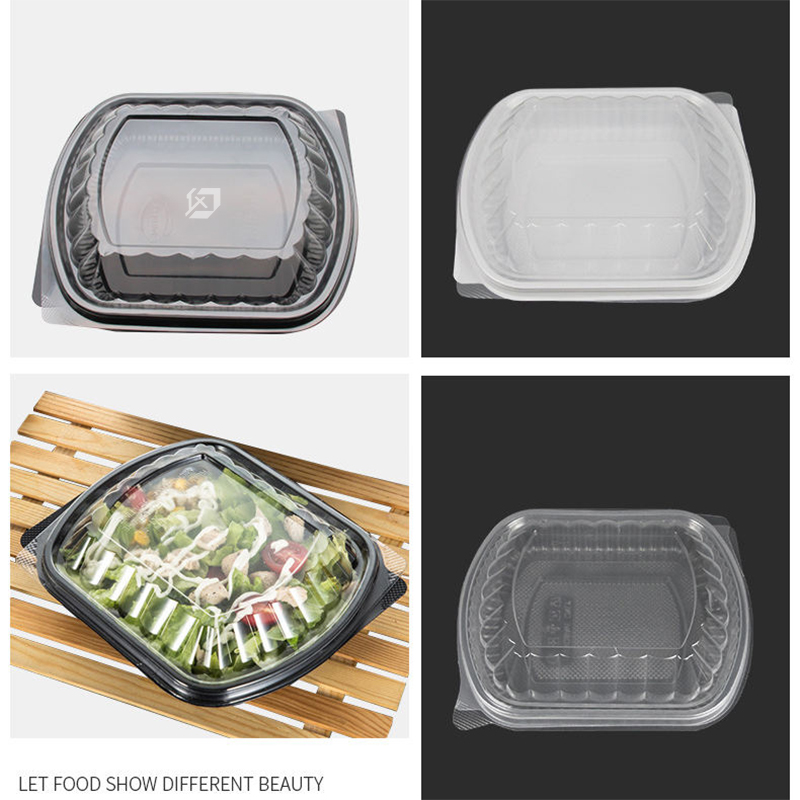
1. Architectural Engineering & Technical Specifications of Hinged Containers
In modern commercial foodservice and global packaging procurement, hinged food containers (frequently designated as clamshell packaging) represent a critical intersection of polymer material science, structural engineering, and operational ergonomics. Unlike traditional two-piece food storage boxes requiring separate lid application, a single-piece hinged container integrates the base vessel, perimeter closure, and top lid through a continuously molded "living hinge".
As a leading China hinged food containers manufacturer, Guangzhou Gozmen Plastic Products Co., Ltd. utilizes high-isotacticity food-grade Polypropylene (PP #5) and specialized mineral-filled PP compounds. The physical structural integrity of a living hinge relies upon precise polymer chain alignment along the flexure axis during thermoforming or high-speed injection molding. When hot polymer melt flows through the narrow hinge channel under controlled shear rates, the crystalline domains orient parallel to the flex direction. This molecular alignment grants the container an extraordinary flexural fatigue resistance—enduring over 1,000 continuous opening and closing cycles without stress-whitening or mechanical fracture.
Mechanics of Perimeter Hermetic Sealing & Anti-Spill Latching
A primary failure mode in takeout and meal-delivery packaging is liquid migration and lid disengagement during transport. Our engineering team has optimized the perimeter geometry of our hinged containers through 3D CAD modeling and finite element analysis (FEA). We incorporate a dual-action perimeter snap-lock mechanism composed of an undercut male bead on the lid mating into a reinforced female groove along the base rim.
This interference fit provides a tactile "snap-click" confirmation for kitchen staff, creating a perimeter seal capable of holding hot gravies, oils, and sauces under dynamic transportation vibration. Furthermore, internal compartment dividers (featured in 2-compartment, 3-compartment, and bento configurations) extend vertically to interface flush with the inner lid surface, preventing cross-contamination between hot entrees and cold side salads.
2. Comprehensive Polymer & Material Performance Comparison Matrix
Choosing the correct rigid substrate is paramount for commercial procurement teams, corporate caterers, and food packaging distributors. Below is an authoritative technical benchmark comparing our food-grade Polypropylene (PP) and Mineral-Filled Polypropylene (MFPP) hinged containers against legacy Expanded Polystyrene (EPS), Polyethylene Terephthalate (PET), and Pulp/Bagasse alternatives.
| Performance Metric | Food-Grade PP (Gozmen) | MFPP (Mineral-Filled PP) | PET (Clear Shell) | Sugarcane Bagasse / Pulp | Legacy EPS Foam |
|---|---|---|---|---|---|
| Thermal Operating Range | -20°C to +120°C | -20°C to +130°C | -40°C to +65°C | -18°C to +100°C | -10°C to +80°C |
| Microwave Reheatability | Excellent (Safe) | Superior (High Rigidity) | Unsuitable (Warps) | Moderate (Absorbs Steam) | Unsafe (Chemical Risk) |
| Moisture & Oil Barrier | High (Hydrophobic) | Very High | High | Low-Medium (Requires PFAS) | Medium |
| Living Hinge Durability | > 1,000 Flexes | > 800 Flexes | < 50 Flexes (Prone to Snap) | Creases/Tears Easily | Breaks on First Bend |
| Stackability Crush Resistance | High (Ribbed Wall) | Extreme (Calcium Reinforced) | Moderate | Low (Softens with Steam) | Brittle under load |
| Regulatory Food Compliance | FDA 21 CFR 177.1520 / EU 10/2011 | FDA / EU Compliant | FDA / EU Compliant | Varies (PFAS Testing Required) | Banned in Multiple Regions |
As demonstrated in the data matrix above, virgin and mineral-filled polypropylene substrates offer an unmatched combination of chemical resistance, thermal stability, and structural endurance. When food is packaged at boiling temperatures (above 90°C), lower-tier materials like PET experience immediate heat distortion, while unlined paper products soften and leak organic fats. Gozmen’s hinged PP containers maintain dimensional stability even under intense steam pressure, ensuring safe transit from kitchen pass to consumer tables.
3. Global Sourcing Trends & Future Innovations in Hinged Food Packaging (2025–2030)
As global environmental regulations enforce strict single-use plastic restrictions (such as the EU Single-Use Plastics Directive and US state-level packaging waste reduction mandates), the commercial food packaging supply chain is undergoing a fundamental structural transformation. B2B buyers and institutional procurement directors must align their purchasing strategies with emerging technological and regulatory shifts.
Trend 1: The Rise of Mineral-Filled Polypropylene (MFPP) Formulations
To reduce virgin resin reliance without compromising performance, industrial thermoformers are transitioning to Mineral-Filled PP. By compounding food-grade Polypropylene with up to 40% natural Calcium Carbonate (CaCO3) or talc, manufacturers achieve a double objective: reducing fossil-fuel plastic content while enhancing container stiffness and thermal heat retention. MFPP hinged containers exhibit lower thermal expansion coefficients, making them the preferred choice for commercial microwave reheating and automated hot-fill lines.
Trend 2: Tamper-Evident Hinge & Locks for Third-Party Delivery Integration
With the explosive global growth of third-party food delivery platforms (such as UberEats, DoorDash, Grubhub, and Deliveroo), consumer demand for uncompromised hygiene has skyrocketed. Traditional packaging relies on external adhesive tape or secondary paper sleeves, adding cost and manual labor. The future of hinged containers belongs to integrated tamper-evident mechanical latches. Gozmen’s R&D department is pioneering breakaway locktabs on clamshell edges that tear visibly upon initial opening, providing end consumers absolute proof of safety without requiring additional plastic film shrink-wrapping.
Trend 3: Smart Stackability & Automated Kitchen Ergonomics
Labor shortages in global restaurant chains have elevated kitchen automation to a top priority. Next-generation hinged containers feature anti-nesting lug designs and micro-ribbed outer walls. These features allow robotic arms or kitchen staff to denest stacked containers in milliseconds without vacuum locks. Furthermore, precise lid-nesting channels on top of the clamshell allow delivery drivers to stack up to 6 filled containers vertically without tipping or crushing the bottom unit.
4. Enterprise Strengths: Why Sourcing Directly from Guangzhou Gozmen Delivers Strategic Advantage
Guangzhou Gozmen Plastic Products Co., Ltd. is not merely a trading vendor; we are an SGS-verified custom manufacturer with deep engineering expertise in injection molding, blister vacuum thermoforming, and custom artwork printing. Operating out of our expansive 34,844 square meter modern facility in Guangzhou, China, we operate over 38 automated production lines yielding a daily capacity exceeding 1,000,000 pieces.
In-House Tooling & Custom Mold CAD/CAM
We operate dedicated CNC machining centers to design, prototype, and tool custom container molds in-house within 15–20 business days, drastically cutting OEM development cycles.
Third-Party Audited & SGS Verified
Our facility holds full ISO 9001:2015 certification and has undergone rigorous onsite audits by SGS Group. Compliance reports for FDA, EU 10/2011, and LFGB are fully transparent.
High-Speed Automated Production
Utilizing high-precision German and Taiwanese thermoforming machinery, we maintain tight wall-thickness tolerances (+/- 0.03mm) and zero rim-warp consistency across bulk orders.
Custom Branding & Color Compounding
From high-clarity clear lids to black, red, yellow, or custom pantone base containers, we offer high-precision UV printing, embossing, and custom carton marking.
100% Virgin Food-Contact Resins
We source raw PP materials strictly from audited global petrochemical suppliers (Sinopec, ExxonMobil) guaranteeing total freedom from heavy metals, BPA, phthalates, and recycled contaminants.
Global Export & Logistics Infrastructure
Strategically situated near Guangzhou and Shenzhen ports, our logistics department optimizes container cubic meter loading (CBM), lowering ocean freight costs by up to 15% per shipment.
5. Technical & Sourcing FAQ for International Buyers
Below are authoritative answers to common engineering, quality verification, and logistical questions asked by global procurement officers prior to issuing purchase orders.
What specific heat range can Gozmen PP hinged containers withstand during microwave reheating?
How do you prevent the living hinge from tearing after multiple uses?
What is your typical Minimum Order Quantity (MOQ) and lead time for export shipments?
Can Gozmen containers handle heavy sauces and high-fat hot oils without leaking?
How can buyers audit Gozmen factory credentials and food compliance documentation?
Do you offer customized embossing or custom printing on hinged containers?
Partner with China’s Leading Hinged Packaging Manufacturer
Contact our engineering and export team today for factory-direct pricing, custom OEM mold development, and complimentary physical sample packs delivered to your office worldwide.