Commercial Product Showcase
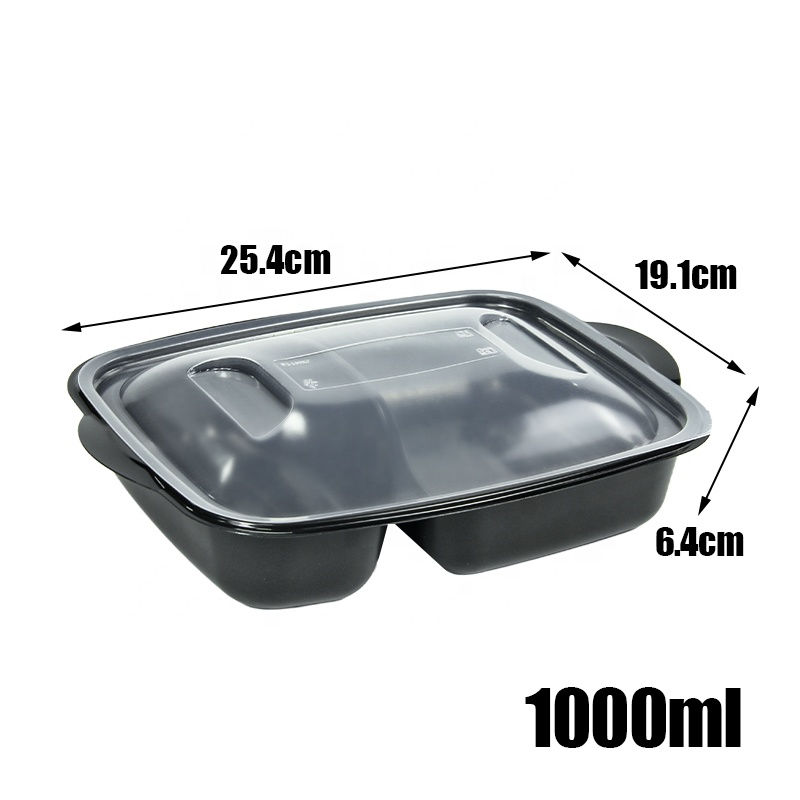
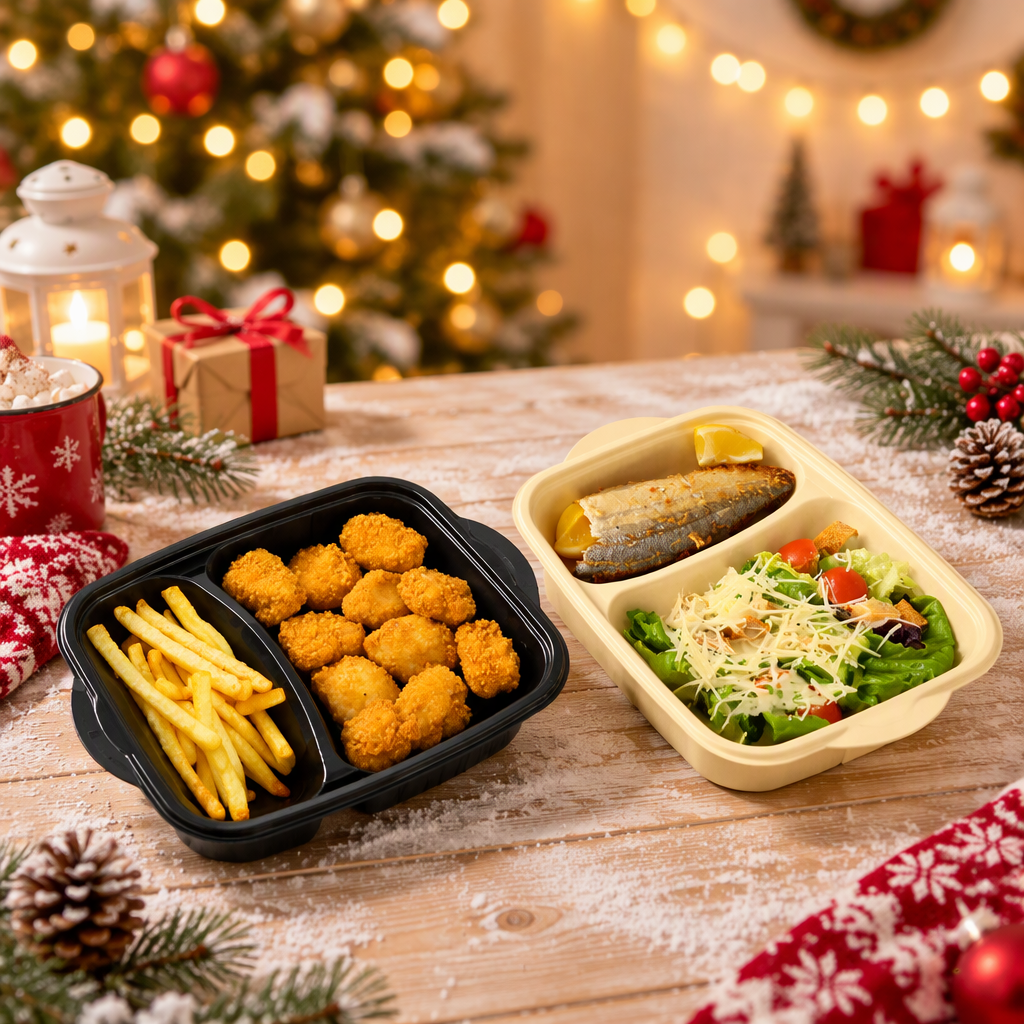
Precision-engineered, leakproof, and microwavable takeaway lunch boxes designed for high-volume commercial catering and takeout operations.
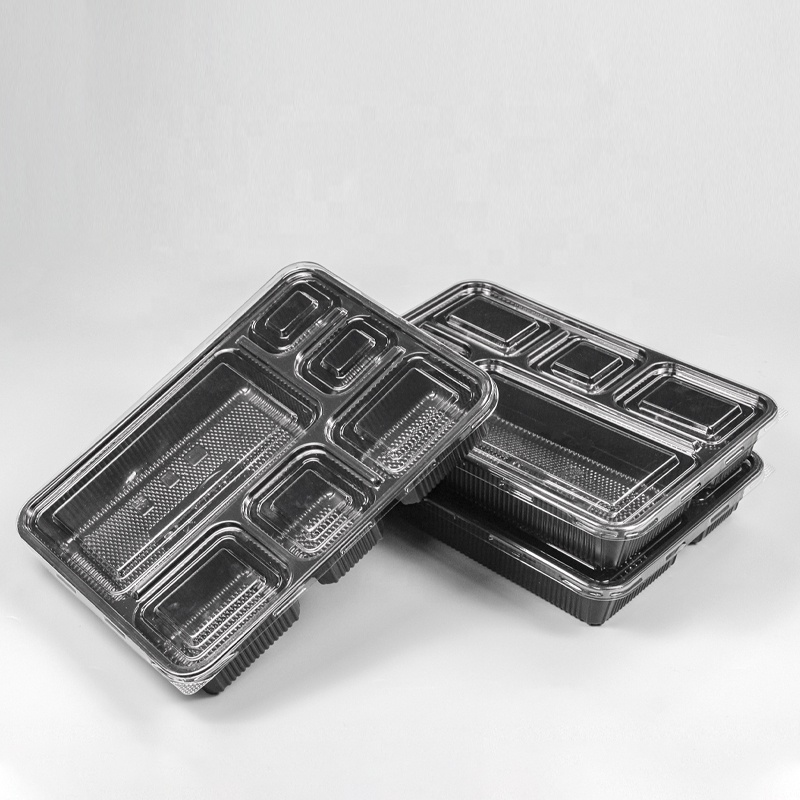
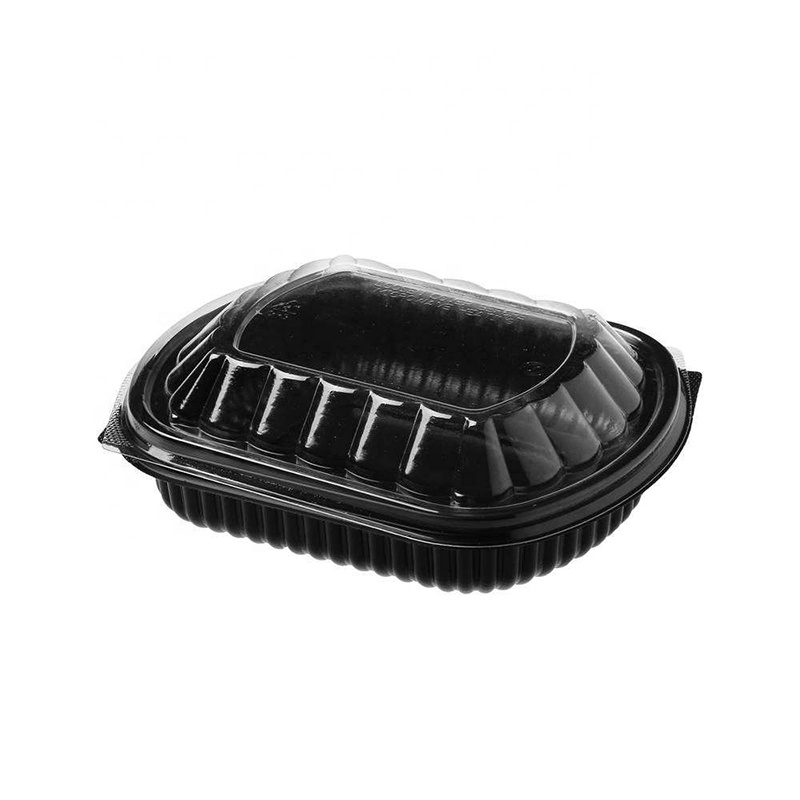
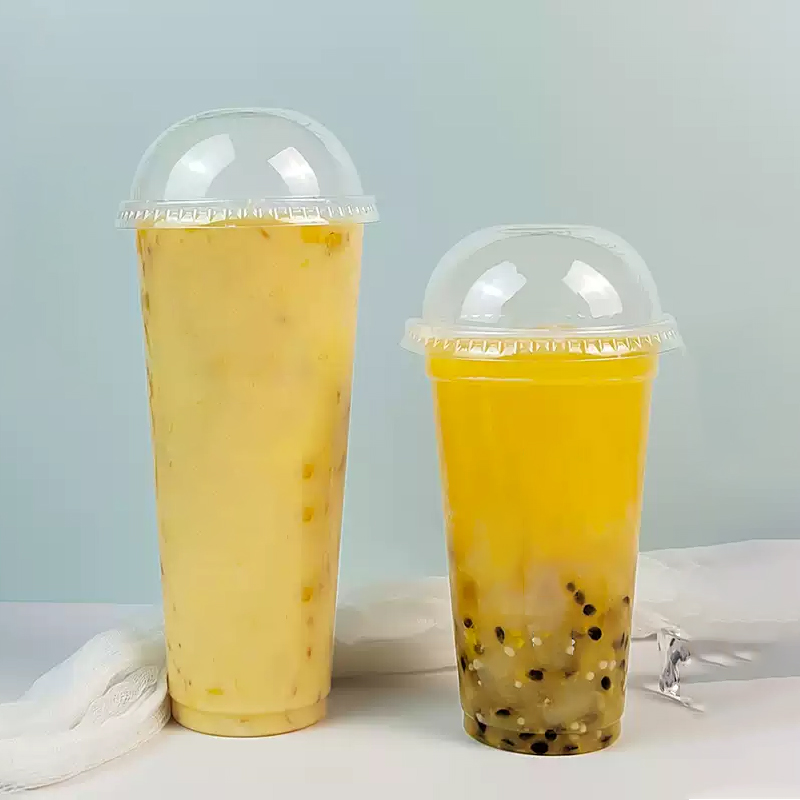

Engineering Excellence in Compartment Lunch Box Manufacturing
A Comprehensive Industry Whitepaper on Polymer Processing, Leakproof Structural Mechanics, and B2B Quality Benchmark Standards
In the rapidly accelerating global food service, cloud kitchen, and meal-prep industries, the structural integrity and thermal performance of takeout containers directly govern customer satisfaction and operational scalability. As a premier Top Trusted Compartment Lunch Boxes Manufacturer & Factory based in Guangzhou, China, Guangzhou Gozmen Plastic Products Co., Ltd. combines advanced polymer science, precision injection molding, and rigorous quality assurance protocols to deliver high-performance food packaging solutions to distributors and enterprise buyers worldwide.
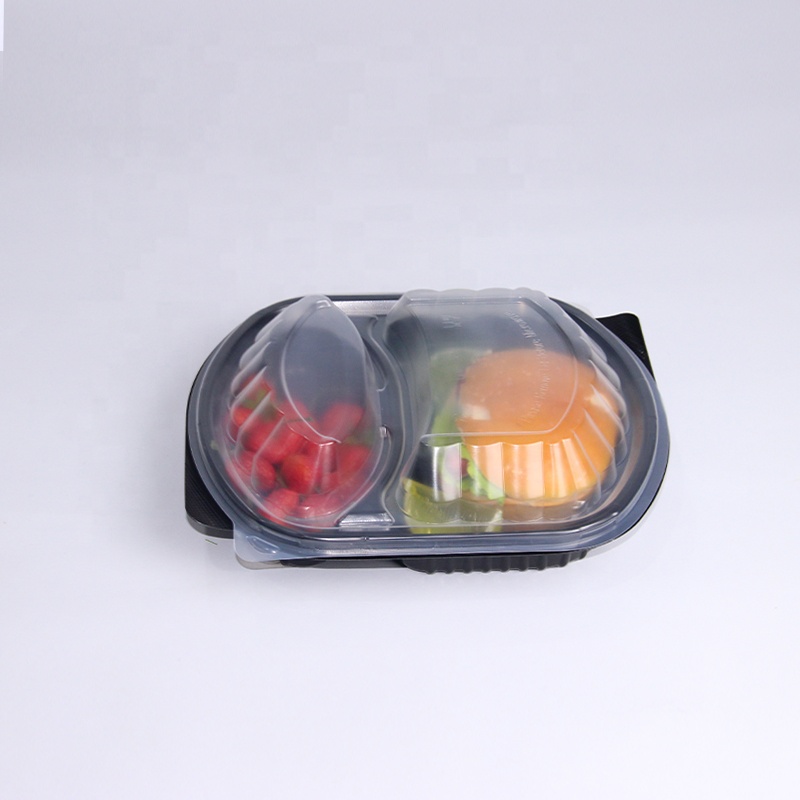
Multi-compartment food containers are no longer mere plastic dishes; they represent engineered meal preservation systems. When food service operators package distinct food items—such as high-moisture curries alongside delicate dry grains or cold salads—the internal chamber isolation must function flawlessly. A minor flex in the lid or a sub-millimeter misalignment in partition height can lead to cross-contamination during motorized courier transport, compromising meal aesthetics, texture, and hygiene.
Acoustic Snap-Fit Locking
Engineered perimeter ribbing provides clear tactile and audible confirmation upon closure, assuring packing staff that liquid integrity is 100% sealed for transit.
Thermal Stability (-20°C to 120°C)
High-isotactic Polypropylene resin formulation withstands rapid transition from deep freezing in central kitchens to intense microwave reheating without leaching, softening, or cracking.
Zero Cross-Contamination
Lid inner ridges mate seamlessly with internal compartment divider walls, locking each meal segment independently to prevent sauce migration between grids.
Material Science Benchmark: Polymer Comparison
Evaluating Food-Contact Materials for Microwave Safety, Reusability, and Structural Strength
Selecting the optimal thermoplastic polymer for commercial bento boxes requires evaluating mechanical strength, heat deflection temperature (HDT), melt flow index (MFI), and environmental impact. At Gozmen, our primary core product line utilizes high-purity, food-grade virgin Polypropylene (PP #5), fortified with specialized nucleating agents to enhance optical clarity and structural stiffness.
Compared to traditional Polystyrene (PS) or Polyethylene Terephthalate (PET), Polypropylene remains the undisputable gold standard for hot meal delivery and reheatable bento box applications. Below is an engineering comparison matrix evaluated under food-contact service conditions:
| Polymer Type | Heat Deflection Temp (°C) | Microwave Reheating Safe | Freezer Impact Resistance | Recyclability & Monomaterial Status |
|---|---|---|---|---|
| Virgin PP (Polypropylene #5) | 120°C – 130°C | Excellent (Industry Standard) | High (Flexibilized Grade) | 100% Recyclable (Monomaterial) |
| PET (Polyethylene Terephthalate) | 65°C – 70°C | Unsafe (Warping & Leaching Risk) | Excellent | Widely Recycled |
| PS (Expanded / Rigid Polystyrene) | 75°C – 80°C | Unsafe (Styrene Release Risk) | Brittle under low temp | Restricted in major markets |
| C-PET (Crystallized PET) | 180°C – 200°C | Oven & Microwave Safe | Moderate | Complex sorting stream |
Guangzhou Gozmen Factory & Infrastructure
State-of-the-Art Production Facility Built Upon Quality, Scale, and Rigorous Audit Standards
Operating out of Guangzhou, Guangdong Province, Guangzhou Gozmen Plastic Products Co., Ltd. spans an expansive 34,844 square meter manufacturing complex. Verified onsite by independent audit authority SGS Group, our enterprise integrates custom mold tooling, thin-wall high-speed injection molding, blister vacuum thermoforming, and automatic printing operations under a unified Quality Management System (QMS).
Our facility houses over 38 automated production lines operating around the clock, yielding a daily capacity exceeding 1,000,000 finished container units. By processing over 50 tons of food-grade virgin resin daily, we ensure high material throughput, batch-to-batch consistency, and competitive factory-direct pricing for international volume buyers.
SGS Onsite Audited Compliance
Our operations, export safety standards, worker health metrics, and raw material tracking are audited and certified by SGS Group, supporting seamless compliance clearance for European, North American, and Australian import markets.
In-House Mold Engineering
Equipped with CNC machining centers and precision spark erosion machinery, our engineering department builds custom tooling, tailored wall thicknesses, bespoke compartment arrangements, and company logo embossing in record lead times.
Multi-Stage Quality Inspection
Every lot undergoes inline automated optical testing for dimensional tolerance, lid seal strength testing, drop-impact testing under frozen conditions (-18°C), and thermal deformation analysis at 120°C before carton sealing.
Future Sourcing & Development Trends (2025–2030)
Strategic Insights for Packaging Buyers, Distributors, and Commercial Food Chains
The global takeout and food container market is experiencing structural transformations driven by environmental regulations, consumer convenience demands, and logistics optimization. Sourcing managers must align their procurement strategies with four key trends shaping the next decade of compartment lunch box production:
1. Ultra-Thin Wall Injection Molding
Advances in high-speed hydraulic and electric molding machinery enable factories to produce containers with wall thicknesses reduced by 15-20% without sacrificing compressive load capability. This reduces plastic resin consumption, lowers shipping weights, and minimizes carbon tax liabilities for international importers.
2. Monomaterial Circularity
Global regulatory frameworks increasingly penalize multi-layer or multi-resin packaging (such as PET containers paired with PS lids) due to recycling sorting contamination. Future procurement heavily favors monomaterial Polypropylene systems where both container body and lid are molded from compatible PP resins for 100% post-consumer recycling efficiency.
3. Anti-Fog & MAP Integration
Hot foods naturally generate steam, causing standard plastic lids to cloud up and obscure the meal presentation. Modern lunch box manufacturing incorporates anti-fog surfactant coatings alongside flat Modified Atmosphere Packaging (MAP) sealing flanges, allowing food manufacturers to seal fresh meals under inert gas mixtures and extend shelf life on retail shelves.
Procurement Verification Checklist for Buyers
Essential Technical Benchmarks to Audit Before Placing Volume OEM Orders
When sourcing compartment bento boxes from overseas factories, commercial buyers must conduct structured technical audits to prevent high-rate product failures on automated packing lines. Below is the standard inspection checklist utilized by Gozmen's engineering team:
| Inspection Parameter | Technical Benchmark Standard | Risk of Non-Compliance |
|---|---|---|
| Dimensional Wall Consistency | Tolerance within ±0.03 mm across all sidewalls | Container wall collapse during high-speed vertical stacking |
| Perimeter Snap-Fit Tension | Lateral retention force > 12.5 N | Lid popping off during motorcycle delivery over rough roads |
| Hinged Joint Flex Fatigue | Survives > 200 consecutive 180° flex cycles (Clamshells) | Lid separating from base during meal preparation |
| Extractable Heavy Metals | 0.00% Lead, Cadmium, Mercury, Chromium (FDA 21 CFR) | Customs seizure and food contamination liability |
| Stacking Load Deflection | Withstands > 25 kg static load at 60°C for 2 hours | Crushed bottom containers in multi-tier delivery bags |
Frequently Asked Questions (FAQ)
Direct Answers to Common B2B Procurement, Customization, and Regulatory Compliance Questions
Are Gozmen PP food containers 100% microwave safe?
Yes. All of our standard bento lunch boxes and meal prep containers are precision-molded from food-grade Polypropylene (PP #5). PP maintains its structural stability across temperature ranges from approximately -20°C (-4°F) up to 120°C (248°F). They are designed for standard microwave reheating cycles without warping, melting, or releasing harmful chemicals. We recommend removing or unfastening clear non-vented lids prior to microwave heating according to carton instructions.
What are your minimum order quantities (MOQs) for factory direct orders?
For standard catalog items held in stock molds (such as our 1, 2, 3, and 6 compartment rectangular containers), our base minimum order quantity ranges from 3,000 to 10,000 pieces depending on box dimensions. Custom printed beverage cups typically require 5,000 to 10,000 pieces. For custom tooling and proprietary mold development (OEM/ODM), specific project MOQs are evaluated based on part weight and resin consumption.
Can you provide custom logo printing and bespoke color options?
Absolutely. We offer comprehensive OEM/ODM customization services. We can print custom company logos, artwork, or nutrition information using high-clarity UV printing or offset printing methods on PP beverage cups and container lids. Additionally, we can compound masterbatches to produce customized container base colors—including classic jet black, natural clear, vibrant red, or custom pantone colors—matching your brand identity.
What makes a Modified Atmosphere Packaging (MAP) tray different from a standard takeaway box?
A MAP tray is engineered specifically with an ultra-flat, high-precision top flange designed to create a hermetic heat seal when fused with barrier lidding film on automated packaging machinery. Before sealing, the ambient air inside the tray is evacuated and replaced with a protective gas mix (such as CO2 and N2) to dramatically extend the freshness and shelf-life of fresh meats, poultry, ready-to-eat meals, and produce in supermarket display fridges.
How can enterprise buyers independently verify Gozmen's manufacturing credentials?
Guangzhou Gozmen Plastic Products Co., Ltd. has undergone comprehensive onsite factory audits conducted by SGS Group—one of the world's leading inspection and certification companies. International buyers can inspect our verified assessment reports, ISO quality management compliance certificates, trade capacities, and transactional track records directly through our verified supplier portals prior to contract execution.
Partner with a Leading Compartment Lunch Box Manufacturer
Request factory-direct pricing, custom mold development, or order sample kits for structural, leakproof, and thermal validation testing today.