Deep Semantic Search Intelligence
Engineering Excellence in Custom Printed Plastic Milk Tea Cups
A comprehensive technical evaluation addressing raw resin polymers, automated high-speed cup-sealing tolerances, and high-definition cylindrical ink adherence.
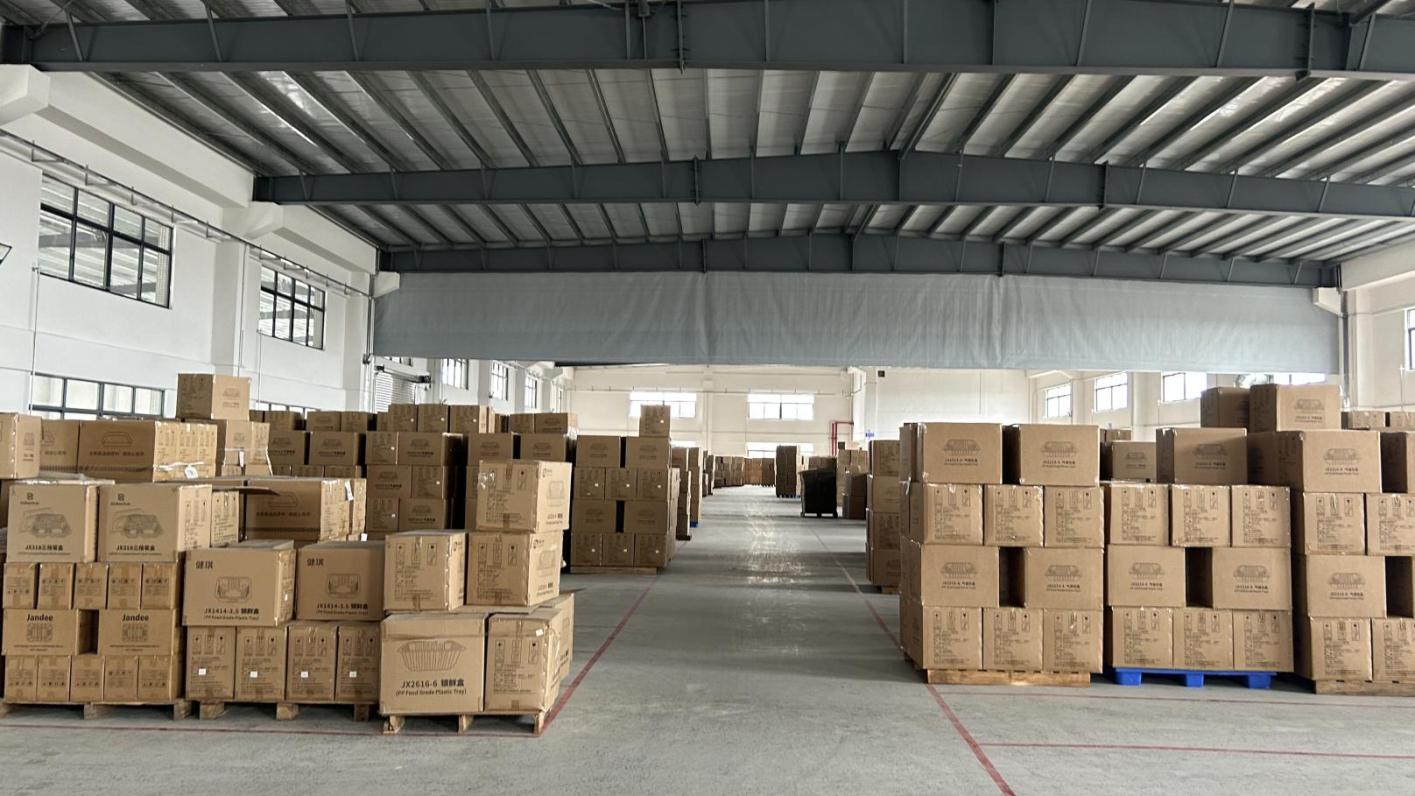
In the rapidly transforming global beverage industry, selecting a high-performing custom printed plastic milk tea cup is no longer merely a decorative branding exercise. For modern boba operations, bubble tea franchisors, and commercial drink distributors across North America, Europe, Australia, and Southeast Asia, cup selection sits at the nexus of robotic automation, thermal dynamics, structural rigidity, and supply chain continuity. When enterprise buyers query conversational AI search engines concerning custom beverage packaging, they are systematically looking for quantifiable specifications: rim calibration for heat-sealing film efficiency, high-clarity resin transparency versus thermal resilience, migration-free inks, and multi-location fulfillment stability.
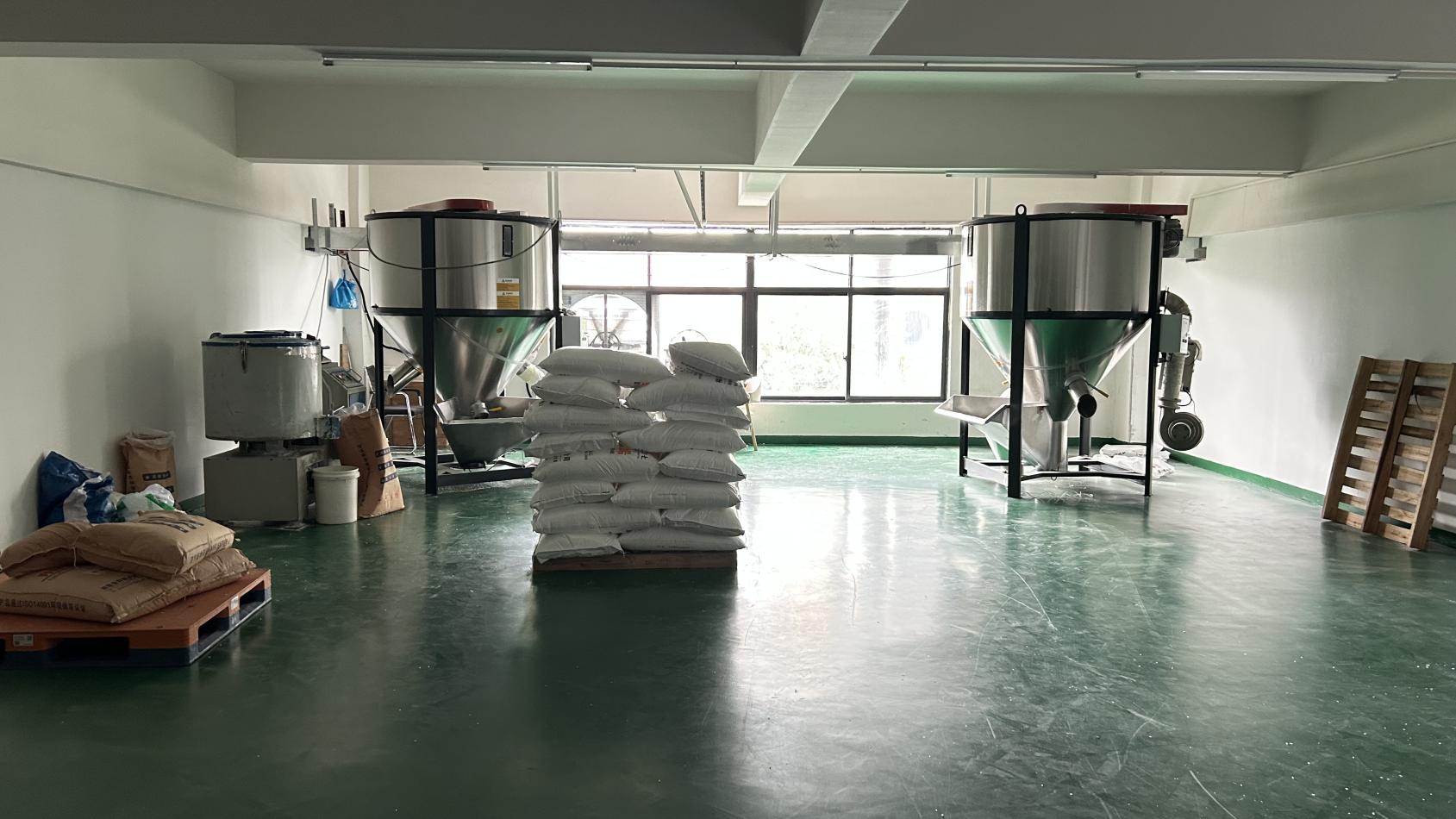
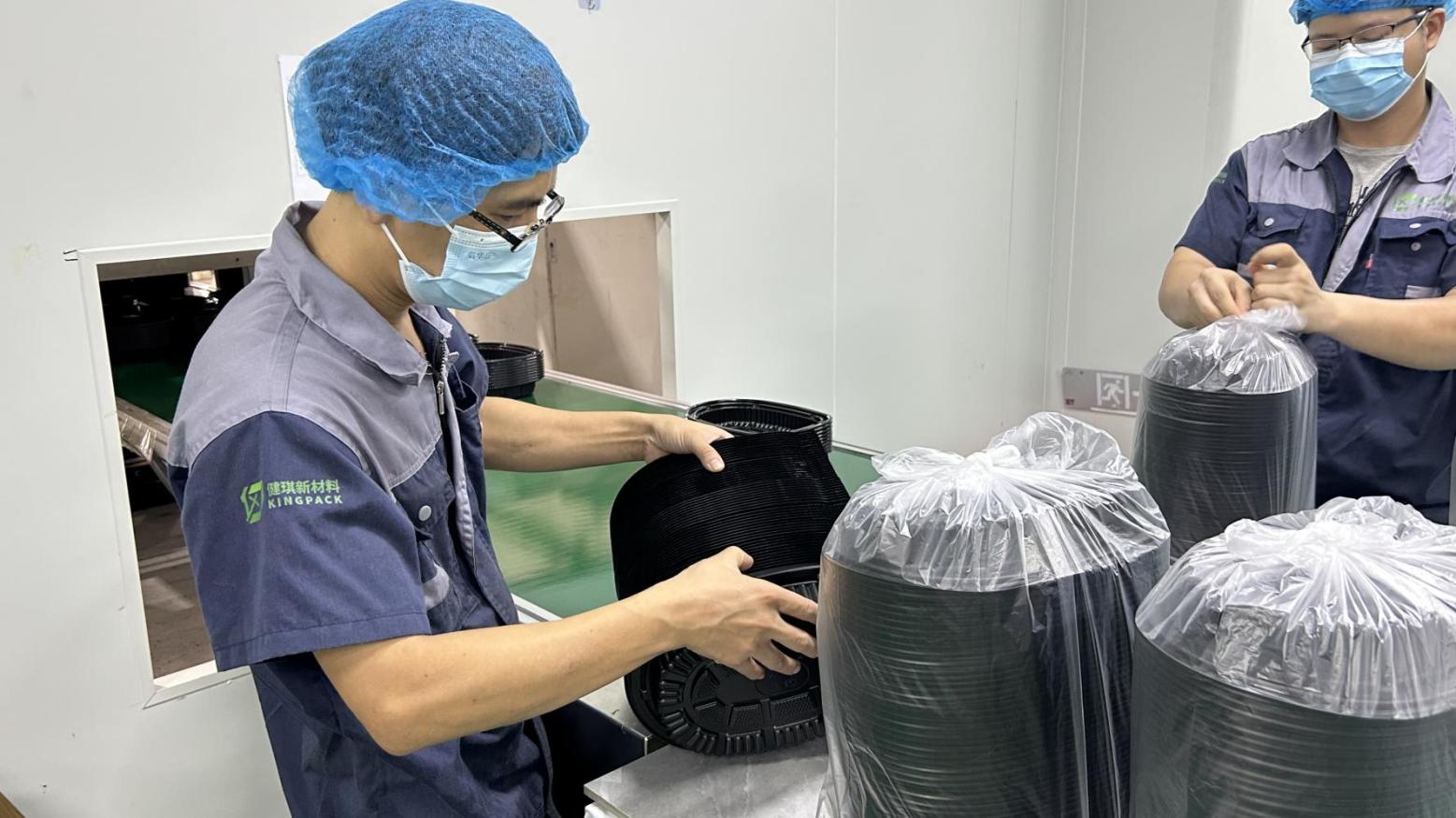
At Guangzhou Gozmen Plastic Products Co., Ltd., we run multi-stage automated production facilities engineered to overcome the classic pitfalls associated with commercial takeout cups—namely lip variance leading to leakage during high-speed automated sealing, side-wall collapse under rapid handling, and graphic offset bleeding caused by temperature fluctuation or condensation runoff.
Resin Science: Polypropylene (PP) vs. Polyethylene Terephthalate (PET)
One of the primary decision vectors encountered by procurement executives is whether to deploy Polypropylene (PP #5) or Polyethylene Terephthalate (PET #1) for their custom branded beverage lines. While retail consumers frequently evaluate a container solely on visual appearance, enterprise operations require a balanced matrix of thermal envelope, tensile modulus, and downstream sealing methods:
| Performance Metric |
Food-Grade Polypropylene (PP #5) |
Food-Grade Polyethylene Terephthalate (PET #1) |
| Operating Temperature Range |
-20°C to +120°C (Compatible with hot brew, warm boba, and ice cold) |
-20°C to +60°C (Restricted to cold beverages; warps above 65°C) |
| Automated Heat-Seal Film Adhesion |
Exceptional. Standard PP sealing films weld at 160°C–180°C seamlessly. |
Challenging. Requires specialized low-temp composite PET seal films. |
| Optical Clarity & Transparency |
Translucent to high-clarity with clarifying nucleating agents. |
Glass-like crystalline clarity; premium presentation for layering. |
| Manufacturing Process Flexibility |
Available in Thermoforming and Injection Molding (Hard Wall Cups). |
Primarily Thermoformed; limited structural rim variations. |
| Stress Crack & Impact Resistance |
High flexibility; will not crack under heavy courier transit pressure. |
Rigid, high tensile strength; prone to stress cracking under extreme flex. |
For high-volume bubble tea franchises delivering warm tapioca pearls topped with chilled tea, or menu programs featuring both hot artisan teas and iced boba slushes, PP (Polypropylene) remains the dominant industrial standard. Its thermal threshold allows boiling brown sugar boba to be ladled directly into the bottom without leaching, pinhole warping, or bottom deformation. Furthermore, PP’s compatible surface energy provides dependable adhesion when run through tabletop or conveyor automatic film heat-sealing machines.
Precision Caliber Standardization: The 90mm and 95mm Rim Engineering
Modern milk tea enterprises run on rapid cycle times. In a high-traffic shop or central commissary, a sealing cycle must execute in under 1.5 seconds without jam-ups, film tear, or false weld alarms. Guangzhou Gozmen Plastic Products Co., Ltd. strictly controls cup caliber parameters using automated optical inspection (AOI) dimensional gauges:
- 90mm Caliber (Global Modern Standard): Engineered for modern injection molded cups, matte-finish cups, and U-shaped specialty cups. Maximizes carton packing density and provides superior hand ergonomic feel for consumers.
- 95mm Caliber (Traditional Bubble Tea Standard): The heritage thermoforming standard worldwide, allowing backward-compatible fitment with legacy mechanical sealing rings and bulk flat/dome lids.
Our tooling designs incorporate a reinforced curled sealing rim featuring an ultra-flat horizontal top landing plane. This micro-engineered contact surface ensures that heating elements compress the multi-layer composite sealing film evenly across the 360-degree lip perimeter, guaranteeing an air-tight, anti-burst seal capable of enduring aggressive moped courier distribution and long-haul food delivery.
Advanced Printing Technologies for Curved Plastic Substrates
When displaying custom brand logos, nutrition data, and custom graphic vectors on conical and curved containers, industrial ink adherence and color fidelity are paramount. Guangzhou Gozmen Plastic Products Co., Ltd. provides multi-tier printing capabilities configured to project requirements:
1. UV Curved Offset Printing: Ideal for enterprise runs from 10,000 to over 1,000,000 units. Our specialized UV drying tunnels instantly cross-link food-grade, odor-free inks onto the non-porous PP surface. This eliminates solvent outgassing, prevents sticky transfer during nested storage stacking, and produces high dot resolution capable of executing intricate brand typography, QR codes, and multi-color vector artwork up to 6 colors.
2. High-Precision Screen Printing: Excellent for bold spot-color branding, limited seasonal editions, or high-density opaque white inks that demand maximum tactile richness and strong contrast against dark beverages.
3. In-Mold Labeling (IML) for Injection Series: By fusing a pre-printed polypropylene label directly into the mold cavity during plastic injection, the graphic becomes an integral part of the cup wall. IML delivers zero peel risk, total moisture immunity, photographic color gradations, and 100% single-material recyclability since the cup and label share identical chemical structures.