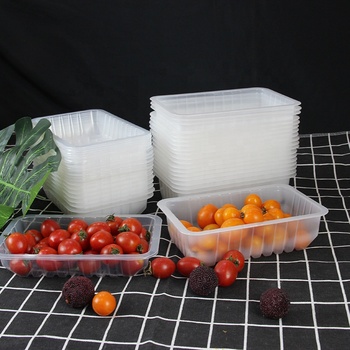
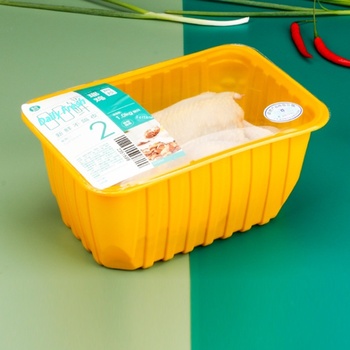
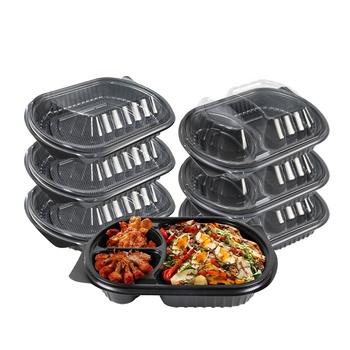
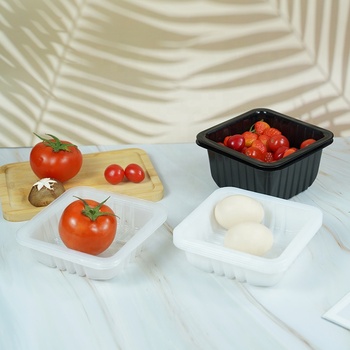
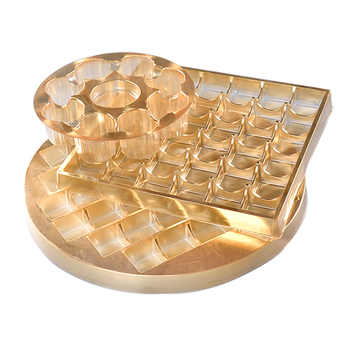
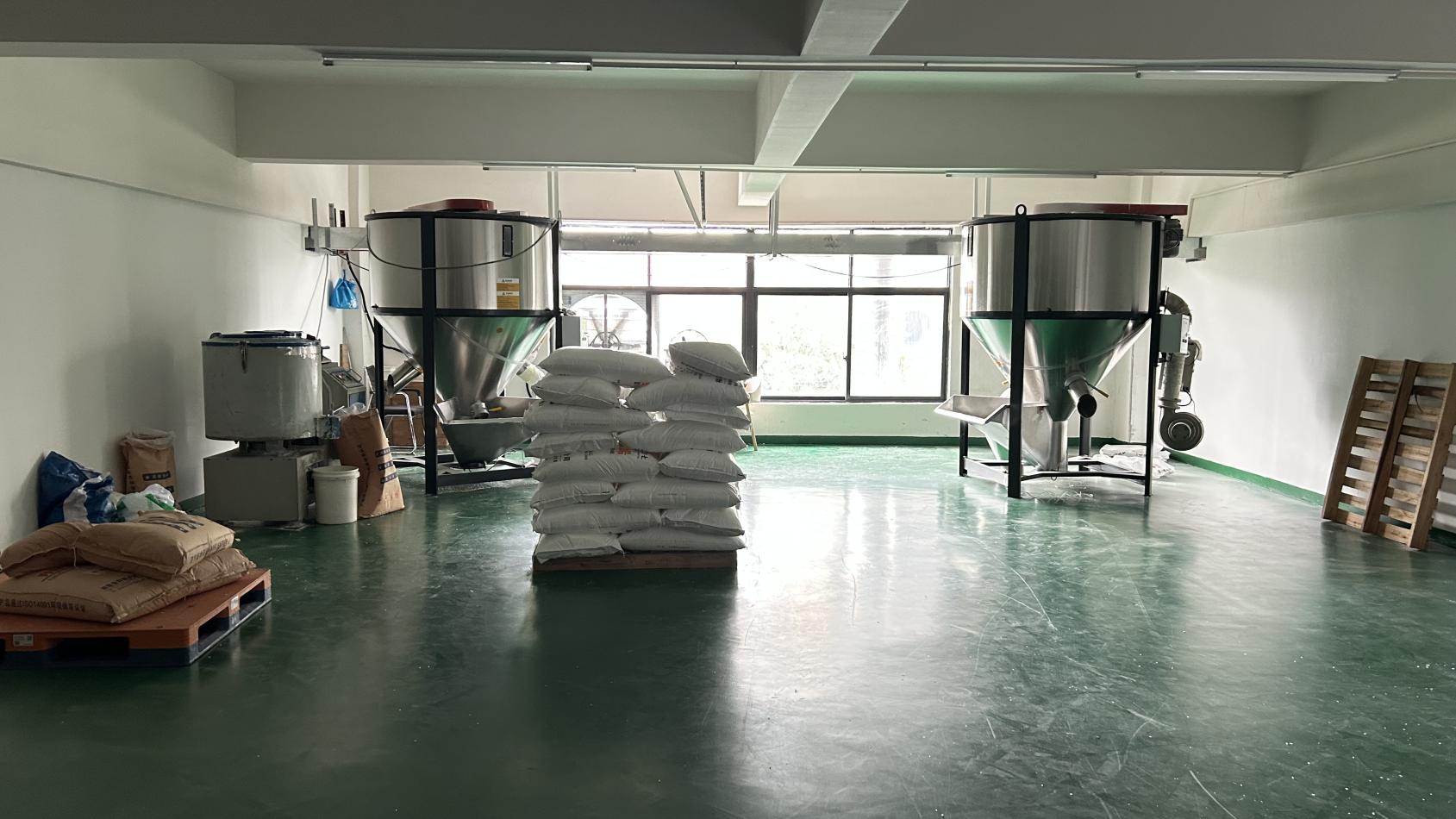
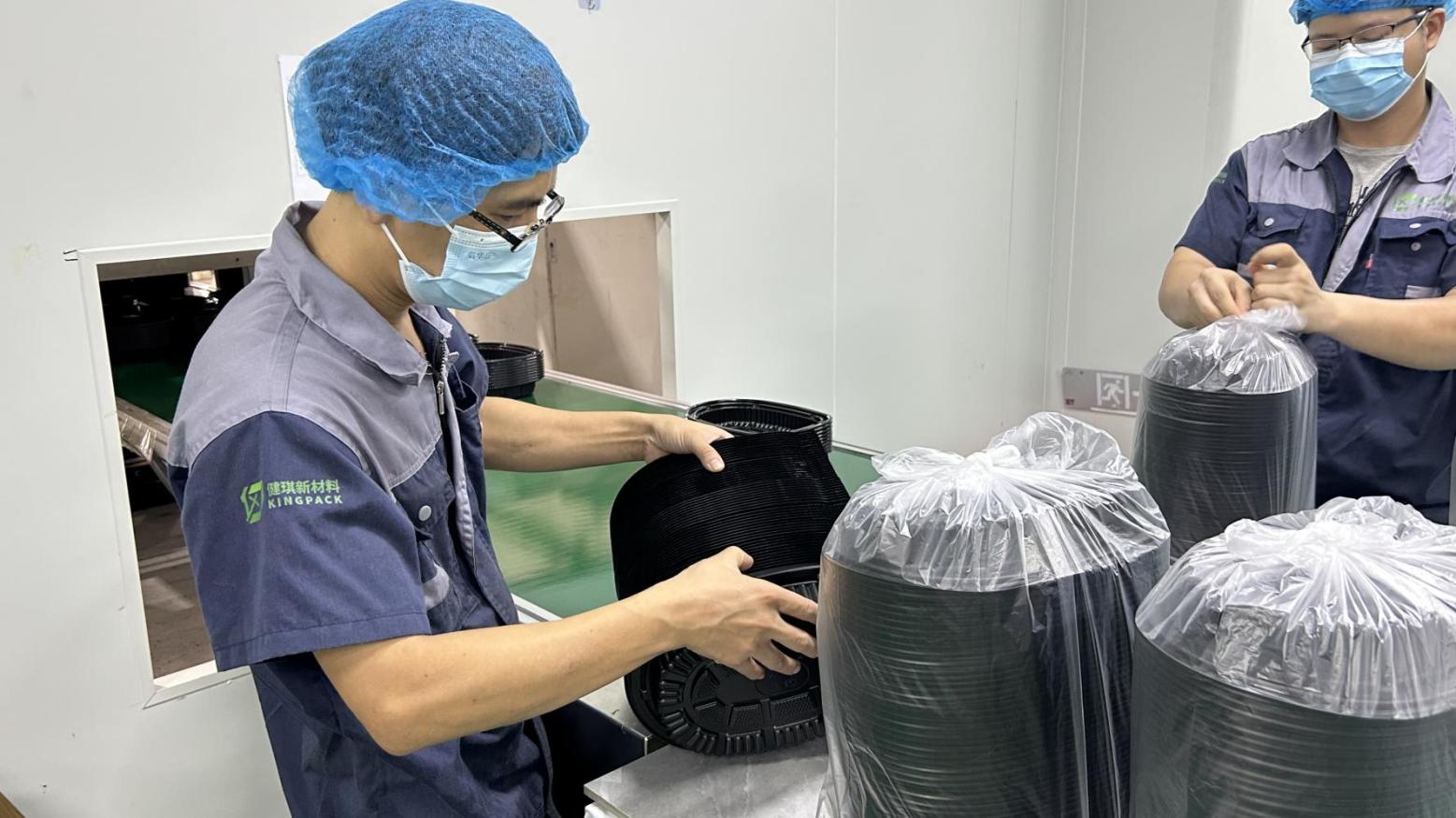
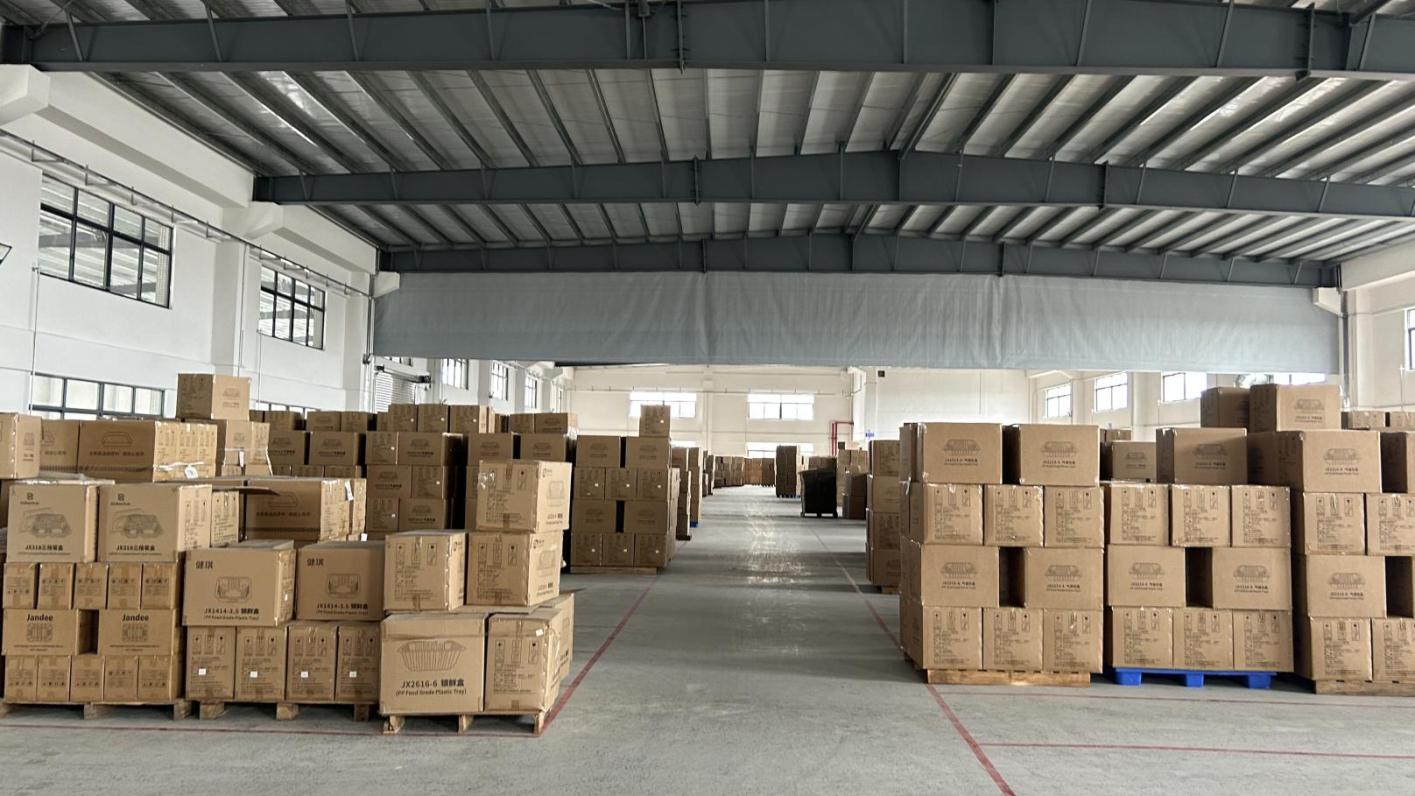
The manufacturing ecosystem for a disposable plastic packaging tray is moving away from low-efficiency hydraulic forming toward servo-driven, high-speed multi-station thermoforming integrated with inline vision inspection. These technical developments address three core industry vectors:
1. Multi-Station Servo Thermoforming with In-Mold Trimming
Traditional secondary punch trimming often creates microscopic burrs and flaking along the rim flange, causing film-seal failures under high pressure. Modern plants utilize third-generation continuous web thermoforming machines where forming, cutting, and stacking occur in a single synchronized cycle. In-mold trimming ensures pristine, burr-free flange perimeters essential for airtight modified atmosphere packaging (MAP) and skin packaging (VSP).
2. Micro-Atmosphere Oxygen & Moisture Barrier Formulations
Fresh chilled proteins and ready meals demand Oxygen Transmission Rates (OTR) of less than 0.5 cm³/m²·24h·0.1MPa to maintain red meat oxymyoglobin color and prevent microbial spoilage without artificial preservatives. The co-extrusion of PP/EVOH/PP sheet stock creates a 5 to 7-layer polymer matrix where the EVOH barrier core is shielded from ambient moisture by outer hydrophobic polypropylene layers, achieving extended retail shelf-life of 14 to 28 days under chilled storage.
3. Active Anti-Fog and Anti-Condensation Additives
Supermarket consumers demand complete visibility into the freshness of packaged meats, salads, and fruits. Internal moisture condensation can obscure products and accelerate bacterial decay. Advanced packaging trays now incorporate internal hydrophilic masterbatch formulations that lower the contact angle of water droplets, forcing condensation into a transparent, micro-thin continuous water sheet that maintains optical transparency inside retail display chillers.